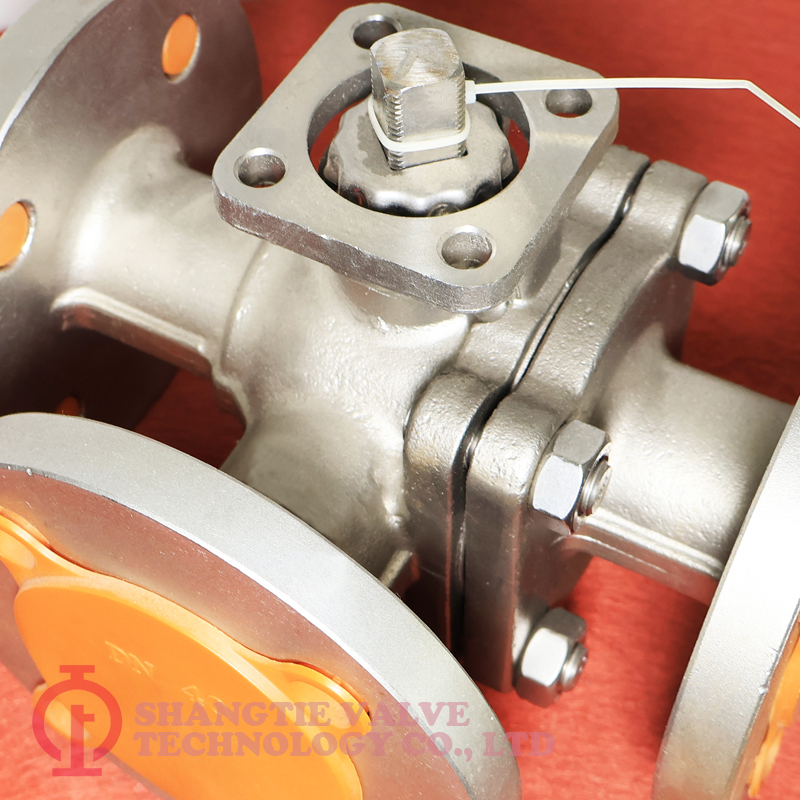
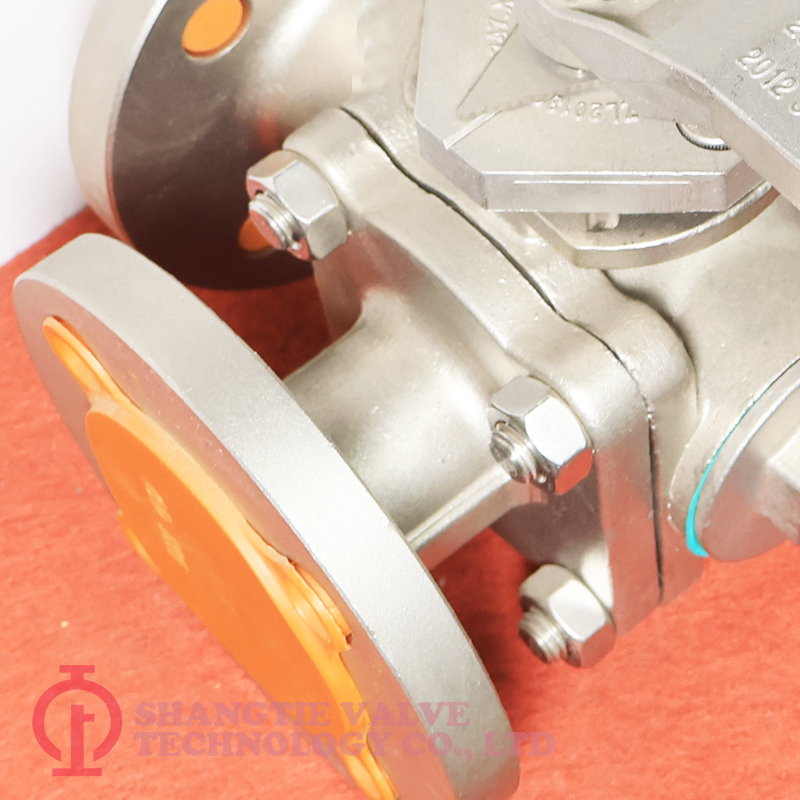
Structural Integrity and Material Excellence
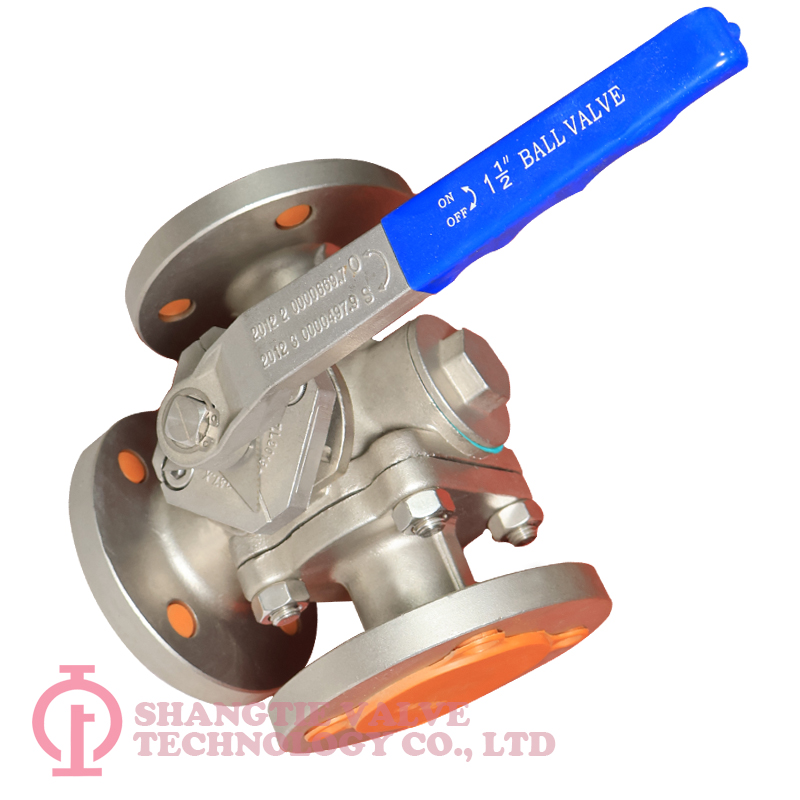
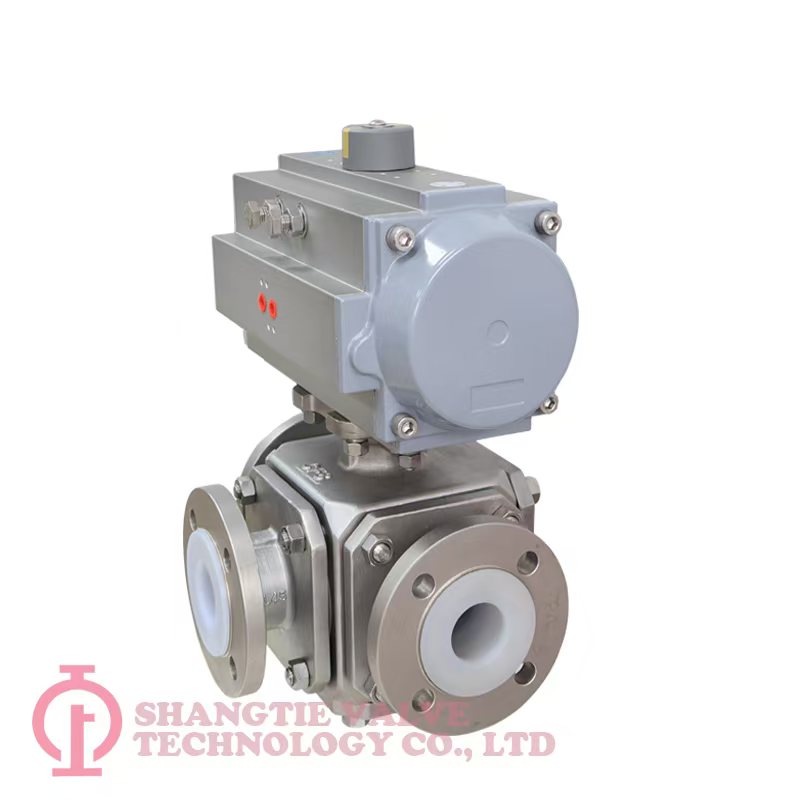
This valve is manufactured from high-quality stainless steel, such as CF8 (SS304) or CF8M (SS316), ensuring robust corrosion resistance, strength, and durability. Stainless steel construction provides exceptional resistance to rust, chemical degradation, and high-temperature deformation, making the valve suitable for a wide range of fluid types and service conditions.
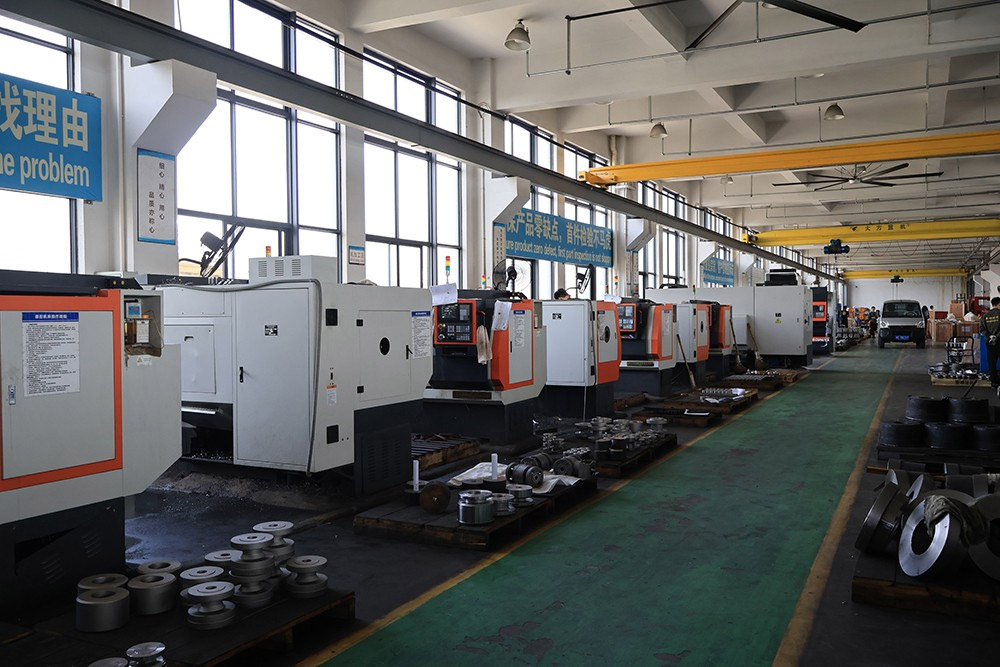
All wetted and pressure-retaining parts are precisely machined to tight tolerances. The valve body and ball are designed to resist pressure fluctuations and minimize wear during operation, ensuring minimal maintenance and extended service life.
Three-Way Flow Design
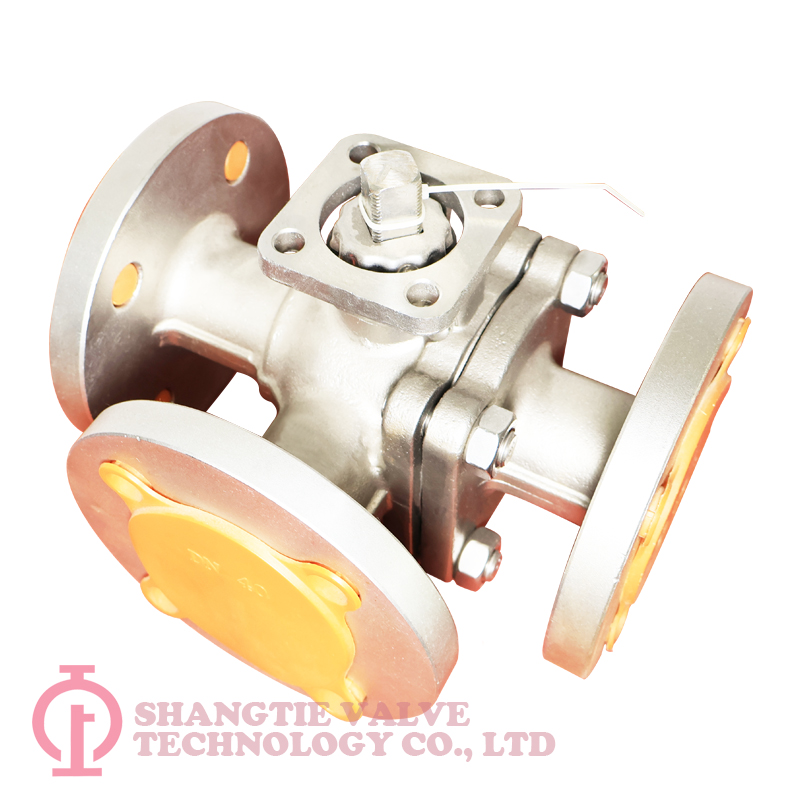
The defining feature of this ball valve is its three-way flow path, enabling fluid to be routed in multiple directions within a single valve body. The valve is typically available in two internal port configurations:
The internal ball is precision-drilled to create these flow paths, and its design enables flexible routing of media through the valve body without the need for additional fittings or pipe alterations.
Fanged End Connection
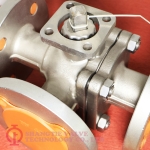
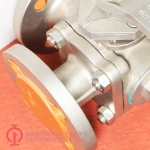
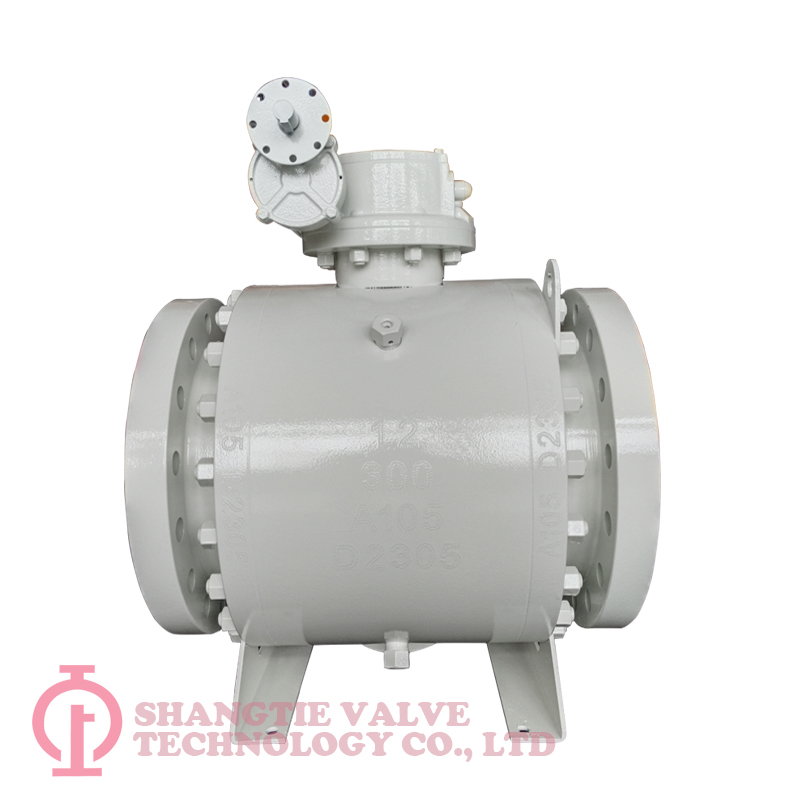
The valve is equipped with flanged end connections, in accordance with ASME B16.5 or DIN EN 1092-1 standards. These flanges provide secure, leak-tight connections with pipelines, enhancing structural stability and simplifying installation and removal. Flanged ends also allow for quick access during maintenance and easy replacement during system upgrades.
The flange dimensions, bolt hole patterns, and face finishes are standardized, ensuring compatibility with a broad range of pipeline components.
Manual Operation Mechanism
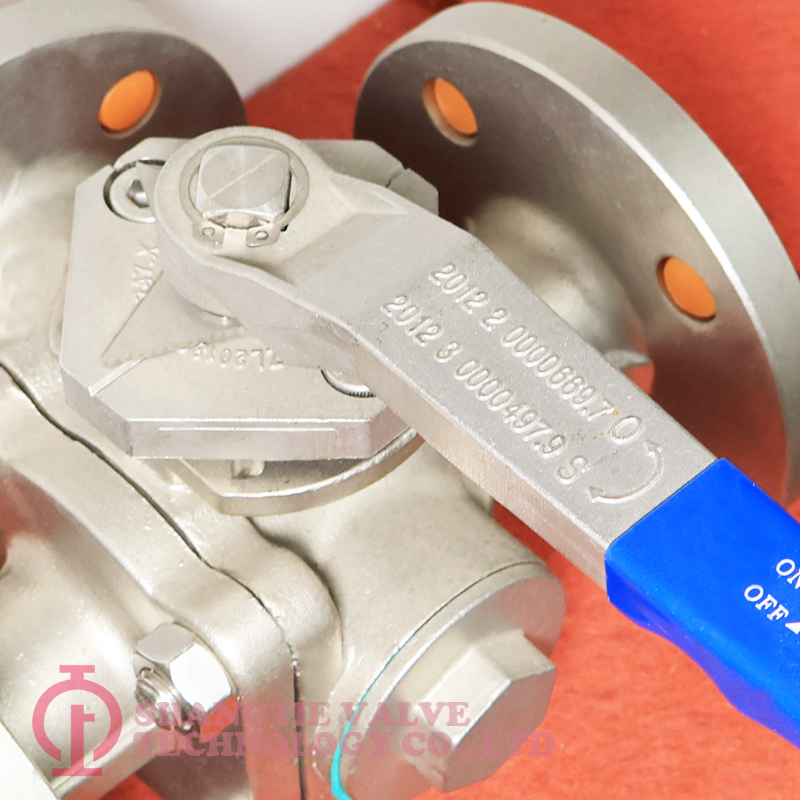
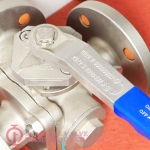
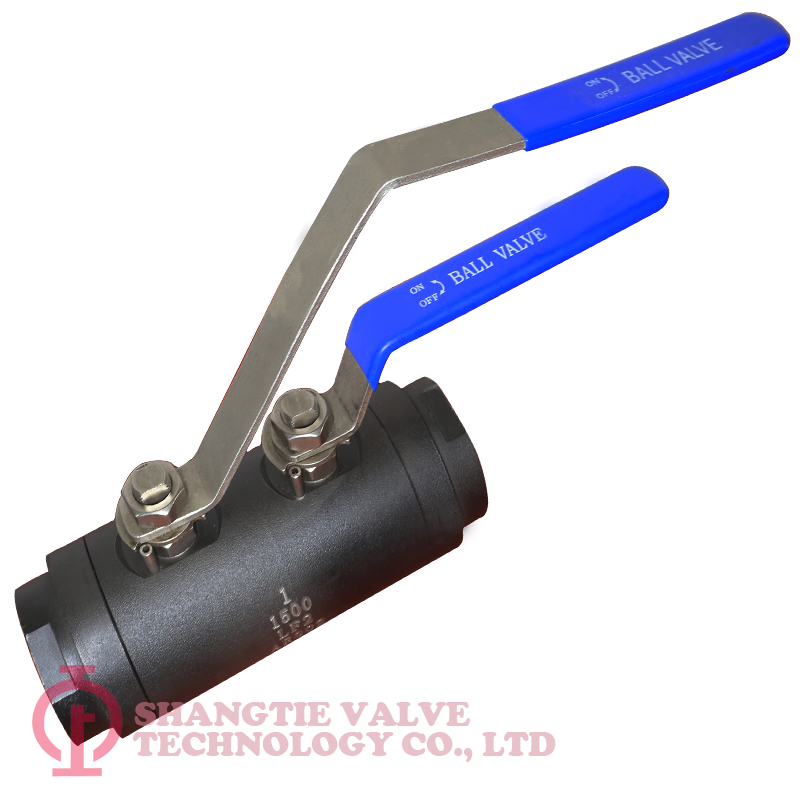
This 3-way valve features a manual operation system using a quarter-turn handle. The handle is ergonomically designed for ease of use and can be operated with minimal torque. It offers quick and precise control over fluid direction, with a clear indicator showing the position of the internal ball.
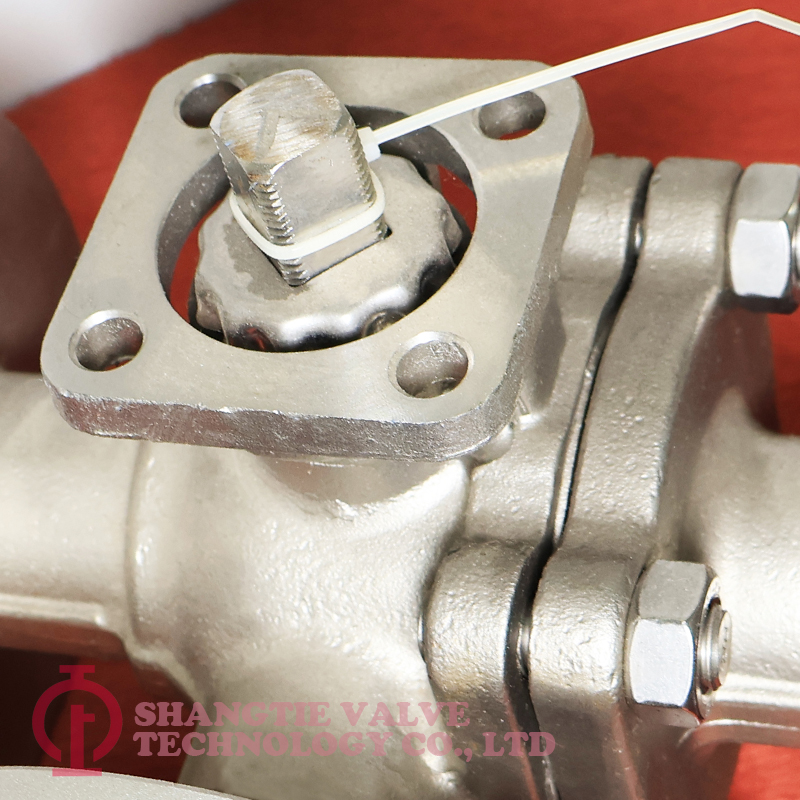
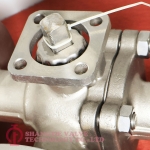
The handle may include a lockable device for safety and operational security. For additional control flexibility, the valve can be modified with an ISO 5211 mounting pad, enabling the installation of electric or pneumatic actuators as needed.
Sealing and Tight Shut-Off Performance
This valve is designed for bubble-tight shut-off under a wide range of pressures and temperatures. The floating ball design uses resilient seat materials such as PTFE, RPTFE, or PEEK, which ensure excellent sealing performance with low operational torque. The soft-seated design minimizes wear and enables reliable operation even in low-pressure or non-lubricating media environments.
The valve stem includes anti-blowout features and is equipped with dual seals—typically an O-ring and V-ring packing combination. This design ensures zero leakage through the stem and enhances operational safety under pressure.
Additional features such as anti-static devices and optional fire-safe designs can be incorporated, depending on the specific operational requirements.
Key Technical Specifications
Design Standard: API 608 / API 6D (model-dependent)
Size Range: ½” to 12” (DN15 to DN300)
Pressure Ratings: Class 150, 300, 600 / PN16, PN25, PN40
Body Material: ASTM A351 CF8 / CF8M
Ball and Stem Material: Stainless steel (same or higher grade as body)
Seat Options: PTFE, RPTFE, PEEK, or metal
Temperature Range: -29°C to +200°C (varies by seat material)
Operation: Manual with locking handle
Connection Type: Flanged, raised face (RF) or flat face (FF)
Port Configuration: Full port / Reduced port, L-port / T-port
Stem Design: Blowout-proof, anti-static, double-sealed
Design Features and Benefits
Three-Way Versatility
The ability to direct flow between three ports in multiple configurations within a single valve body simplifies pipeline layouts and reduces system complexity.
High Corrosion Resistance
Stainless steel components offer superior resistance to oxidation, pitting, and chemical attack, extending the valve’s working life even in aggressive environments.
Precision Machining
Tight dimensional tolerances ensure smooth operation, minimal friction, and reliable sealing. The ball surface is mirror-finished for optimal contact with the seats.
Full Bore Flow (Optional)
Full bore design minimizes pressure drop and eliminates flow restrictions, maintaining pipeline efficiency and allowing easy pigging or cleaning.
Ease of Installation and Maintenance
Flanged ends allow for quick removal and reinstallation, reducing downtime during system servicing. The valve’s design allows easy access to internal parts for repair or replacement.
Safe and Secure Operation
Features like blowout-proof stem, anti-static device, and optional fire-safe design enhance overall safety during pressurized operation or in emergency conditions.
Customizable Options
Users can select from a variety of body and seat materials, handle types, stem extensions, and mounting accessories to tailor the valve to their specific requirements.
Quality Assurance and Compliance
Every API Standard 3-Way Ball Valve undergoes strict quality control procedures including pressure testing, material certification, dimensional inspection, and visual checks. Each unit is tested for sealing performance and structural integrity in accordance with relevant API standards. Quality assurance ensures that every valve delivered meets or exceeds the customer’s performance expectations.
Flanged Connection Design
The flanged ends conform to ASME B16.5 or DIN EN 1092-1 standards, offering secure and standardized pipe connections. These flanges are available in raised face (RF) or flat face (FF) types, depending on the sealing requirements of the pipeline. Bolting compatibility is ensured through precise hole spacing and face finish quality.
Flanged connections simplify installation, allow for easier disassembly during maintenance or inspections, and provide excellent mechanical stability under operating pressure.
Manual Operation and Handling
The valve operates through a quarter-turn manual handle, providing intuitive and fast switching between flow paths. The handle is constructed from stainless steel or coated carbon steel and is typically lockable for operational security. The position of the handle aligns with the flow path for easy visual identification of flow direction.
For added flexibility, the valve can be equipped with an ISO 5211 mounting pad, allowing for direct installation of pneumatic or electric actuators if future automation is required. The transition from manual to automated operation is simple and does not require additional machining or modifications.