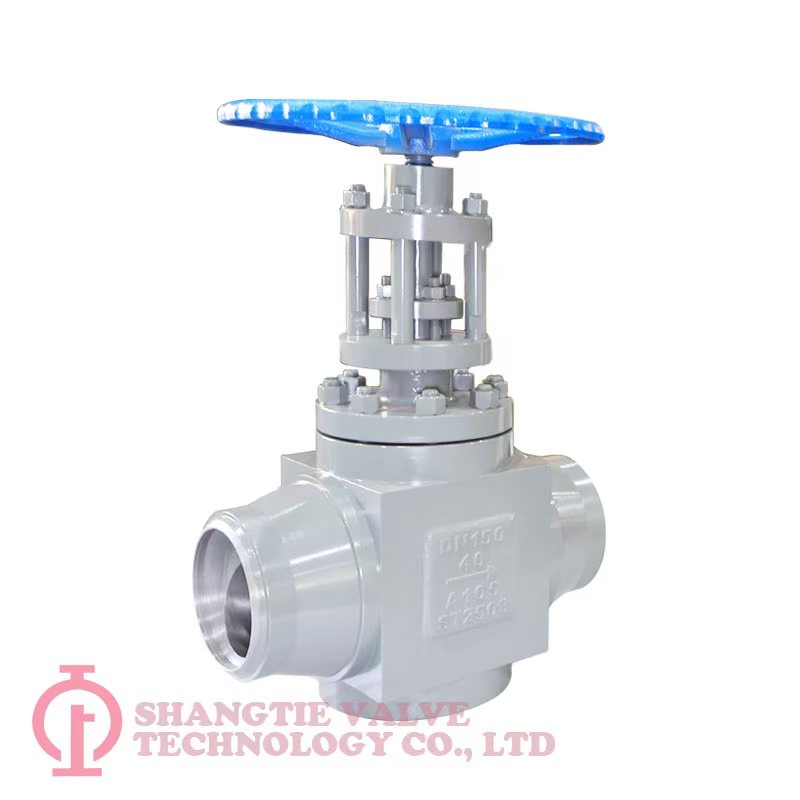
Introduction to Globe Valves
Globe valves are a type of linear motion valve. These valves are characterized by a spherical body shape with an internal baffle (the "globe"), which directs the fluid flow through a particular path. Globe valves are commonly used for regulating flow, as they offer precise control over the flow rate.
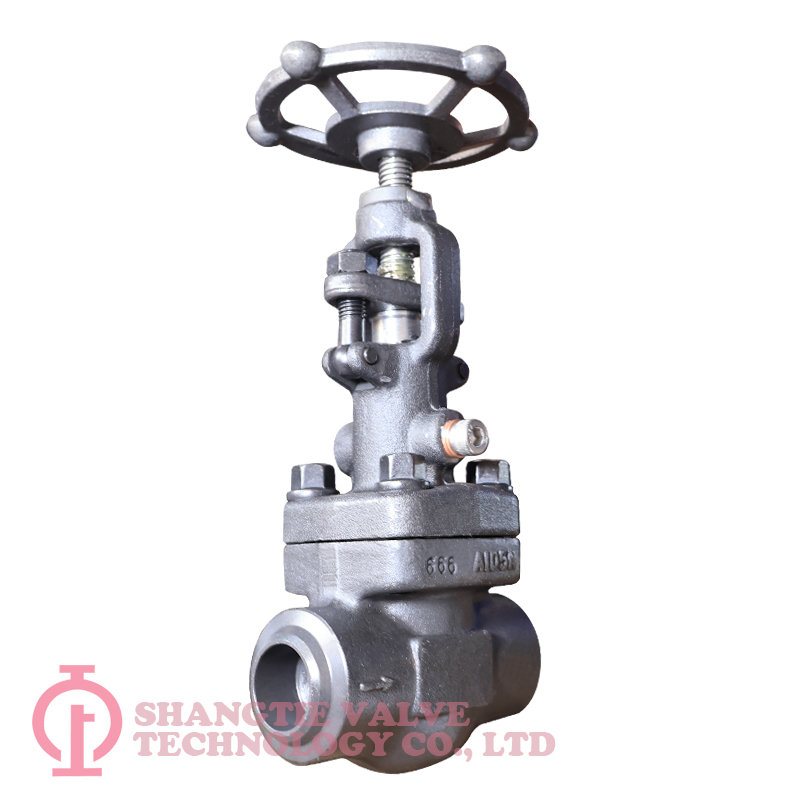
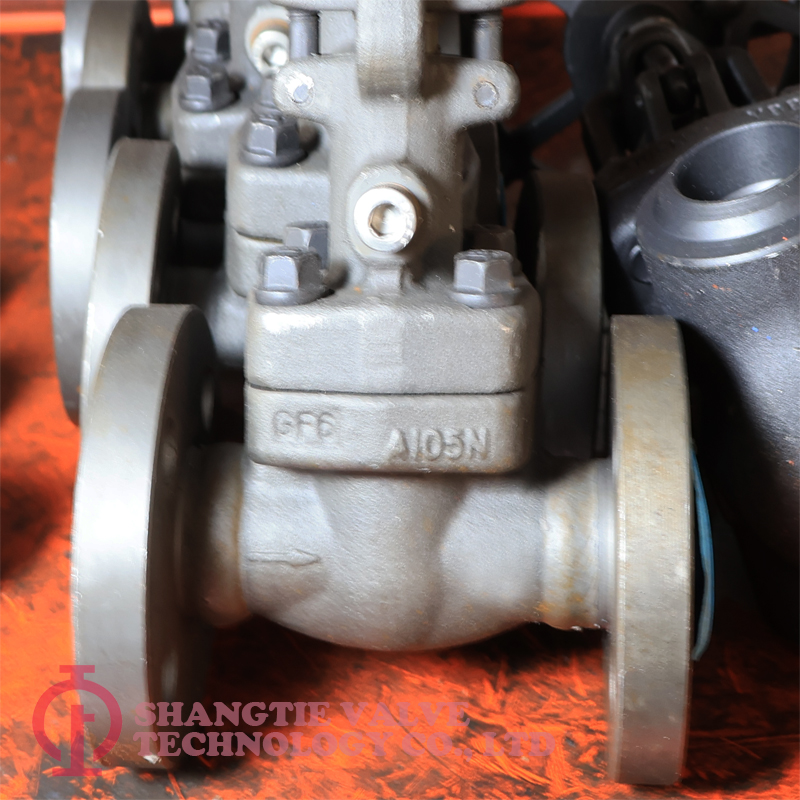
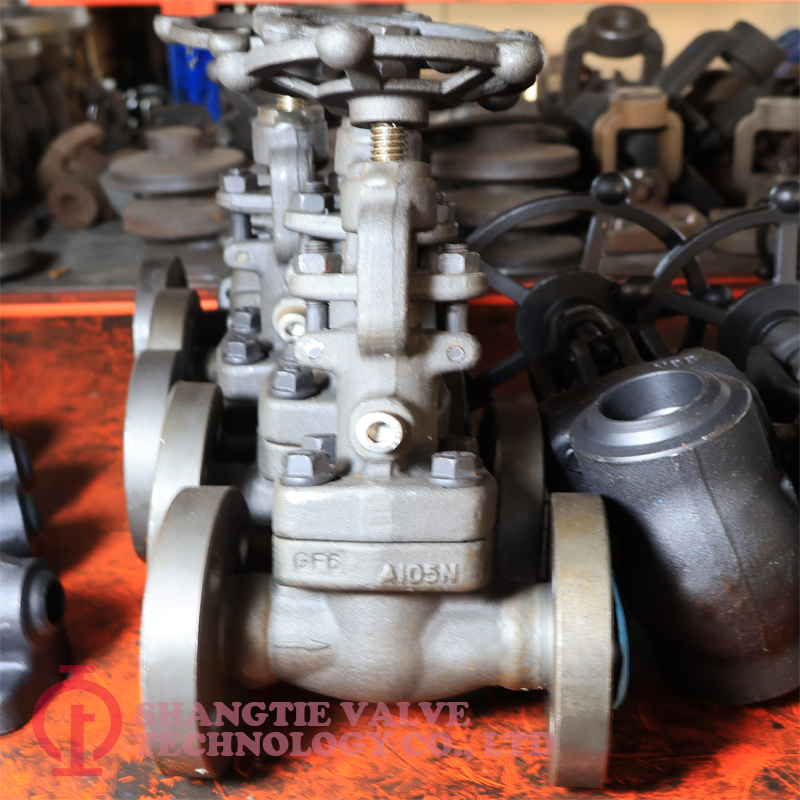
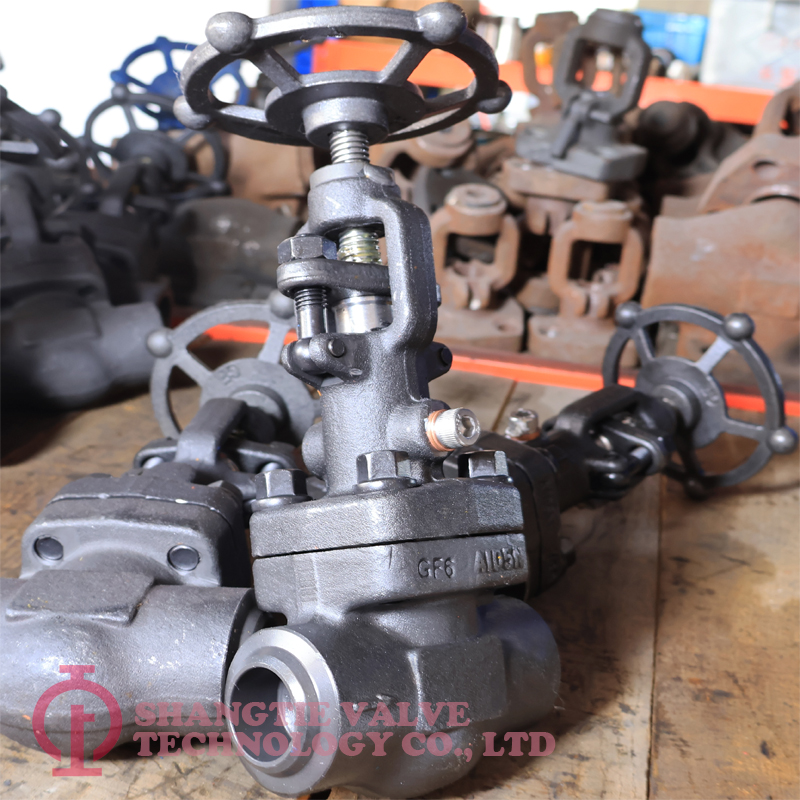
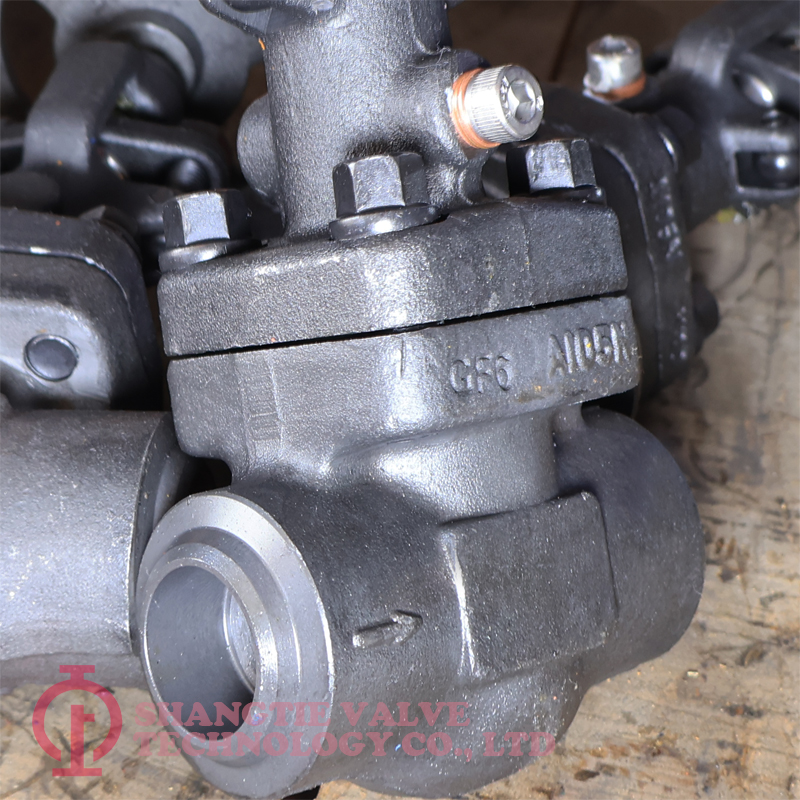
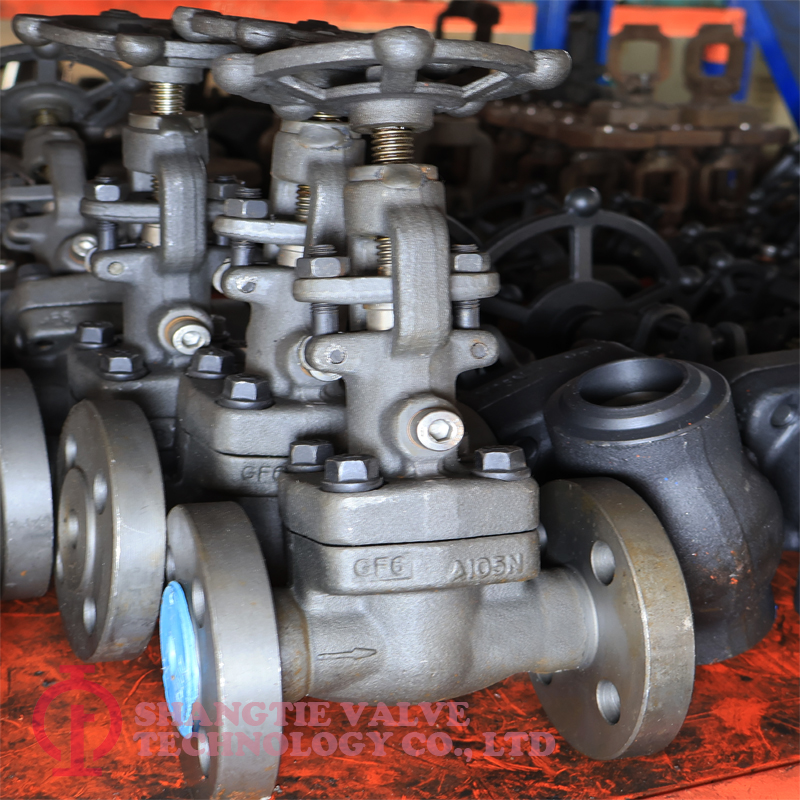
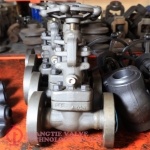
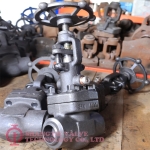
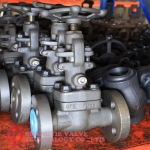
The A105N Forged Steel Vacuum Globe Valve is specifically engineered to withstand the rigorous conditions of vacuum systems. This valve combines robust material properties, precision engineering, and specialized design features to ensure optimal performance under challenging operational conditions.
Understanding A105N Forged Steel
The "A105N" designation refers to a specific grade of carbon steel. The A105N grade is a standard used in the manufacturing of forged steel valves. This material is known for its excellent strength, durability, and resistance to high temperatures, making it suitable for use in various industrial applications, including vacuum systems. Here’s a closer look at the characteristics of A105N forged steel:
Material Composition: A105N steel is primarily composed of carbon, with smaller amounts of manganese, phosphorus, sulfur, and silicon. The steel is alloyed to improve its mechanical properties, such as yield strength and hardness.
Forging Process: The forging process used to manufacture A105N steel components enhances the grain structure of the material, making it stronger and more resistant to cracking, wear, and fatigue. Forging also improves the valve's ability to withstand thermal stresses and the mechanical forces encountered during operation.
High-Temperature Resistance: A105N forged steel is designed to perform effectively under high temperatures (up to 400°C/752°F), which is particularly important in vacuum systems that may experience fluctuations in temperature.
Durability and Resistance to Fatigue: A105N's mechanical properties enable it to perform well in systems where the valve must endure repeated pressure changes, such as in vacuum applications, where the system's pressures can fluctuate significantly.
The Role of Vacuum Globe Valves in Industrial Applications
Vacuum globe valves are typically used in situations where precise control of pressure and flow is essential. They are an integral part of vacuum systems, which are employed in industries such as:
Semiconductor Manufacturing: Vacuum systems are crucial in semiconductor fabrication for processes like chemical vapor deposition (CVD), ion implantation, and thin-film deposition. The globe valve regulates the flow of gases or vacuum within these systems to ensure that the processes take place under controlled pressure conditions.
Pharmaceuticals and Biotech: Vacuum systems are commonly used in the pharmaceutical industry for processes such as freeze-drying, distillation, and solvent removal. The vacuum globe valve is used to regulate the pressure and flow of fluids in these sensitive operations.
Chemical Processing: In chemical reactors, vacuum valves control the atmosphere within the reactor vessel to facilitate specific reactions under controlled pressure. Vacuum globe valves can also be used to maintain a desired vacuum level in piping systems to prevent leaks and contamination.
Food and Beverage: Certain food and beverage processing methods, such as vacuum packaging and distillation, require vacuum systems. Globe valves help maintain the vacuum pressure during these processes.
Design and Functionality of the A105N Forged Steel Vacuum Globe Valve
The A105N Forged Steel Vacuum Globe Valve is specifically designed to provide reliable performance in vacuum applications. Some of the key features that define the functionality and design of this valve include:
a. Valve Body Design
The body of the A105N globe valve typically has a spherical shape with an internal baffle or disc (globe) that regulates the flow. The design allows for a relatively straightforward modification of the flow rate, and the construction of the valve body in forged steel ensures that the valve can withstand both mechanical and environmental stress, ensuring longevity and reliability in high-performance systems.
b. Trim Components
The trim components of the valve, including the disc, stem, and seat, are typically made of high-quality materials that are designed for durability. These parts are engineered to prevent leakage, even under the extreme conditions of a vacuum system. The forged steel valve trim provides higher resistance to wear, especially when operating under conditions involving fluctuating vacuum levels.
c. Vacuum Seals
Vacuum systems require precise sealing to ensure that there are no leaks. The sealing components of the A105N forged steel vacuum globe valve are designed with high-quality materials, such as PTFE or other elastomers, that offer exceptional sealing performance in vacuum environments. This feature helps maintain the integrity of the system and prevents any potential loss of vacuum pressure.
d. Flow Control
Vacuum globe valves are highly effective in regulating the flow of gases or liquids within a system. The A105N globe valve's internal disc can be adjusted to varying degrees, enabling fine control over the flow rate. The flow control is crucial for maintaining stable vacuum pressure, which is essential in processes like evaporation, distillation, and sublimation.
e. Pressure and Temperature Resistance
Given that vacuum systems may experience both high and low pressures, the A105N forged steel globe valve is designed to perform well in systems with high-pressure differentials. The valve can also function within a wide temperature range, providing operational flexibility in various conditions.
Key Advantages of the A105N Forged Steel Vacuum Globe Valve
a. Durability
The primary advantage of using A105N forged steel for the construction of a vacuum globe valve is its durability. The forging process enhances the material's grain structure, providing resistance to stress and wear. This durability ensures that the valve will function effectively for extended periods without needing frequent replacements or repairs.
b. Resistance to High Pressures and Temperatures
The high tensile strength of A105N steel ensures that the valve can handle the extreme pressures and temperatures that might be encountered in vacuum systems. The valve’s components are designed to prevent leaks and maintain optimal sealing performance.
c. Enhanced Flow Control
The globe valve’s design allows for precise flow regulation. This is essential in vacuum applications where the flow of gases or liquids must be controlled meticulously. By adjusting the position of the valve's disc, operators can fine-tune the system to achieve the desired vacuum level.
d. Versatility
The A105N forged steel vacuum globe valve is versatile and can be adapted for use in various industries. Whether it's for controlling flow in a chemical plant, regulating pressure in a vacuum packaging system, or managing gas flow in semiconductor manufacturing, this valve can be used in a wide range of industrial applications.
e. Ease of Maintenance
Globe valves, including those made from A105N forged steel, are designed for easy disassembly and maintenance. The ability to replace or refurbish internal components (such as seals and seats) without completely dismantling the valve ensures minimal downtime and operational continuity.
Applications of DIN Standard Forged Steel Globe Valves
Forged steel vacuum globe valves are integral components in industrial systems that require precise control over the flow of liquids, gases, or other substances, particularly in environments that involve vacuum or low-pressure conditions. These valves are made from high-strength forged steel, which provides excellent durability, resistance to wear, and ability to withstand high temperatures and pressures. Their design, typically featuring a spherical body and a linear motion mechanism, allows for accurate flow regulation, making them ideal for a variety of critical applications. Below, we explore some of the key industries and systems that rely on forged steel vacuum globe valves.
1. Semiconductor Manufacturing
In the semiconductor industry, vacuum systems are vital for creating ultra-clean environments and precise control over chemical processes, such as chemical vapor deposition (CVD), etching, and ion implantation. The vacuum pressure must be maintained consistently to ensure the quality and integrity of the semiconductor components.
Forged steel vacuum globe valves are used to regulate the flow of gases or control pressure within these vacuum systems. Their ability to function effectively in high-precision, low-pressure environments makes them ideal for controlling vacuum levels during processes that require tight tolerances. These valves prevent contamination and leakage, maintaining the desired atmosphere during fabrication steps, such as:
Chemical Vapor Deposition (CVD): CVD is used to deposit thin films onto semiconductor wafers. The process requires precise control of gases and pressures, making vacuum globe valves essential for maintaining proper flow and pressure within the reactor chambers.
Plasma Etching: Etching is a process in which plasma is used to etch circuit patterns onto a wafer. Vacuum globe valves help maintain the vacuum level in etching chambers to ensure a consistent, stable process.
2. Pharmaceutical Industry
In pharmaceutical manufacturing, vacuum systems are often used for a variety of processes, such as freeze-drying (lyophilization), solvent removal, and distillation. These processes require high levels of control over pressure and flow to ensure that the final product is safe, sterile, and of high quality.
Forged steel vacuum globe valves are critical in pharmaceutical applications due to their ability to withstand the high demands of vacuum systems, where temperature fluctuations, corrosion, and abrasive chemicals may be encountered. The precise flow control that these valves offer is essential for:
Lyophilization (Freeze-Drying): This is a critical process in which moisture is removed from products by freezing them and then reducing the surrounding pressure to allow sublimation. Vacuum globe valves help regulate the vacuum pressure in the freeze-drying chamber, ensuring that the product retains its integrity and effectiveness.
Solvent Recovery: Many pharmaceutical processes involve the use of solvents that need to be removed under vacuum conditions. The vacuum globe valve regulates the flow and pressure of gases involved in the solvent removal process, ensuring efficient and safe recovery.
3. Chemical Processing
Chemical reactors often require specific atmospheric conditions, including controlled pressure and vacuum, to ensure that chemical reactions proceed as desired. In the chemical processing industry, vacuum globe valves are used to regulate the flow of chemicals, gases, and vapors, helping to maintain optimal conditions inside reactors and prevent leaks that could lead to contamination or safety hazards.
Forged steel vacuum globe valves are preferred in this industry because of their ability to withstand the aggressive chemicals and high pressures often encountered. Some of the primary applications include:
Reactor Pressure Control: In chemical reactors, maintaining the correct pressure is essential for controlling reaction rates. Vacuum globe valves regulate the pressure inside the reactors, preventing over-pressurization or inadequate vacuum levels.
Distillation: In distillation processes, particularly in the production of solvents or high-purity chemicals, vacuum systems are often used to lower the boiling point of liquids. The vacuum globe valve regulates the flow of gases and liquids, ensuring the desired separation of components.
Vacuum Filtration: In chemical separation processes, vacuum filtration systems are used to remove solid particles from liquids or gases. The globe valve controls the vacuum pressure in the filtration system, ensuring that the filtration process is efficient and prevents clogging.
4. Food and Beverage Industry
Vacuum systems are increasingly used in food processing, particularly for processes such as vacuum packaging, dehydration, and distillation. Maintaining a precise vacuum level ensures that food products are preserved, processed, or packaged under ideal conditions. For example, vacuum packaging extends shelf life by removing air, which inhibits the growth of bacteria.
Forged steel vacuum globe valves are used in several key applications within the food and beverage industry:
Vacuum Packaging: Vacuum packaging systems rely on maintaining a steady vacuum pressure to remove air and seal food products effectively. Vacuum globe valves are crucial in these systems for regulating the vacuum pressure during the packaging process.
Dehydration: In food dehydration, vacuum systems help lower the boiling point of water to speed up the drying process. Vacuum globe valves regulate the vacuum levels during this process, ensuring uniform dehydration and product quality.
Alcohol Distillation: In the production of spirits, such as whiskey or vodka, vacuum distillation is sometimes used to separate volatile compounds under lower temperatures. The vacuum globe valve regulates the flow of steam and condensates in the distillation column.
5. Aerospace Industry
The aerospace industry also uses vacuum systems for various purposes, including testing and manufacturing of spacecraft, satellites, and components. Vacuum chambers are essential in simulating the low-pressure environments of space to test the durability and performance of materials and equipment.
Forged steel vacuum globe valves are integral in controlling vacuum pressure within these testing environments. The valves ensure that the vacuum chambers maintain the proper pressure levels during tests, such as:
Spacecraft and Satellite Testing: In the aerospace sector, vacuum chambers are used to test spacecraft components under conditions that mimic the vacuum of space. The globe valve regulates the pressure within the chamber, ensuring the test conditions are stable and accurate.
Material Testing: High-performance materials used in aerospace applications must be tested under vacuum conditions to ensure their suitability for spaceflight. Forged steel vacuum globe valves are used to maintain the vacuum pressure within testing chambers.
6. Vacuum Pumps and Systems
Vacuum pumps are a critical part of many industrial systems, and the proper functioning of these pumps depends on effective control of the vacuum pressure. Vacuum globe valves are used in conjunction with vacuum pumps to regulate flow, isolate systems, and prevent backflow. These valves help ensure that the vacuum systems operate at the correct pressure levels, which is crucial for maintaining efficiency and safety in operations.
7. Oil and Gas Industry
The oil and gas industry also benefits from vacuum systems in several applications, such as in the refining process, gas recovery, and well testing. Vacuum globe valves are used to maintain precise vacuum conditions in pipelines and reactors to prevent contamination and ensure safe operations.
Forged steel vacuum globe valves are used in the following applications within the oil and gas sector:
Vacuum-Assisted Oil Recovery: In certain oil extraction techniques, vacuum systems are used to aid the recovery of oil from reservoirs. The globe valve regulates the flow of gases and liquids during this process.
Gas Recovery Systems: Vacuum globe valves are used in gas recovery and processing systems to regulate the flow of gases and maintain safe, efficient operations in refineries.