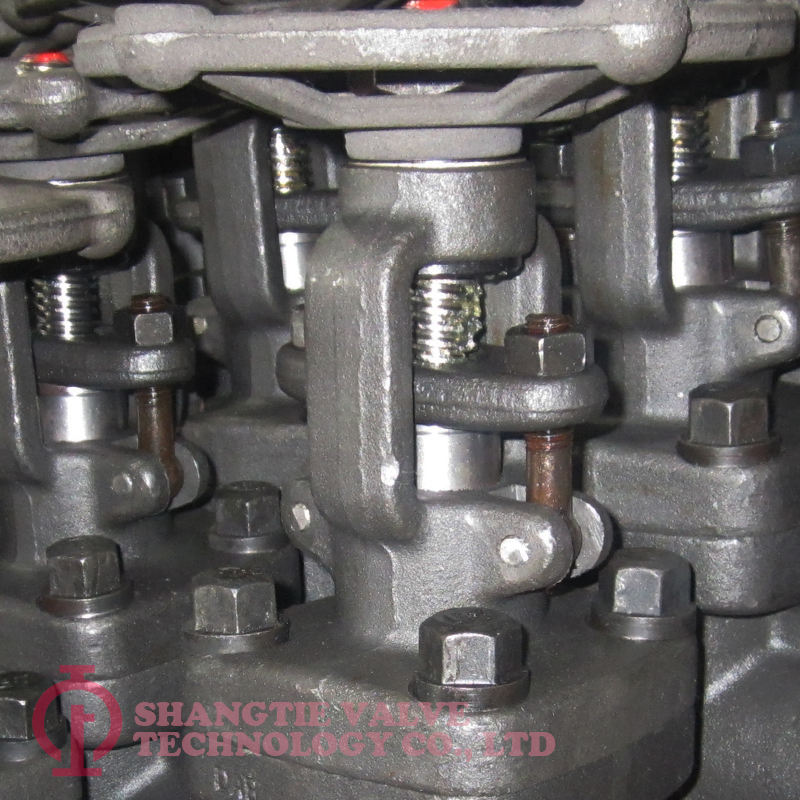
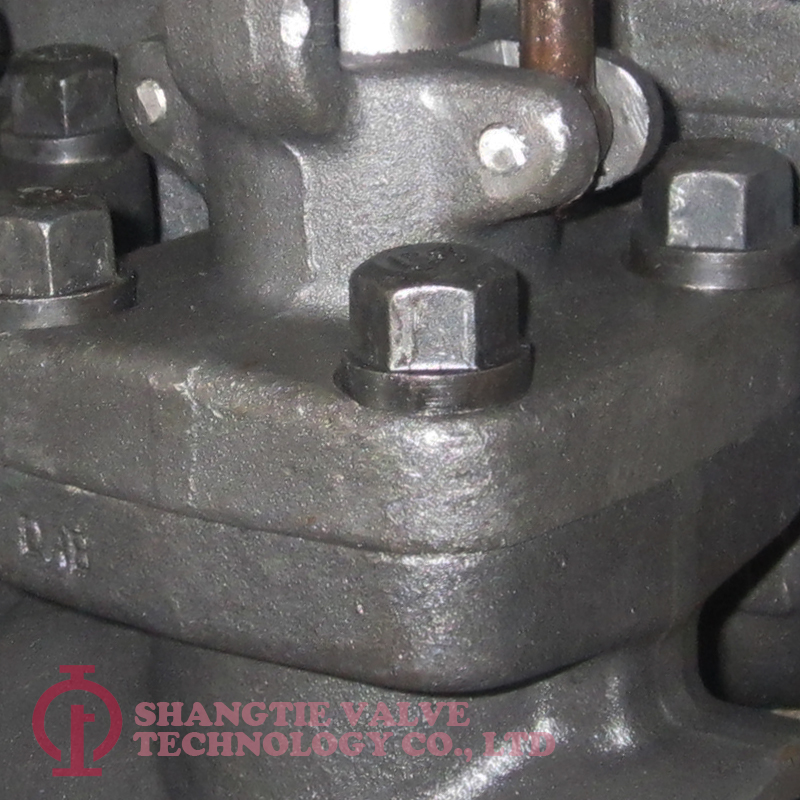
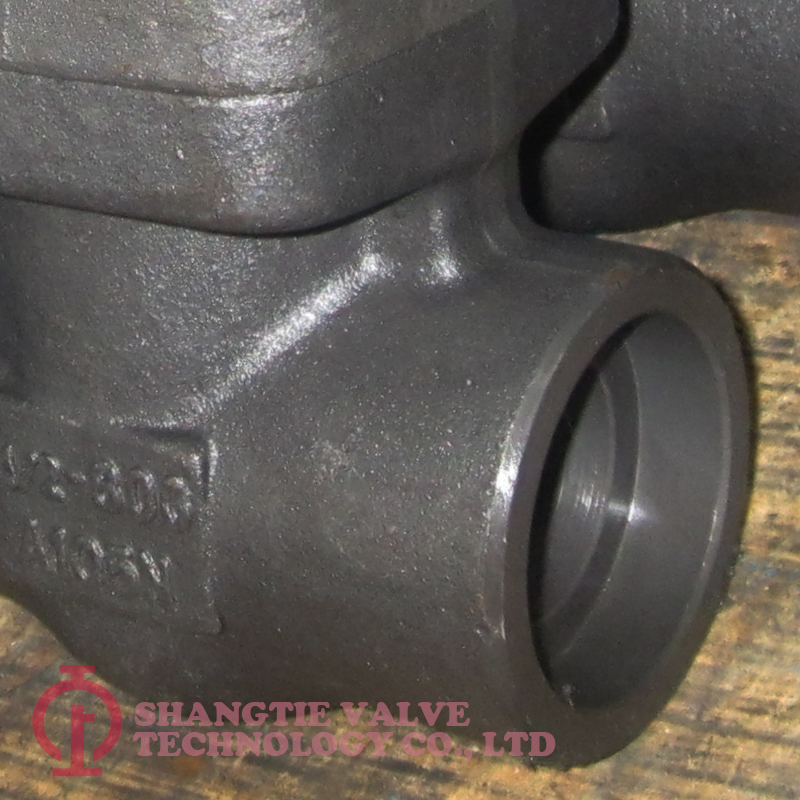
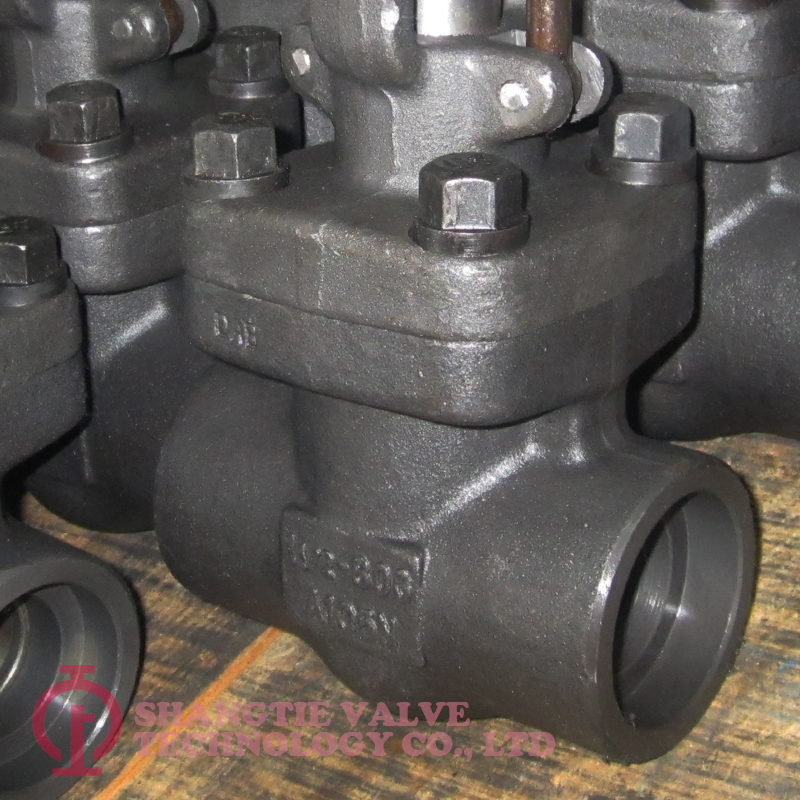
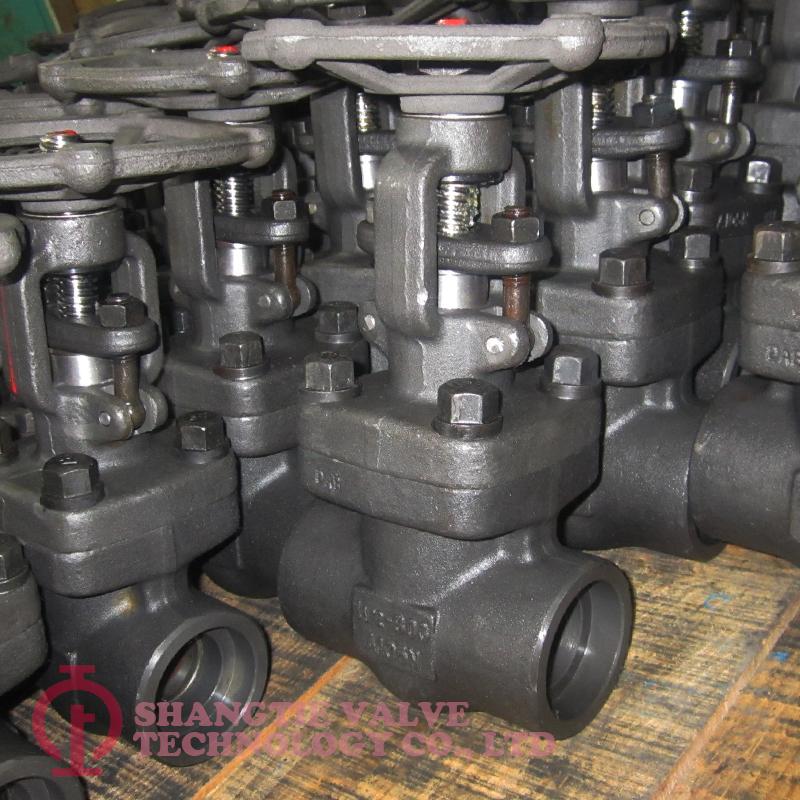
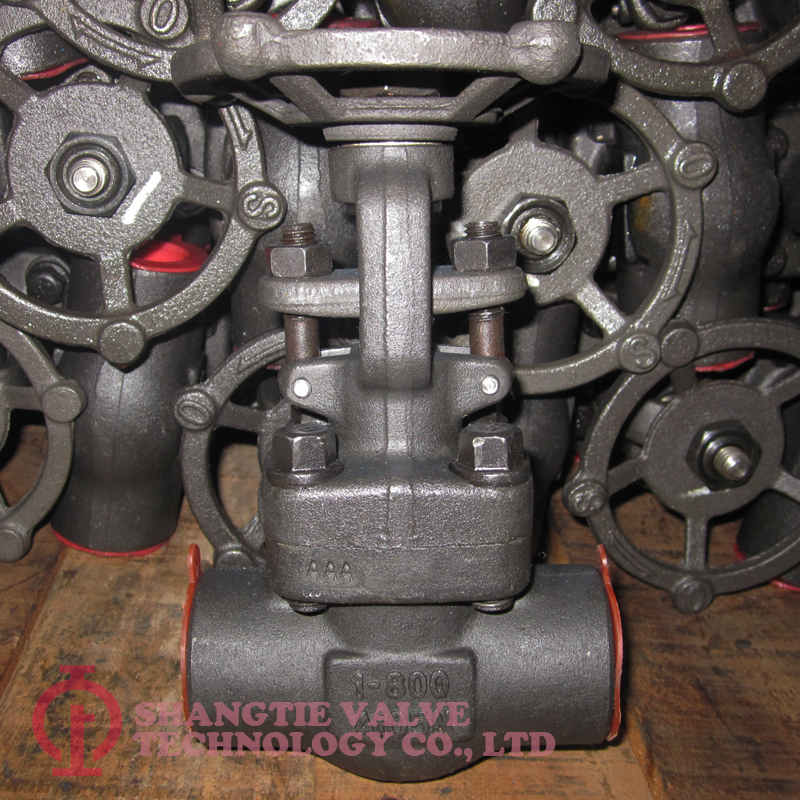
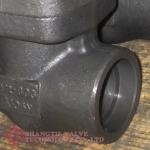
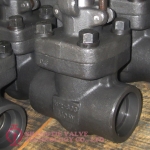
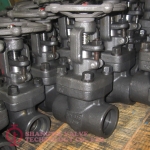
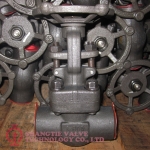
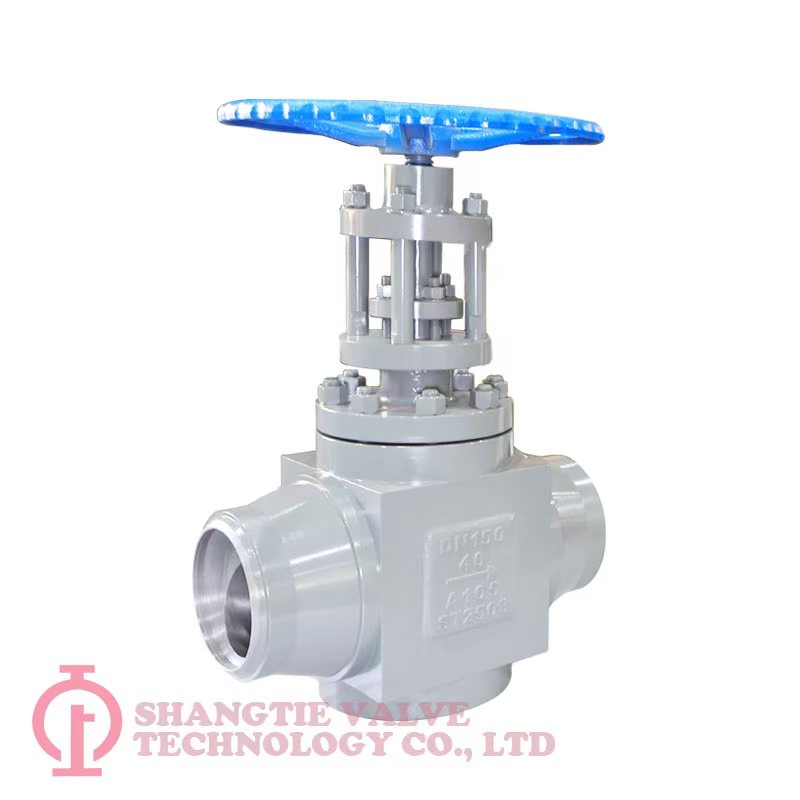
Key Features of the API 602 BB SW 800LB A105N Compact Steel Gate Valve
API 602 Standard Compliance: The API 602 standard provides guidelines for the design, manufacturing, testing, and installation of compact gate valves. A valve built to this specification is engineered to perform efficiently and safely, meeting the industry's highest standards. The API 602 standard is primarily aimed at smaller, compact gate valves, ensuring they are suited for applications where space is limited but high pressure and performance are still essential.
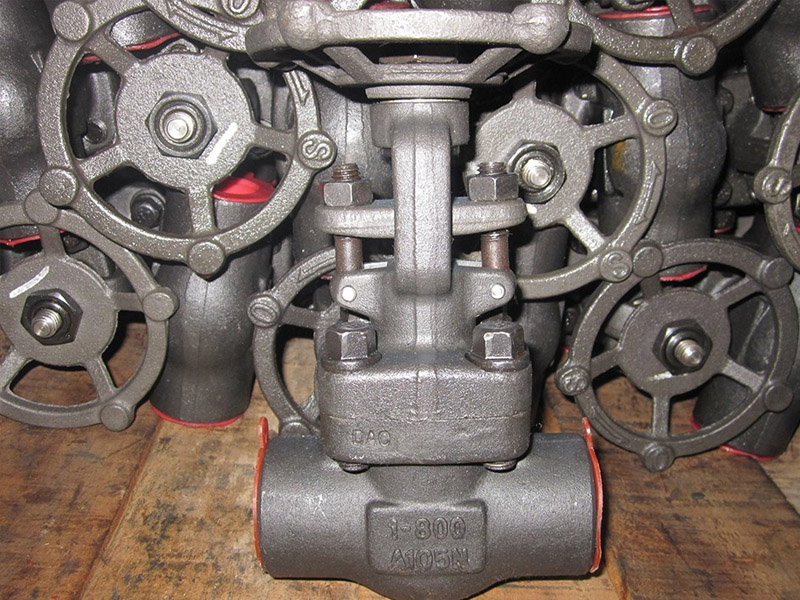
BB (Blowout-Proof) Bonnet Design: The "BB" designation refers to the valve's blowout-proof bonnet design, which enhances the safety and reliability of the valve. This feature ensures that the bonnet is securely fixed and will not be blown out under high-pressure conditions. It is an important safety measure in industries where extreme pressure conditions are common, preventing potential accidents or failures.
SW (Socket Weld) End Connections: The "SW" in the designation indicates socket weld end connections. This means the valve is designed for welding to pipes using a socket weld joint. Socket welding is a strong and leak-tight connection, commonly used in high-pressure applications. This design also simplifies installation and enhances the integrity of the valve-piping system, making it ideal for compact spaces or environments where space constraints might prevent the use of larger, flanged valves.
Pressure Class 800LB: The "800LB" rating indicates that the valve is rated for pressures up to 800 pounds per square inch (psi). This rating means the valve is designed to withstand high-pressure environments, commonly found in critical systems like steam, gas, or liquid transmission pipelines. The 800LB class is particularly suitable for heavy-duty operations in industries such as petrochemical and power generation.
A105N Material: The A105N refers to the material grade of the valve body, which is a carbon steel alloy. ASTM A105N is a specification for carbon steel forged fittings, valves, and flanges for use in pressure systems. The "N" in A105N stands for normalized, meaning the steel has been heat-treated to improve its mechanical properties and relieve internal stresses, which enhances its durability and resistance to cracking. This material is ideal for moderate to high-temperature and high-pressure applications, offering excellent strength and corrosion resistance.
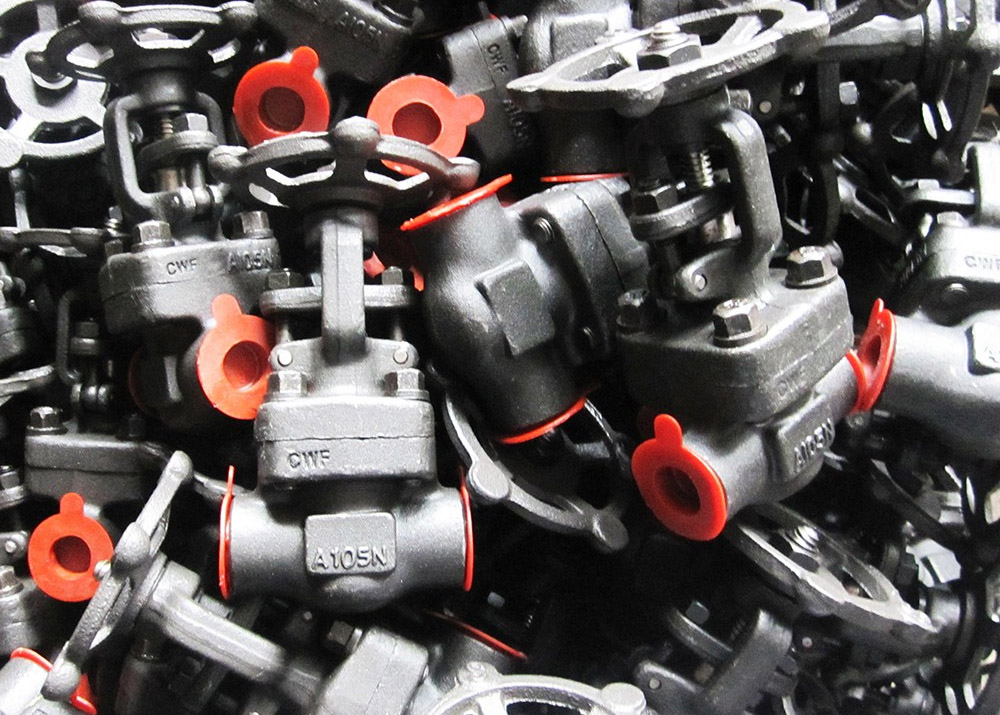
Compact Design: The "compact" aspect of the valve indicates that it has a smaller footprint than traditional valves. This is particularly useful in applications where space is limited or where weight and installation ease are critical factors. Despite the smaller size, these valves do not compromise on performance and are built to handle the same high-pressure conditions as their larger counterparts. The compact design makes it ideal for use in cramped, confined spaces or complex pipe networks.
Gate Valve Mechanism: As a gate valve, the API 602 BB SW 800LB A105N is designed to control the flow of fluid by raising or lowering a gate within the valve body. Gate valves are typically used for on/off or full-flow applications, where throttling control is not a primary requirement. They provide a full, unobstructed flow path when fully open, minimizing the pressure drop across the valve.
Advantages:
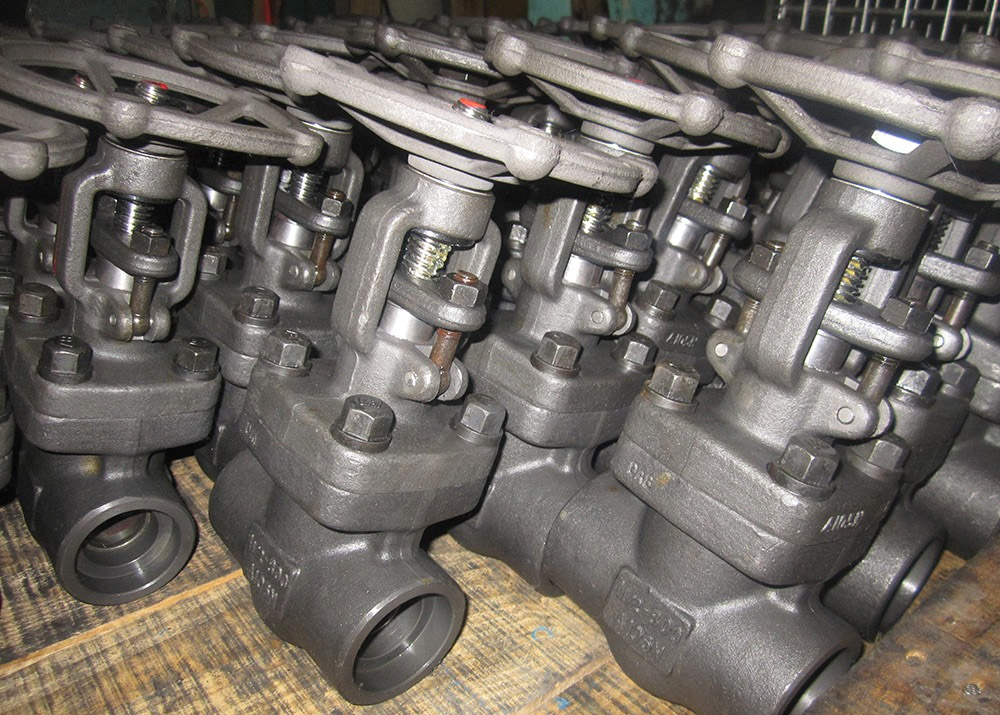
Space-Saving: The compact design ensures that the valve can be installed in tight spaces, reducing installation complexity and cost.
High-Pressure Capability: The 800LB pressure rating allows the valve to function efficiently in high-pressure systems.
Durability: Made from A105N carbon steel, it offers exceptional strength and longevity, even in harsh operating conditions.
Leak Prevention: The socket weld design ensures leak-tight connections, enhancing safety and reliability.
Versatility: Suitable for a wide range of industries, including oil and gas, chemical processing, and power generation.
Maintenance and Longevity: Like all industrial valves, regular maintenance is crucial to ensure the API 602 BB SW 800LB A105N valve operates efficiently over time. Periodic inspections, cleaning, and replacement of seals or other components are necessary to maintain the integrity of the valve, particularly in high-stress environments. With proper care, these valves are built to last for many years, providing consistent, reliable performance.
The API 602 BB SW 800LB A105N Compact Steel Gate Valve is an essential component for high-pressure pipeline systems. Its robust construction, high-pressure tolerance, and space-saving design make it a preferred choice for industries requiring reliable, durable, and efficient flow control. Whether used in oil and gas, chemical processing, or power generation, this valve delivers the performance and safety needed to operate in demanding environments.
Application Of API 602 BB SW End Forged Steel Gate Valve
A forged steel gate valve is a type of valve commonly used in industries requiring reliable, long-lasting flow control in high-pressure systems. Constructed from a single piece of forged steel, these valves are known for their durability, strength, and ability to handle challenging conditions such as high pressures, temperatures, and aggressive media. Below, we explore the key applications of forged steel gate valves across various industries.
1. Oil and Gas Industry
In the oil and gas industry, forged steel gate valves play a crucial role in controlling the flow of oil, gas, and associated liquids in upstream, midstream, and downstream operations. Whether in exploration, production, transportation, or refining, these valves are used to regulate fluid flow, ensuring safety, efficiency, and reliability in pipelines, wellheads, and other critical infrastructure.
Upstream Operations: In oil drilling and exploration, gate valves are used in blowout preventers (BOPs), where they provide tight shutoff to prevent uncontrolled flow of oil or gas during drilling operations.
Midstream Operations: Forged steel gate valves are used in pipeline transportation to control the flow of crude oil, natural gas, and refined products across long distances. They ensure smooth, safe, and secure flow in high-pressure pipeline systems.
Downstream Operations: Refineries use forged steel gate valves in the processing units to manage the flow of hydrocarbons, chemicals, and water during refining and petrochemical processes.
These valves’ ability to withstand high pressures and temperatures makes them an essential component in oil and gas operations, where reliability and safety are paramount.
2. Chemical and Petrochemical Industry
The chemical and petrochemical industries involve the transportation, processing, and storage of potentially hazardous and corrosive chemicals under high pressure and extreme temperatures. Forged steel gate valves are commonly used in these industries for their ability to provide a secure and reliable shutoff in pipelines handling chemicals, gases, or steam.
Process Control: In chemical plants, forged steel gate valves are used in processes where precise flow control is necessary, including in reactors, distillation columns, and heat exchangers. Their durable design ensures minimal risk of leaks or failure when handling aggressive chemicals or high-temperature media.
Pipeline Isolation: These valves are also employed to isolate sections of a pipeline during maintenance, ensuring the safe transfer of hazardous chemicals while minimizing the risk of accidental releases.
The strong material properties of forged steel (resistance to pressure, temperature, and corrosion) ensure that these valves maintain their integrity in challenging, hazardous environments.
3. Power Plants
In power plants, forged steel gate valves are extensively used in various systems such as steam, water, and gas circuits. These valves are critical for managing the flow of steam in boilers, water in cooling systems, and gas in turbines and combustion units. Power plants often operate at extremely high pressures and temperatures, making forged steel gate valves an ideal solution for regulating fluid flow.
Boiler Systems: In steam generation, forged steel gate valves control the flow of water and steam through the boiler system. The ability of these valves to maintain a tight seal under high-pressure and high-temperature conditions is essential for the safe operation of power plants.
Cooling Systems: Power plants also use these valves in cooling systems where water flow needs to be regulated to prevent overheating and maintain system efficiency.
Gas and Turbine Systems: Forged steel gate valves are employed in gas turbines and combustion systems to control the flow of natural gas or other fuel sources, ensuring efficient and safe energy generation.
These valves’ resilience to thermal and mechanical stresses makes them a critical part of power plant operations.
4. Water Treatment Plants
In water treatment facilities, forged steel gate valves are employed to regulate the flow of water and wastewater through filtration, purification, and treatment processes. They are essential in systems that require secure, tight shutoff to prevent contamination and ensure proper water quality control.
Flow Regulation: Forged steel gate valves are used to regulate the flow of raw and treated water throughout the various stages of the water treatment process, ensuring consistent operation of pumps, filters, and chemical dosing systems.
Isolation: During maintenance or repairs, gate valves are employed to isolate parts of the system, allowing work to be done safely without disrupting the overall treatment process.
These valves are particularly suited for water treatment plants because of their corrosion resistance and ability to withstand constant exposure to water and wastewater under varying pressure conditions.
5. Mining and Mineral Processing
In the mining and mineral processing industry, forged steel gate valves are used in pipelines that transport slurry, water, and chemicals for extraction and processing. Their ability to handle high pressures, abrasive slurries, and corrosive chemicals makes them a valuable component in mining operations.
Slurry Control: Forged steel gate valves are commonly used in the handling of slurry—a mixture of water and fine particulate matter. These valves prevent blockages and ensure that the slurry is transported efficiently.
Chemical Handling: In processing plants, these valves manage the flow of chemicals used in leaching, flotation, and refining processes. Their resistance to aggressive chemicals ensures long-lasting performance.
6. HVAC and Building Systems
In HVAC (heating, ventilation, and air conditioning) and building systems, forged steel gate valves are used in large-scale heating and cooling systems, often in commercial and industrial buildings. They regulate the flow of steam, water, or other fluids in the system, maintaining optimal temperature and pressure control.
Chilled Water Systems: These valves are used to regulate the flow of chilled water in cooling systems, ensuring proper heat exchange and maintaining energy efficiency.
Heating Systems: Forged steel gate valves are also used in steam heating systems to control the flow of steam or hot water, providing reliable shutoff and flow regulation.