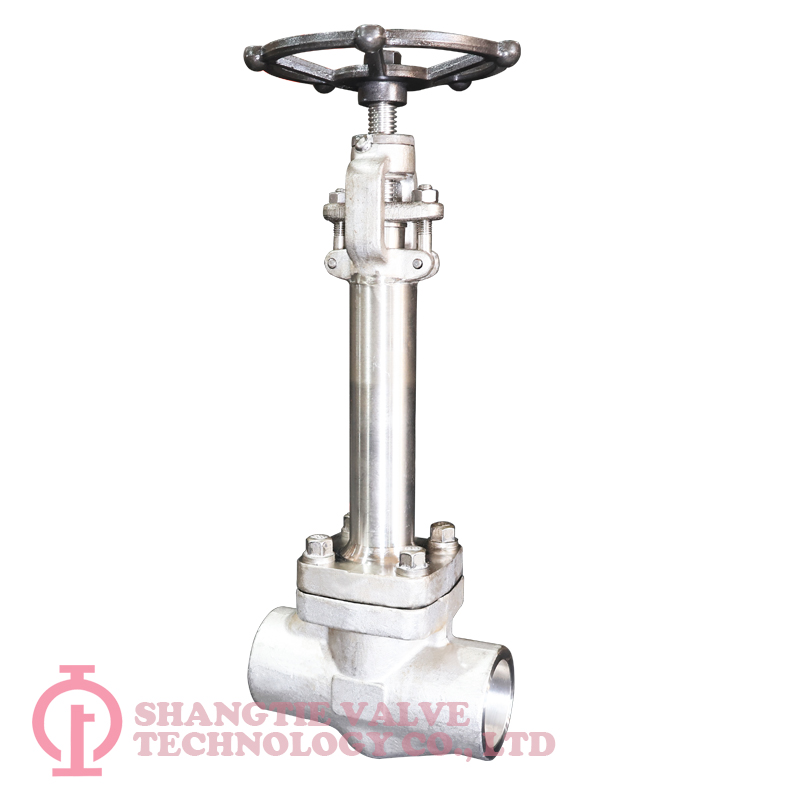
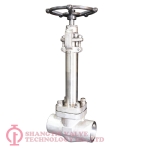
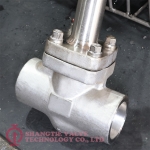
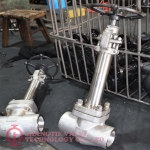
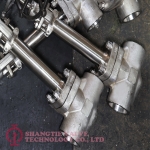
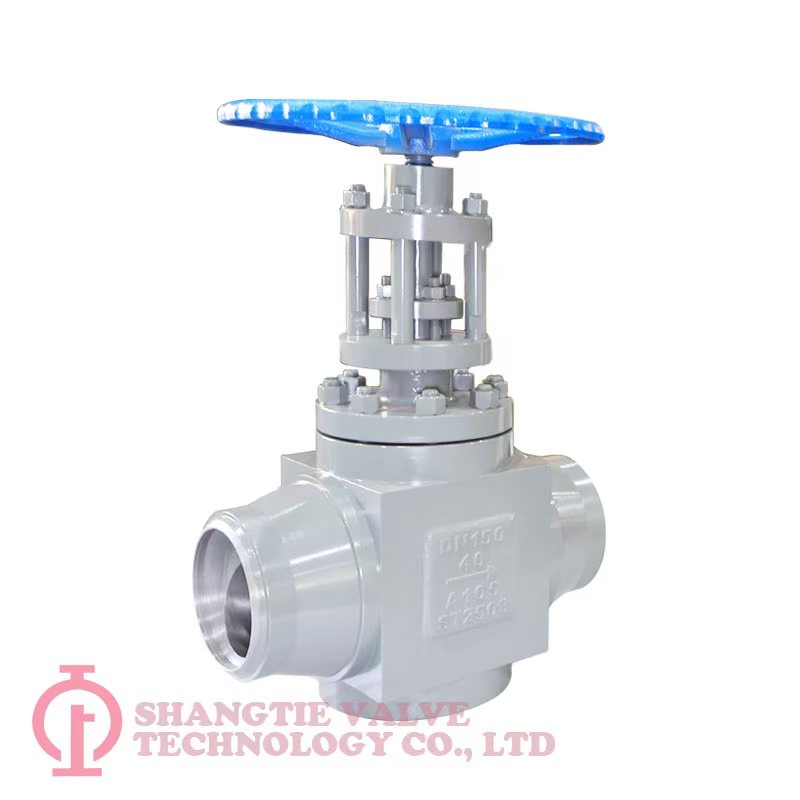
What is an API 602 Forged Globe Valve
An API 602 Forged Globe Valve is a high-quality valve designed for use in systems requiring precise flow control. The API 602 standard, established by the American Petroleum Institute (API), specifies the requirements for valves that control fluid flow in petroleum and natural gas applications. The standard ensures that these valves meet rigorous performance and safety standards for high-pressure and high-temperature service.
The term “forged” indicates that the valve body is created through a forging process, which improves the material’s strength and durability. The forging process allows for a more uniform grain structure, ensuring that the valve performs optimally under demanding conditions.
A globe valve is a linear motion valve used to regulate the flow of liquids, gases, and slurries. The globe valve design offers excellent throttling capabilities, meaning it can precisely control the flow rate. The valve uses a disk or plug that moves perpendicular to the flow of fluid, allowing for smooth, fine adjustments to the flow.
Key Features
Stainless Steel Construction:
The valve body and internals are made from forged stainless steel, offering superior corrosion resistance and durability, particularly in challenging environments where aggressive fluids or harsh chemicals are present. Stainless steel is also highly resistant to high temperatures and pressure fluctuations, making it ideal for applications in the oil and gas, chemical, and power generation industries.
SW End (Socket Weld) Connection:
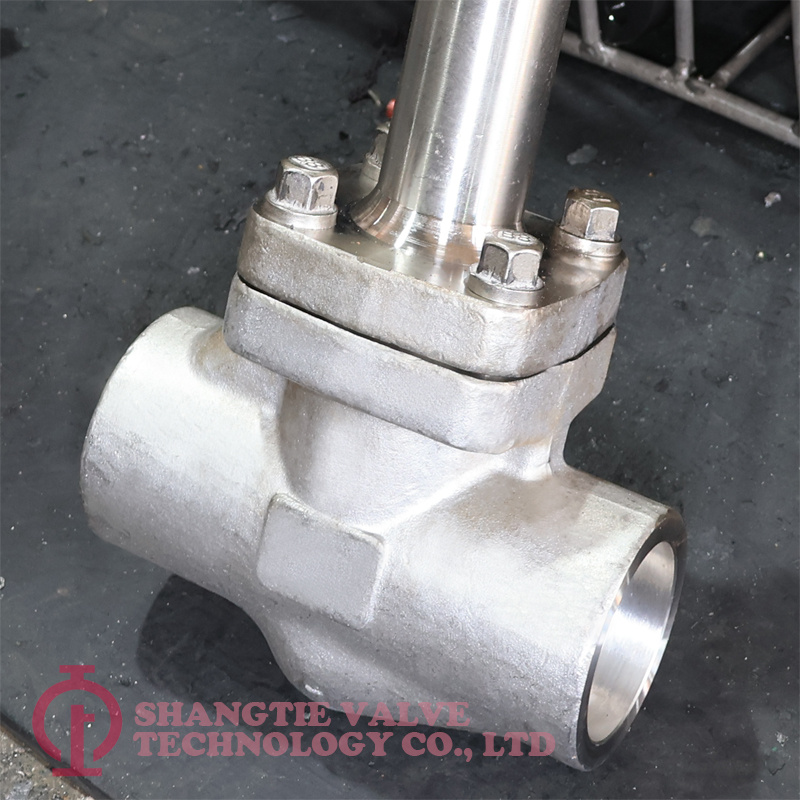
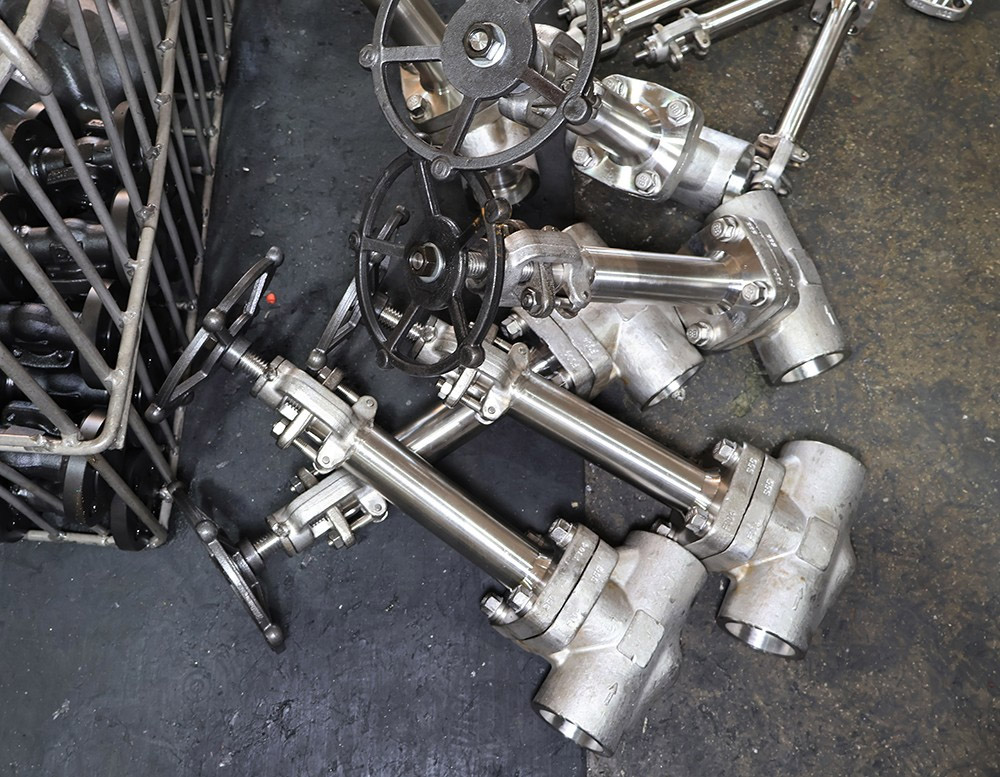
The valve is designed with Socket Weld (SW) ends, which provide a strong, reliable, and leak-proof connection. Socket welding is typically used in high-pressure systems and is particularly effective in preventing issues like leaks or vibrations. The SW connection ensures that the valve is securely installed, minimizing the risk of failure during operation.
Extension Stem Design:
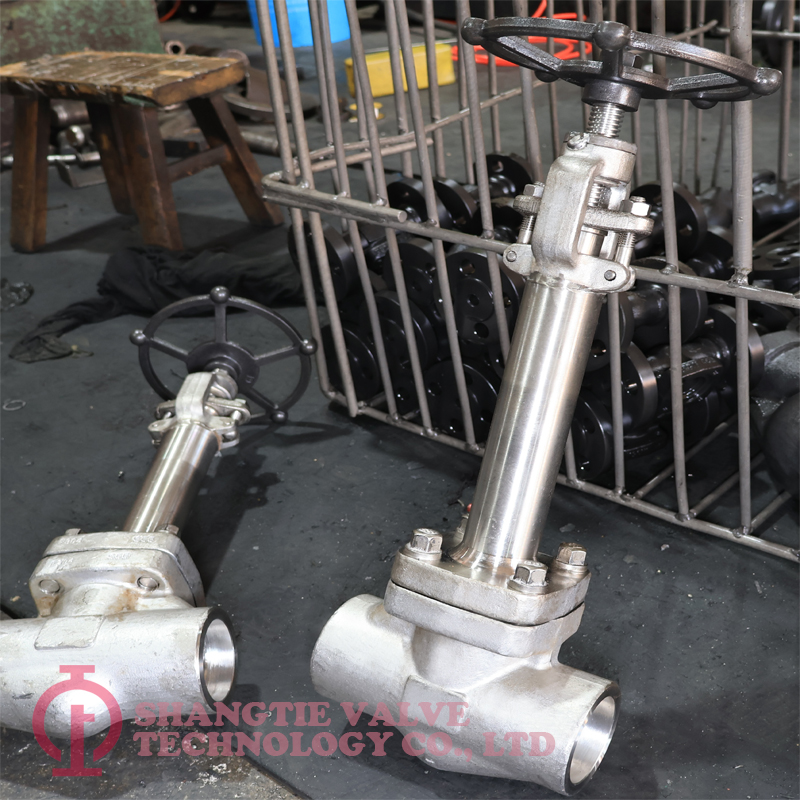
One of the standout features of the API 602 Forged Globe Valve is its extension stem. This stem extends the valve’s actuator above the freezing point, making it particularly useful in cryogenic applications. The extension stem allows for safe operation in low-temperature environments by preventing freezing of the actuator and ensuring that the valve can be operated safely and effectively even in sub-zero conditions. This is essential in applications involving liquefied gases, such as LNG (Liquefied Natural Gas) or cryogenic storage.
Cryogenic Capabilities:
The cryogenic design ensures that the valve performs well at extremely low temperatures, typically down to -196°C (-320°F). This makes it suitable for applications where the fluid is in a liquefied or frozen state, such as in the transportation of liquefied natural gas (LNG), liquid nitrogen, or other cryogenic substances. The valve’s materials and sealing mechanisms are specifically designed to prevent leakage and ensure reliable performance under such extreme conditions.
Forged Body:
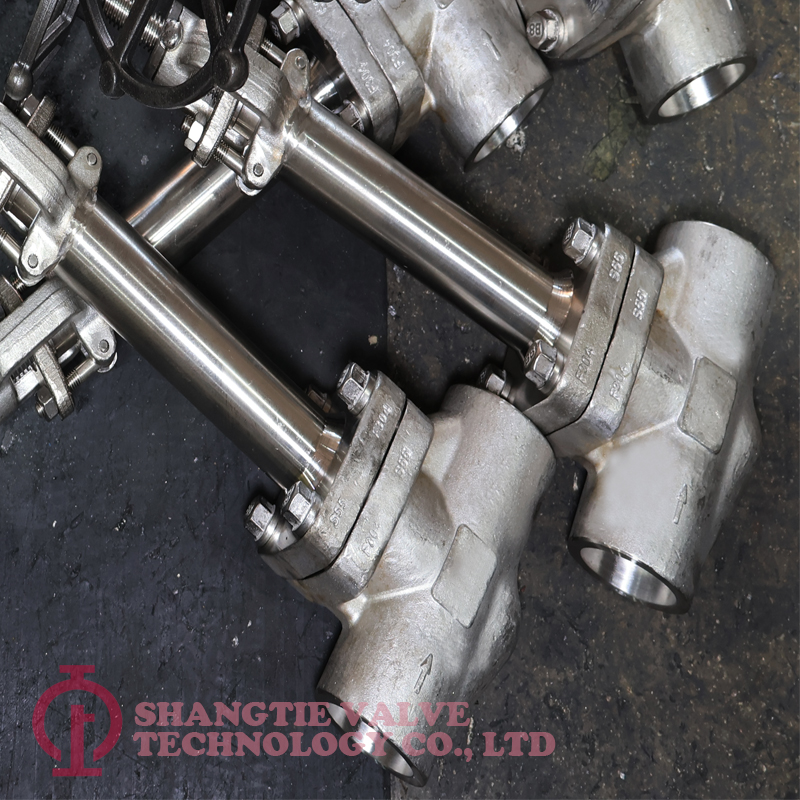
The forged valve body provides superior strength compared to cast alternatives. Forged valves are more resilient to high-pressure conditions, providing a higher safety margin and reducing the likelihood of failure in high-stress applications. The forging process also reduces the risk of internal defects, making the valve more reliable in critical applications.
Precision Flow Control:
The globe valve design offers fine control over the flow of fluids. This precise flow regulation is essential in industries where accurate measurement of fluid flow is necessary, such as in fuel systems, chemical processing, and power plants. The valve’s stem and disc provide tight closure, ensuring a high degree of throttling and flow control.
Benefits
Enhanced Safety in Cryogenic Conditions:
The extension stem ensures that the valve actuator remains operational even in cryogenic environments, reducing the risk of freezing and failure. This is critical in applications involving hazardous or volatile fluids, where even a minor leak or malfunction can have serious consequences.
Improved Durability:
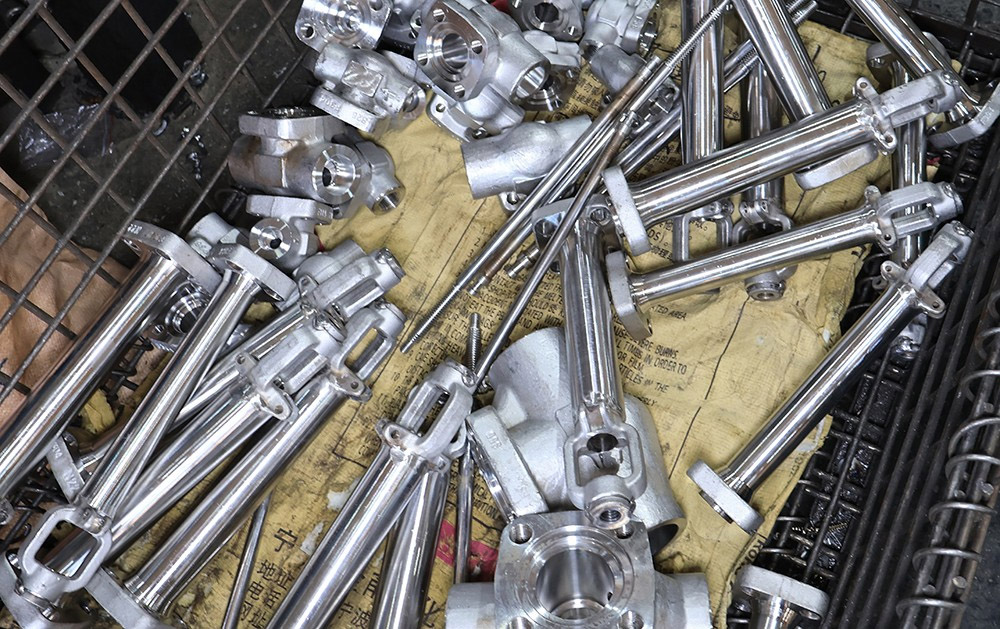
The forged stainless steel construction of the valve body ensures it can withstand high pressures, temperatures, and corrosive environments, significantly improving the valve’s lifespan and reducing the frequency of replacements or repairs.
Precise Flow Control:
The globe valve design allows for precise throttling of flow, making it ideal for applications where accuracy is crucial. This feature is particularly valuable in industries such as chemical processing and power generation, where precise flow regulation is essential for safety and efficiency.
Leakage Prevention:
The design and materials used in the valve, including its sealing mechanisms, ensure tight shutoff and minimal leakage, even in demanding applications. This makes it suitable for industries where leakage can result in environmental hazards, safety risks, or product loss.
Versatility:
The API 602 SW End Stainless Steel Extension Stem Cryogenic Forged Globe Valve is versatile, being used in a broad range of applications involving various types of fluids, including gases, chemicals, and liquids. Its ability to perform in both high and low temperatures adds to its flexibility across industries.
Applications of the API 602 SW End Stainless Steel Extension Stem Cryogenic Forged Globe Valve
The API 602 SW End Stainless Steel Extension Stem Cryogenic Forged Globe Valve is used across a wide range of industries where high-performance flow control is required, particularly under extreme conditions. Some of the key industries and applications include:
Liquefied Natural Gas (LNG) and Cryogenic Storage:
The cryogenic design of this valve makes it ideal for use in LNG plants, where it is essential to control the flow of natural gas at cryogenic temperatures. The extension stem prevents freezing of the valve actuator, ensuring reliable operation in LNG storage tanks, pipelines, and regasification terminals.
Oil and Gas:
In the oil and gas industry, the valve is used in pipeline systems, refineries, and production facilities, particularly for applications that involve extreme temperatures and pressures. The valve is especially beneficial in subsea or offshore oil rigs where temperatures can drop significantly, and robust, durable components are necessary.
Chemical and Petrochemical Processing:
The API 602 Forged Globe Valve is employed in chemical and petrochemical plants to regulate the flow of reactive, corrosive, or hazardous fluids. Its forged stainless steel construction ensures long-term durability and resistance to corrosion and high pressures, while its precise flow control capabilities are essential in chemical reactions and distillation processes.
Power Generation:
The valve is used in power plants to control the flow of steam, water, and other fluids in boilers, condensers, and heat exchangers. Its ability to function under high pressures and temperatures, along with its precise control capabilities, makes it an essential part of steam and fluid systems in both fossil-fueled and nuclear power plants.
Cryogenic Transport and Distribution:
In cryogenic transport systems, such as those that carry liquid nitrogen or oxygen, the valve provides a safe and reliable way to regulate flow under extremely low temperatures. Its extension stem and cryogenic capabilities ensure the valve operates safely and effectively throughout the entire cryogenic transport process.