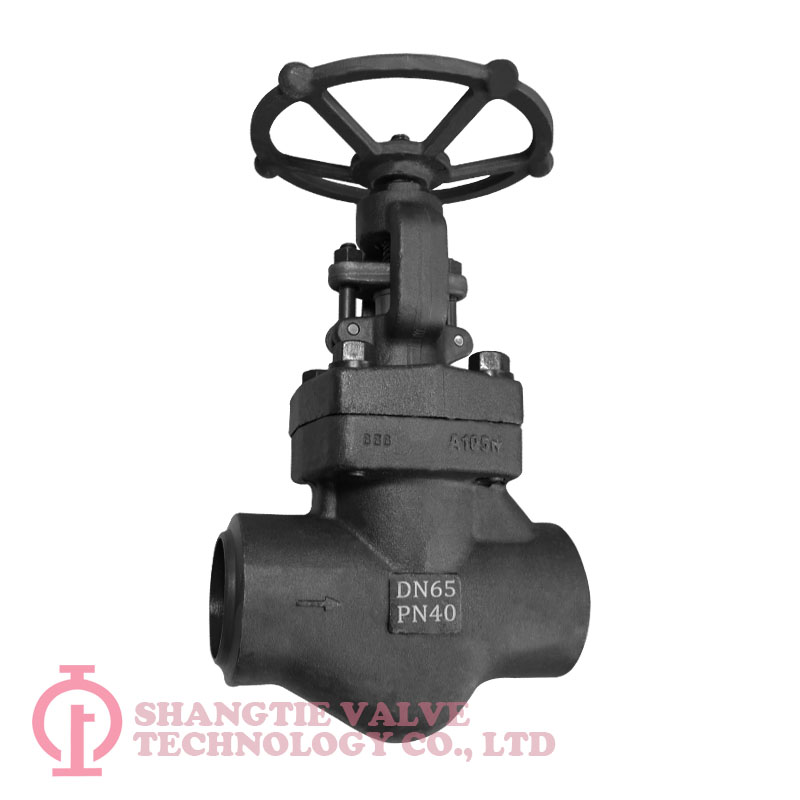
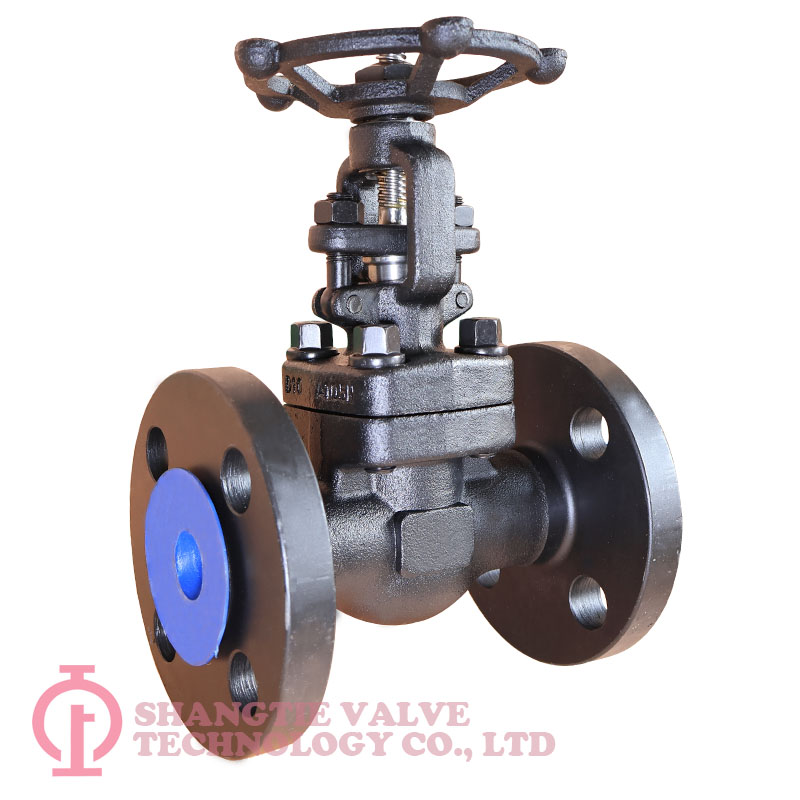
Introduction of DIN Standard Forged Steel Globe Valves
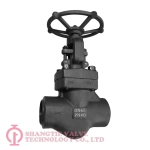
A DIN Standard Forged Steel Globe Valve is a type of industrial valve that conforms to the standards set by the Deutsches Institut für Normung (DIN), which is the German Institute for Standardization. These valves are used to control the flow of fluids in various industries, including oil, gas, water, and chemical processing. The globe valve is designed to regulate flow by adjusting the size of the opening through which the fluid passes. DIN forged steel globe valves are renowned for their durability, reliability, and excellent performance under extreme conditions. This article will provide a detailed overview of these valves, including their construction, operation, advantages, and applications.
What is a Globe Valve?
A globe valve is a type of valve used for regulating or throttling the flow of fluids through a pipe. Unlike ball or gate valves, which are designed for fully open or fully closed positions, globe valves are specifically designed to allow for fine control of fluid flow. The internal design of a globe valve includes a spherical body, a movable disk or plug, and a stationary seat. The disk or plug is positioned to either block or open the flow path, depending on the position of the valve stem.
The globe valve's main characteristic is its ability to regulate flow with great precision, making it an essential component in systems where flow control is critical. The design of the valve provides a relatively long and narrow flow path, which gives it excellent throttling capabilities.
Forged Steel Material
Forged steel is a key material in the manufacturing of high-performance valves, including DIN Standard Forged Steel Globe Valves. Forging is a process that involves shaping metal through the application of localized compressive forces. Unlike casting, where the metal is poured into a mold, forging results in stronger and more durable parts. The forging process improves the material's grain structure, which enhances its mechanical properties and resistance to high-pressure and high-temperature conditions.
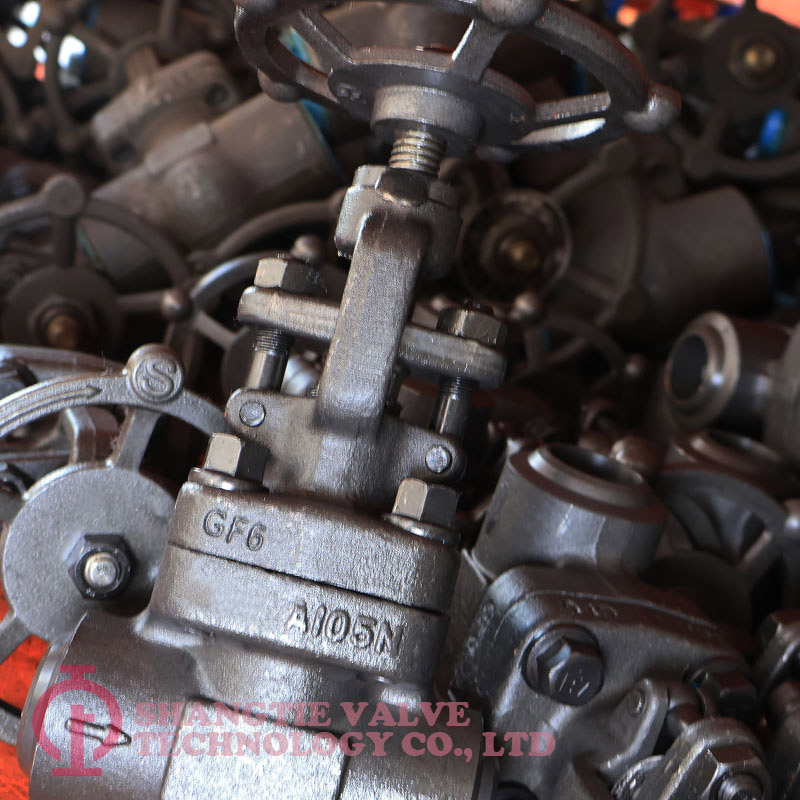
Forged steel valves offer several advantages over cast steel valves, including superior strength, better resistance to fatigue, and the ability to withstand higher pressures and temperatures. These qualities make forged steel an ideal choice for globe valves used in demanding industrial applications.
DIN Standards for Forged Steel Globe Valves
DIN standards are internationally recognized engineering specifications that outline the design, dimensions, materials, testing, and quality assurance requirements for various industrial products. For forged steel globe valves, the relevant DIN standards ensure that the valve meets specific performance criteria in terms of strength, durability, and reliability. Some of the key DIN standards applicable to forged steel globe valves include:
DIN 3356: This standard covers the design and performance requirements for globe valves used in various industries. It specifies the materials, pressure ratings, and testing procedures that valves must meet.
DIN 3230: This standard outlines the design requirements for forged steel valves, including the geometry of the valve body, the valve stem, and the disk or plug.
DIN EN 12266: This standard provides guidelines for valve testing, including the leak-tightness testing procedures that must be conducted to ensure a valve's proper sealing performance.
DIN 2448: This standard pertains to the dimensions of seamless steel pipes used in conjunction with forged steel valves, ensuring compatibility in pipe systems.
These standards help manufacturers produce high-quality valves that meet the stringent requirements of various industries, ensuring consistent performance and safety.
Construction of DIN Standard Forged Steel Globe Valves
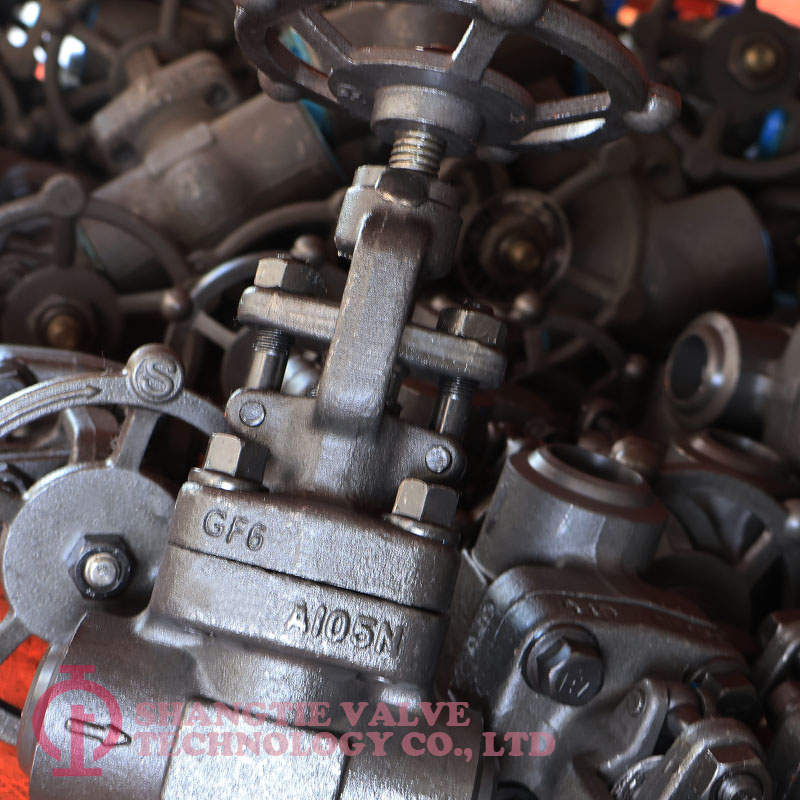
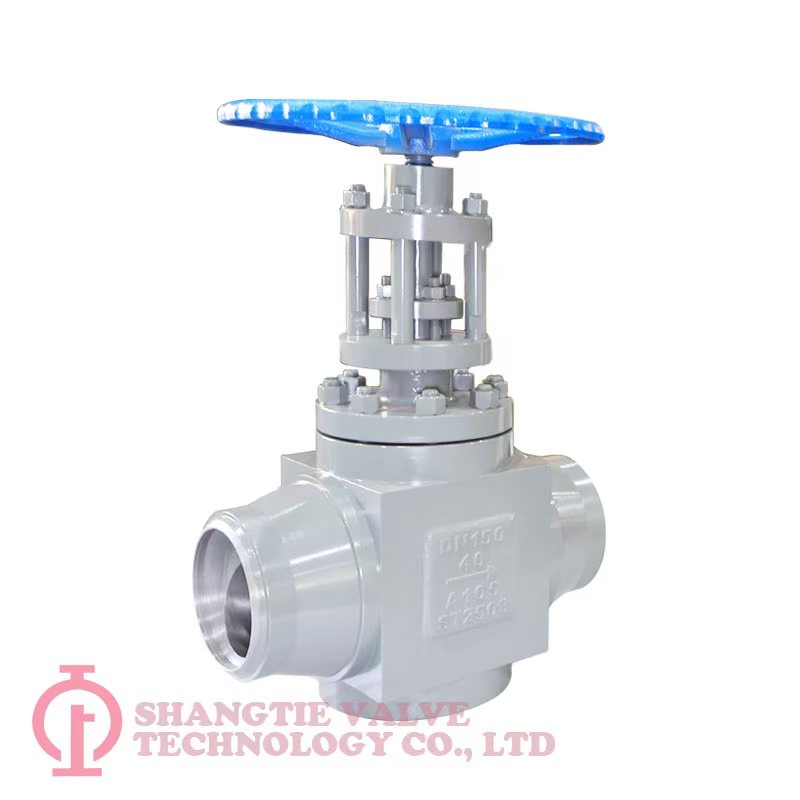
The construction of a DIN Standard Forged Steel Globe Valve consists of several key components, each designed to ensure optimal performance and longevity:
Valve Body: The body of the valve is made from high-quality forged steel, which gives it the strength and durability to withstand high pressures and temperatures. The body houses the internal components, including the valve seat and disk.
Valve Seat: The valve seat is the part that provides the sealing surface for the valve disk. It is usually machined to precise tolerances to ensure a tight shutoff when the valve is closed. The seat is typically made from materials like stainless steel, carbide, or other hard-wearing alloys to enhance its durability.
Valve Disk/Plug: The valve disk, or plug, is the part that moves to regulate the flow of fluid. It is typically made from the same forged steel material as the body. The disk is designed to fit tightly against the valve seat to create a seal when the valve is closed. In many globe valves, the disk is connected to a valve stem that controls its movement.
Valve Stem: The stem is the mechanism that connects the valve disk to the actuator. When the stem is turned, it moves the disk up or down, adjusting the size of the opening and, therefore, the flow rate of the fluid.
Bonnet: The bonnet is the cover that houses the valve stem and actuator mechanism. It ensures that the internal components are protected from external elements, such as dirt, dust, and moisture.
Actuator: The actuator is the device that provides the mechanical force to open or close the valve. In manual globe valves, the actuator is typically a handwheel, but for automated or remotely controlled systems, electric or pneumatic actuators may be used.
Operation of DIN Standard Forged Steel Globe Valves
The operation of a globe valve is relatively simple. When the valve is fully open, the disk is moved away from the valve seat, allowing the fluid to pass through. As the valve stem is turned, the disk moves closer to the seat, gradually restricting the flow of fluid. The precise movement of the disk enables the valve to control the flow with high accuracy.
One of the key advantages of globe valves is their ability to provide fine control of the flow, as opposed to ball or gate valves, which are either fully open or fully closed. This makes globe valves especially useful in systems that require precise flow regulation, such as in chemical processing, steam systems, and cooling water systems.
Advantages of DIN Standard Forged Steel Globe Valves
Durability and Strength: The forged steel construction makes these valves highly durable, resistant to fatigue, and able to withstand high-pressure and high-temperature environments.
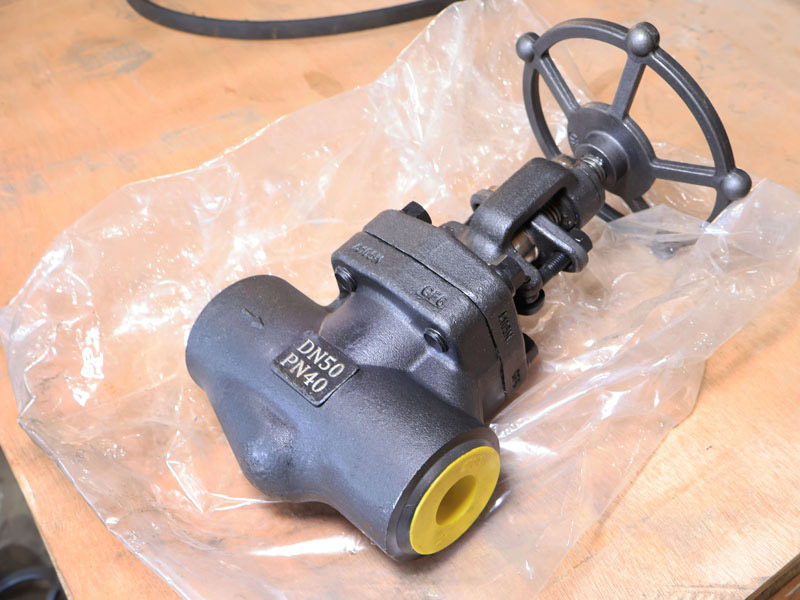
Excellent Flow Control: Globe valves are known for their ability to provide precise flow control, making them ideal for throttling and regulating the flow of fluids in critical applications.
Leak Tightness: When properly installed and maintained, globe valves offer excellent sealing performance, preventing leakage and ensuring system integrity.
Versatility: DIN Standard Forged Steel Globe Valves are available in a wide range of sizes, pressure ratings, and materials, making them suitable for a variety of industrial applications.
Long Service Life: The robust construction and wear-resistant materials ensure that these valves have a long service life, even in demanding conditions.
DIN Standard Forged Steel Globe Valves are essential components in various industrial systems that require precise flow control. Their robust forged steel construction, combined with the ability to regulate fluid flow with high accuracy, makes them ideal for applications in harsh environments. By adhering to the stringent DIN standards, these valves ensure consistent performance, safety, and reliability. Whether used in oil and gas, power generation, or chemical processing, DIN Standard Forged Steel Globe Valves are an indispensable part of modern industrial infrastructure.
Applications of DIN Standard Forged Steel Globe Valves
DIN Standard Forged Steel Globe Valves are used in a wide range of applications where flow control is critical. Some of the key industries and applications include:
Oil and Gas: Used in pipelines, refineries, and chemical plants to control the flow of crude oil, gas, and other fluids.
Power Generation: Used in steam and cooling water systems for regulating the flow of water, steam, and other fluids in power plants.
Water Treatment: Used in municipal and industrial water treatment plants for controlling the flow of water and chemicals.
Chemical Processing: Used to regulate the flow of chemicals in reactors, distillation columns, and other processing equipment.