Introduction to Gate Valves
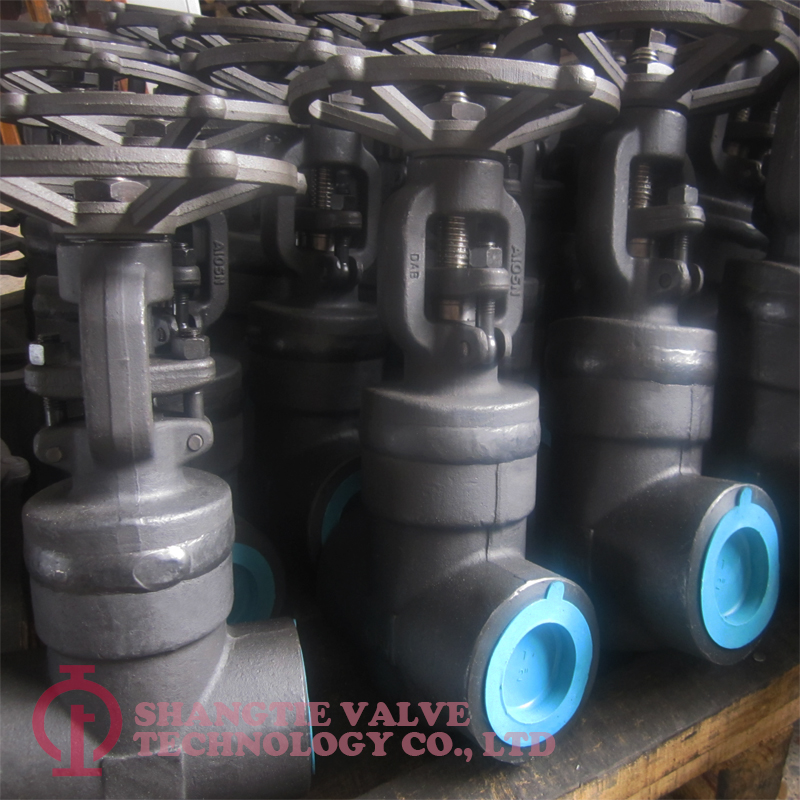
A gate valve is a type of valve used to control the flow of a fluid through a pipeline. It works by using a gate or wedge that moves up and down to block or allow flow. The movement of the gate is typically linear, and it is raised or lowered by a handwheel or actuator. Gate valves are often employed in applications where the flow needs to be either fully opened or fully closed, and they are particularly known for their ability to provide minimal resistance to fluid flow when fully open.
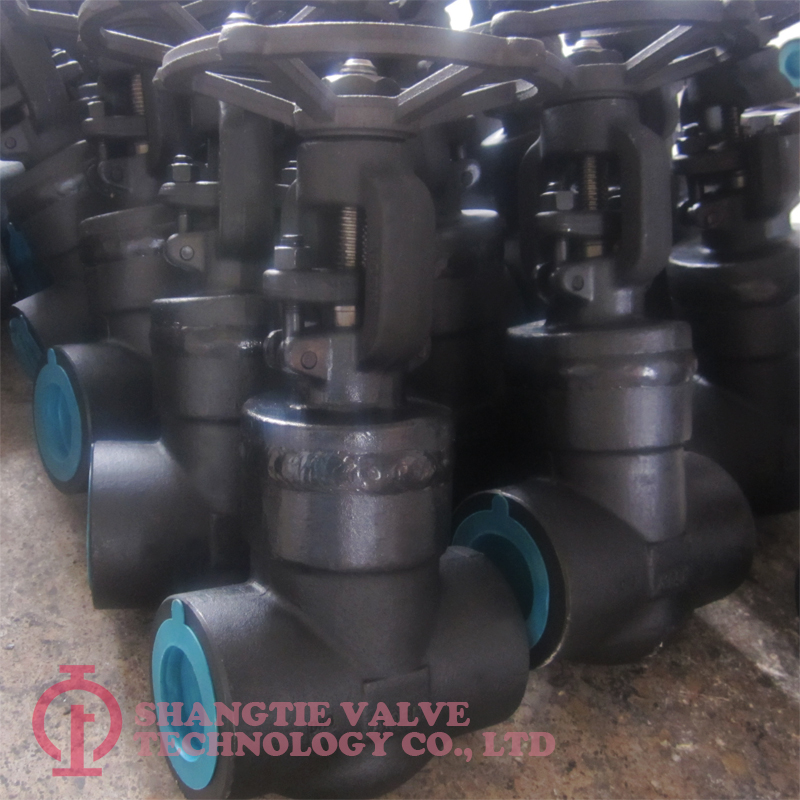
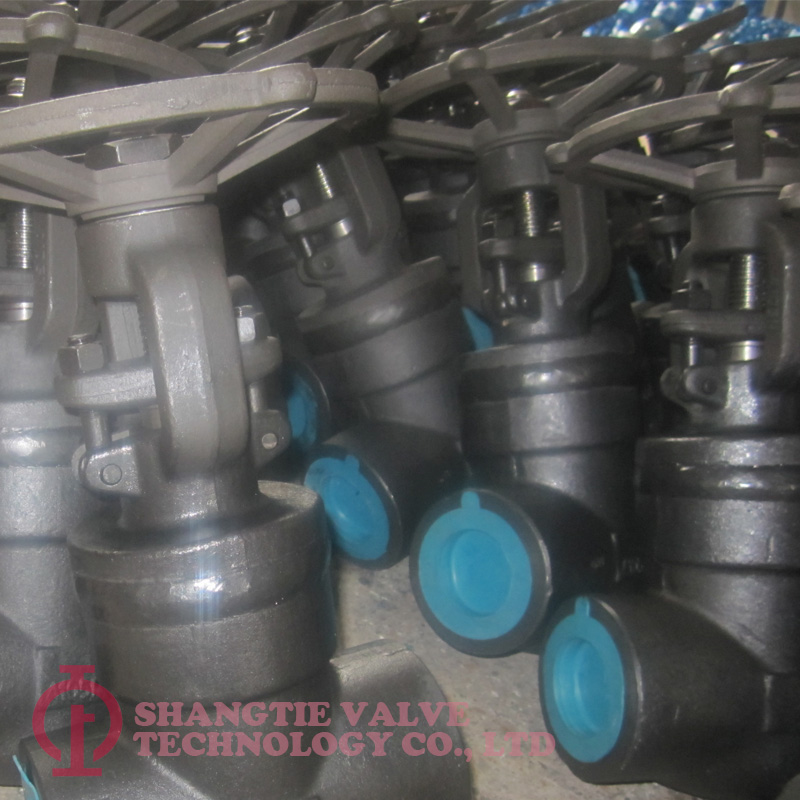
Construction and Design Features of a Welded Bonnet Forged Steel Gate Valve
Welded Bonnet Design
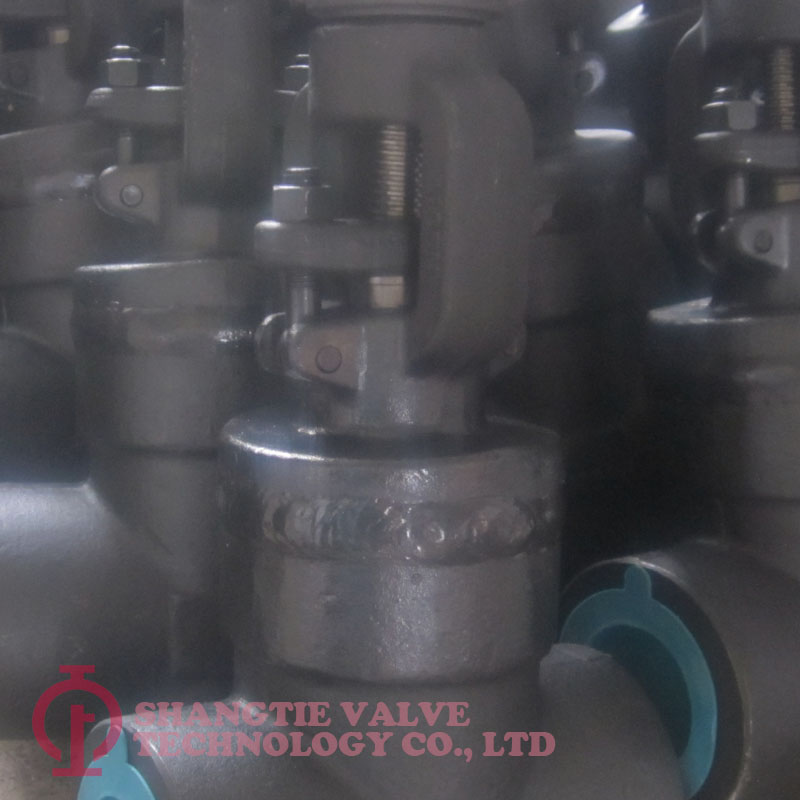
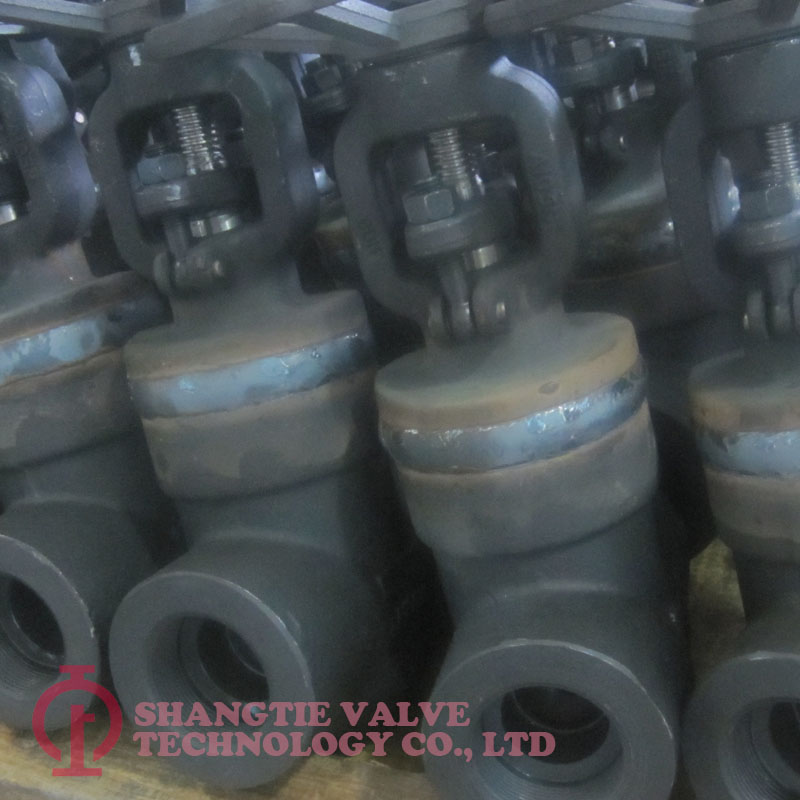
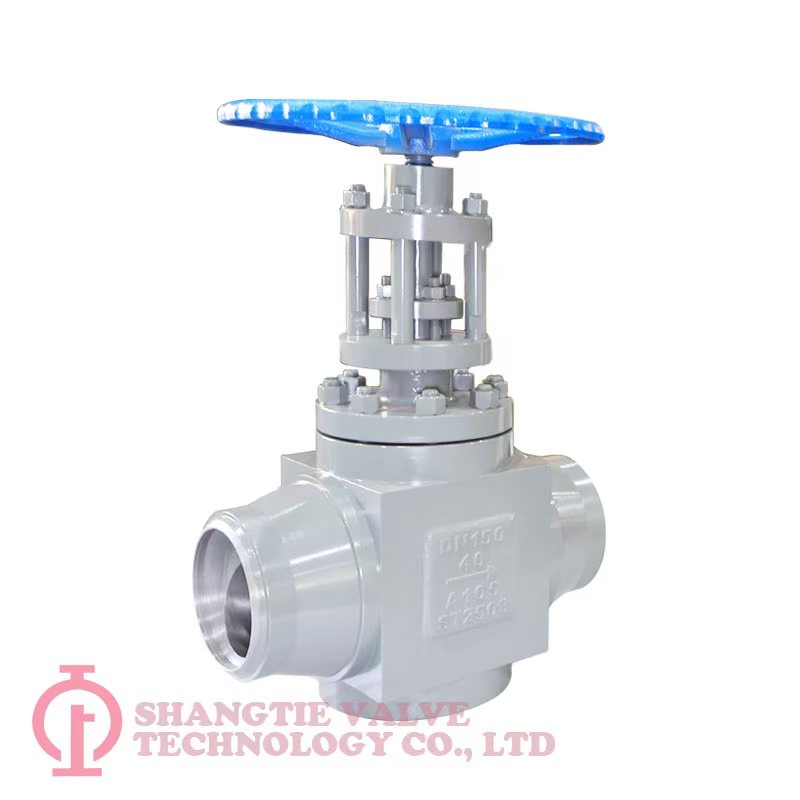
The term "welded bonnet" refers to the method used to connect the valve body to the bonnet, which is the upper part of the valve that houses the stem and the actuator mechanism. Unlike traditional bonnet designs, which often use bolts or nuts to secure the bonnet to the valve body, a welded bonnet is permanently welded, making it more secure and less prone to leaks. This design is typically used in high-pressure and high-temperature applications where the valve must withstand extreme conditions.
The welded bonnet design improves the integrity of the valve, eliminating the need for packing and providing a leak-proof seal between the valve body and the bonnet. It also prevents any contaminants from entering the valve body, which is important in industries where purity and cleanliness are essential.
Forged Steel Material
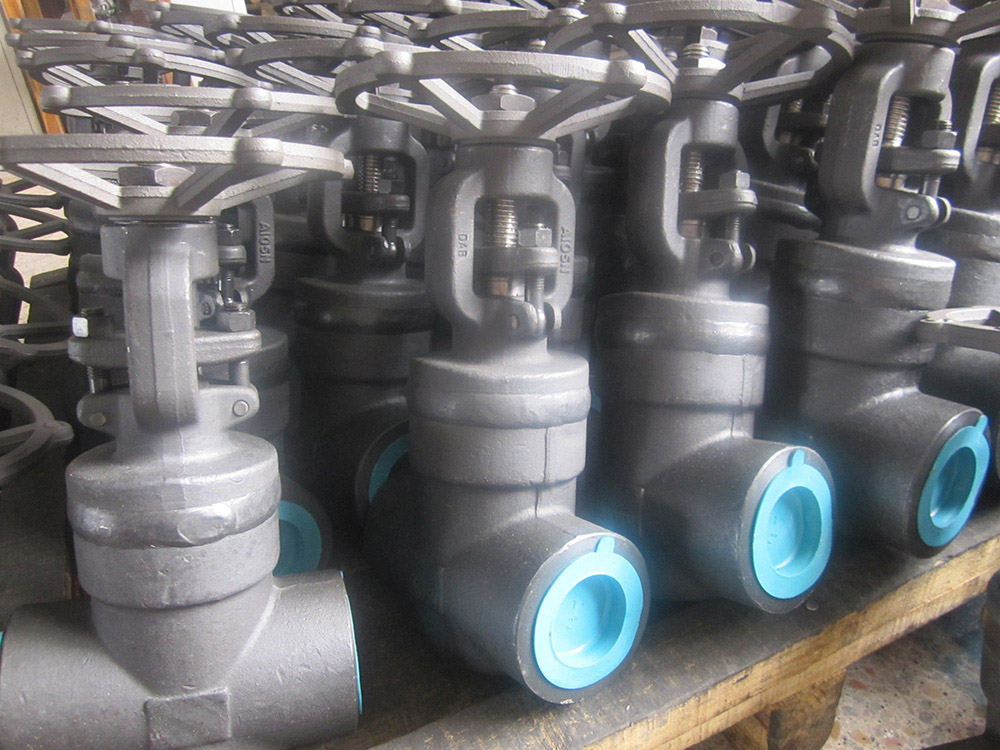
A "forged steel" gate valve is made from steel that has been forged at high temperatures to improve its mechanical properties, including strength, toughness, and resistance to wear and corrosion. Forging is a process that involves shaping the metal by applying compressive forces, typically using a hammer or press. The process of forging improves the grain structure of the steel, making it more homogeneous and enhancing its overall strength.
Forged steel is a material of choice for gate valves used in critical applications because it offers high performance under extreme conditions. It has excellent resistance to fatigue, stress, and thermal expansion, making it suitable for use in high-pressure, high-temperature environments such as power plants and oil and gas refineries.
Gate Valve Components
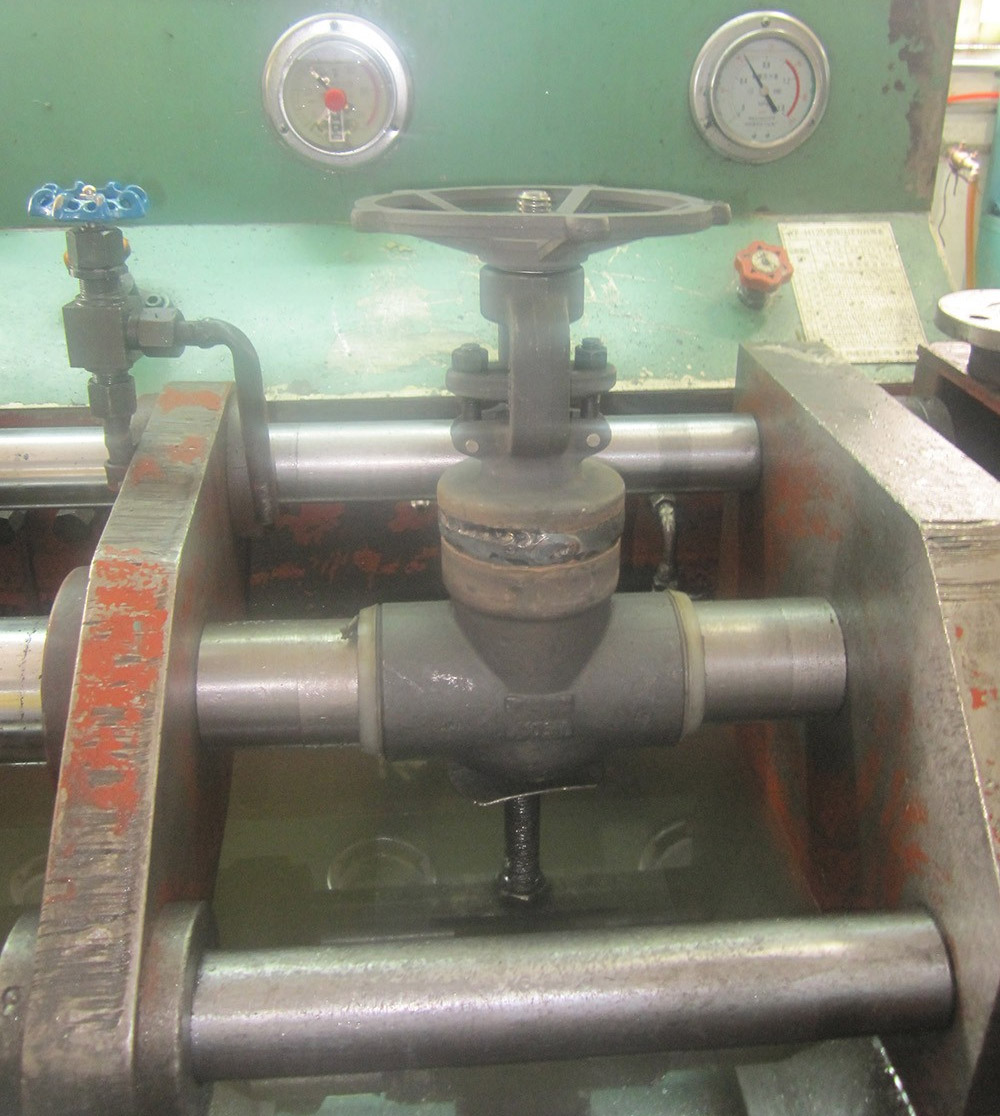
The primary components of a welded bonnet forged steel gate valve include:
Body: The main component of the valve, which houses other parts and connects the valve to the pipeline. The body is usually made of forged steel.
Bonnet: This is the cover that protects the internal components of the valve, including the stem and sealing elements. In a welded bonnet design, the bonnet is welded to the valve body.
Gate: The gate is the part of the valve that moves to block or allow fluid flow. It can be made from a variety of materials, such as stainless steel, bronze, or other alloys, depending on the application.
Stem: The stem connects the handwheel or actuator to the gate, allowing the operator to move the gate up or down.
Seals and Packing: Seals and packing are used to prevent leakage and ensure that the valve operates efficiently. In welded bonnet gate valves, the welding helps eliminate the need for packing, reducing the likelihood of leaks over time.
Actuator: In some cases, the gate valve may be fitted with an actuator for automated operation. The actuator can be pneumatic, hydraulic, or electric, depending on the specific needs of the system.
Advantages of Welded Bonnet Forged Steel Gate Valves
Leak Prevention: One of the primary benefits of a welded bonnet design is its ability to prevent leakage. The welded connection between the body and bonnet creates a strong, permanent seal that is resistant to wear and tear, reducing the chances of leaks.
Durability: Forged steel provides exceptional strength and resistance to corrosion, making these valves ideal for use in harsh environments. They are capable of withstanding high temperatures, pressures, and mechanical stress without failing.
Minimal Maintenance: The welded bonnet eliminates the need for packing, reducing maintenance requirements and the risk of leakage over time. This also simplifies the valve’s design and reduces the number of parts that need to be maintained or replaced.
Versatility: Welded bonnet forged steel gate valves can be used in a wide range of applications, from oil and gas pipelines to power plants and water treatment facilities. They can handle various types of fluids, including gases, liquids, and even slurries.
Cost-Effective: While welded bonnet forged steel gate valves can be more expensive initially due to the manufacturing process and materials used, their long lifespan, durability, and minimal maintenance requirements often result in cost savings over time.
Applications of Welded bonnet forged steel gate valves
Welded bonnet forged steel gate valves are typically used in applications that involve high-pressure and high-temperature environments, where the reliability of the valve is critical. Some of the industries where these valves are commonly used include:
Oil and Gas Industry
In the oil and gas industry, welded bonnet forged steel gate valves are often used in upstream, midstream, and downstream operations. These valves are essential for controlling the flow of crude oil, natural gas, and refined products through pipelines, refineries, and petrochemical plants. Due to the high pressures and temperatures in these systems, the valve must be able to withstand harsh operating conditions without leaking or failing.
Power Generation
In power plants, welded bonnet forged steel gate valves are used in steam and water systems, where high pressure and temperature conditions are present. These valves are found in boiler feedwater systems, steam lines, and cooling water systems, where their durability and ability to handle extreme conditions are essential for maintaining the efficiency and safety of the power plant.
Water Treatment Plants
In water treatment facilities, these valves are used for controlling the flow of water in various stages of treatment. The welded bonnet design ensures that the valve remains leak-free, which is critical in maintaining water purity and preventing contamination.
Chemical and Petrochemical Industry
The chemical industry requires valves that can handle a wide range of chemicals, some of which can be highly corrosive or abrasive. Welded bonnet forged steel gate valves provide the strength and resistance necessary for these demanding applications, where leak prevention and reliability are paramount.