Offshore Platforms
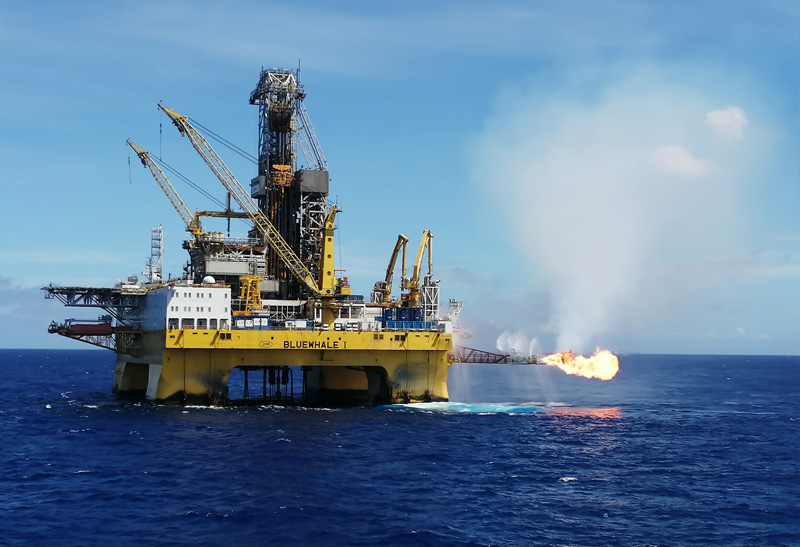
Offshore platforms are complex industrial structures installed in oceans and seas for the exploration, extraction, processing, and temporary storage of oil and natural gas. These facilities operate under some of the most extreme working conditions on earth, including high pressure, corrosive saltwater environments, fluctuating temperatures, and continuous mechanical stress caused by waves and wind. Because of these harsh conditions, every component used in offshore systems must meet strict safety, durability, and performance requirements—especially valves.
Valves are critical flow control devices used throughout offshore platforms to regulate, isolate, direct, and protect the flow of hydrocarbons, seawater, chemicals, and gases. The reliability of valve systems directly impacts operational safety, environmental protection, and production efficiency. Any failure in valve performance can lead to severe accidents, production shutdowns, or environmental disasters. Therefore, specialized valve types and internationally recognized standards are essential for offshore applications.
Valve Types Used in Offshore Platforms
Offshore platforms use a wide range of valve types, each designed for specific operational functions and pressure conditions. The most common valve types include:
1. Gate Valves
Gate valves are widely used for isolation purposes in offshore pipelines. They provide a tight shut-off when fully closed and minimal pressure drop when fully open. In offshore environments, rising stem or slab gate valves are often selected due to their reliability in high-pressure systems. They are commonly installed in main oil and gas transmission lines.
2. Globe Valves
Globe valves are used for flow regulation and throttling. Their design allows precise control of fluid flow, making them suitable for cooling systems, fuel systems, and auxiliary offshore processes. However, they introduce higher pressure loss compared to gate valves.
3. Ball Valves
Ball valves are among the most important valve types in offshore platforms due to their quick operation, tight sealing, and durability. Full-bore ball valves are commonly used in pipeline isolation and emergency shut-off systems. They are especially effective in high-pressure and high-temperature applications.
4. Check Valves
Check valves are non-return valves used to prevent backflow in pipelines. Offshore platforms typically use swing check valves or dual plate check valves. These valves ensure directional flow of oil, gas, and seawater, protecting pumps and compressors from reverse flow damage.
5. Butterfly Valves
Butterfly valves are used in large-diameter pipelines where space and weight are critical considerations. They are commonly used in seawater systems, firewater systems, and low-pressure hydrocarbon lines. Their compact design makes them ideal for offshore installations.
6. Choke Valves
Choke valves are essential in wellhead and production systems. They regulate pressure and flow from wells, helping to control production rates and prevent sudden pressure surges. They are designed to withstand erosion, sand production, and extreme pressure differentials.
7. Safety Relief Valves
Safety valves are critical protective devices used to release excess pressure from pipelines or equipment. In offshore platforms, they are installed in pressure vessels, separators, and storage systems to prevent explosions or equipment failure.
8. Subsea Valves
Subsea valves are specially engineered for underwater installation on the seabed. These valves must withstand deepwater pressure, corrosion, and remote operation requirements. They are commonly used in subsea production systems and underwater pipeline networks.
Standards for Offshore Platform Valves
Valves used in offshore environments must comply with strict international standards to ensure safety, interoperability, and performance reliability. The most widely used standards include:
1. API Standards (American Petroleum Institute)
API standards are the most important guidelines for oil and gas valves.
· API 6A: Specifies requirements for wellhead and Christmas tree equipment used in high-pressure drilling and production systems.
· API 6D: Covers pipeline valves used in transmission systems, including gate, ball, and check valves.
· API 600: Standard for steel gate valves with bolted bonnet design.
· API 608: Covers metal ball valves for petroleum and gas industries.
· API 598: Testing and inspection requirements for valves.
· API 607 / API 6FA: Fire safety testing standards for valves.
2. ISO Standards (International Organization for Standardization)
· ISO 10423: Equivalent to API 6A, covering wellhead and Christmas tree equipment.
· ISO 14313: Pipeline valves for petroleum and natural gas industries.
· ISO 5208: Pressure testing of metallic valves.
3. ASME Standards (American Society of Mechanical Engineers)
· ASME B16.34: Design, materials, pressure-temperature ratings, and testing requirements for valves.
· ASME B16.5 / B16.47: Flange standards used in offshore piping systems.
4. NACE Standards (Corrosion Control)
· NACE MR0175 / ISO 15156: Specifies materials for sour service environments containing hydrogen sulfide (H₂S), which is common in offshore oil and gas production.
5. Fire Safety and Environmental Standards
Offshore valves must also meet fire-safe and fugitive emission requirements to ensure environmental protection and operational safety. These include API fire testing standards and ISO environmental sealing requirements.
Importance of Valve Selection in Offshore Platforms
Proper valve selection is critical in offshore engineering due to the extreme operating conditions. Factors such as pressure rating, temperature resistance, corrosion resistance, and material compatibility must be carefully evaluated. Stainless steel, duplex steel, and corrosion-resistant alloys are commonly used materials in offshore valve construction.
In addition, automation and remote control capabilities are increasingly important. Many offshore valves are equipped with pneumatic or hydraulic actuators to enable remote operation, improving safety and efficiency while reducing the need for manual intervention in hazardous environments.
Offshore platforms rely heavily on advanced valve technologies to ensure safe, efficient, and continuous operation in some of the most challenging environments in the world. From gate valves and ball valves to specialized subsea and choke valves, each type plays a vital role in controlling fluid flow and maintaining system integrity. Compliance with international standards such as API, ISO, ASME, and NACE ensures that these valves meet strict performance, safety, and durability requirements.
As offshore exploration continues to move into deeper and more demanding environments, valve technology will continue to evolve, focusing on higher reliability, improved corrosion resistance, and smarter automation systems.
NEXT: Metallurgy Steel Industry
PREV: End