Water Treatment Systems
Water treatment systems are engineered processes designed to improve the quality of water so that it becomes suitable for specific uses such as drinking, industrial production, agriculture, and environmental discharge. These systems remove physical, chemical, and biological contaminants from raw water sources, ensuring safety, efficiency, and compliance with environmental regulations.
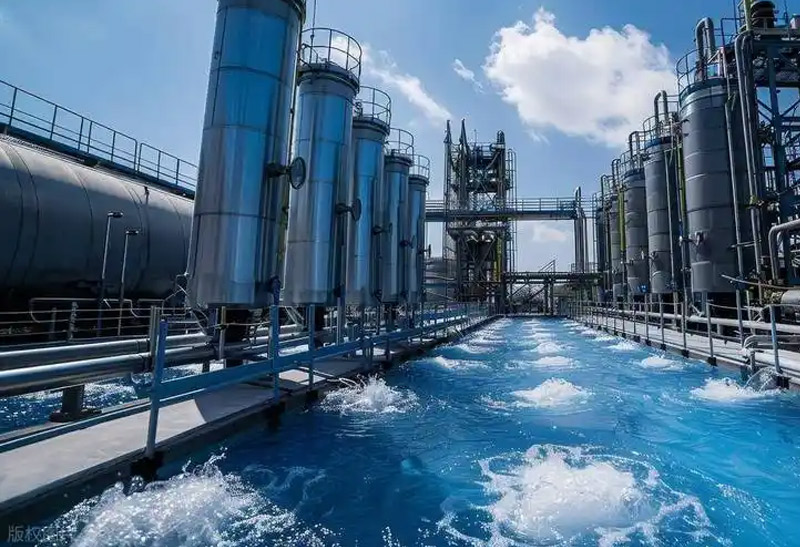
The basic concept of a water treatment system involves several stages of purification. The first stage is usually screening and sedimentation, where large particles such as leaves, sand, and debris are removed from the incoming water. This prevents damage to downstream equipment and improves treatment efficiency.
The second stage typically involves coagulation and flocculation. Chemicals known as coagulants are added to the water to cause small suspended particles to combine into larger particles called flocs. These flocs can then be removed more easily through settling or filtration processes.
Filtration is another essential step in water treatment. Water passes through materials such as sand, gravel, activated carbon, or membrane filters to remove remaining suspended solids, microorganisms, and impurities. Advanced treatment systems may use technologies such as reverse osmosis or ultrafiltration to achieve higher purification levels.
Following filtration, disinfection is carried out to eliminate harmful bacteria, viruses, and other pathogens. Common disinfection methods include chlorination, ultraviolet (UV) treatment, and ozone treatment. This step ensures that the treated water is safe for human consumption or industrial applications.
In industrial applications, water treatment systems often include additional processes such as demineralization, softening, and pH adjustment to meet specific operational requirements. Industries such as power generation, chemical processing, food production, and pharmaceuticals rely heavily on treated water to maintain equipment performance and product quality.
Modern water treatment systems also emphasize sustainability through water recycling and wastewater reuse technologies. By reducing water consumption and minimizing environmental impact, these systems contribute to the efficient management of one of the world's most valuable natural resources.
Overall, the concept of water treatment systems is based on transforming raw or contaminated water into a safe, usable resource through a series of carefully controlled physical, chemical, and biological processes. These systems play a vital role in protecting public health, supporting industrial development, and preserving the environment for future generations.
Application Sites for Water Treatment Systems
Water treatment systems are widely used across various industries and public facilities to ensure that water meets the required quality standards for specific applications. Their importance continues to grow as industries seek reliable water supplies and stricter environmental regulations are introduced.
One of the primary application sites for water treatment systems is municipal water supply facilities, where raw water from rivers, lakes, and reservoirs is purified to provide safe drinking water for communities and cities. Similarly, wastewater treatment plants use treatment systems to remove contaminants before water is discharged back into the environment or reused.
In the industrial sector, power plants rely on treated water for boiler feed systems, cooling towers, and steam generation processes. Chemical and petrochemical plants use water treatment systems to prevent corrosion, scaling, and contamination in production equipment.
The food and beverage industry requires high-quality treated water for product manufacturing, cleaning, and sanitation processes to maintain product safety and quality standards. Likewise, the pharmaceutical industry depends on highly purified water for drug production and laboratory operations.
Other important application sites include mining operations, textile factories, electronics manufacturing facilities, hospitals, hotels, and agricultural irrigation systems. In all these applications, water treatment systems help improve operational efficiency, protect equipment, conserve water resources, and ensure compliance with environmental and health regulations.
Types of Valves in Water Treatment Systems
Valves are essential components in water treatment systems, as they control the flow, pressure, and direction of water throughout the treatment process. Different valve types are selected based on their specific functions and operating requirements.
One of the most commonly used valves is the Gate Valve, which is primarily used for on-off isolation in pipelines. Gate valves provide minimal flow resistance when fully open, making them suitable for large water transmission lines.
The Butterfly Valve is widely used in water treatment plants because of its compact design, lightweight construction, and cost-effectiveness. It is ideal for regulating and isolating flow in medium and large diameter pipelines.
Ball Valves are valued for their excellent sealing performance and quick operation. They are commonly used in chemical dosing systems and smaller process lines where tight shutoff is required.
The Globe Valve is designed for throttling and flow regulation applications. Its construction allows operators to control flow rates accurately during various treatment stages.
To prevent reverse flow and protect pumps and equipment, water treatment systems use Check Valves. These valves automatically allow flow in one direction while preventing backflow.
Additional valve types such as diaphragm valves, pressure relief valves, and control valves are also used to improve process efficiency, maintain system pressure, and ensure safe and reliable operation throughout the water treatment process.
Valve Standards for Water Treatment Systems
Valve standards play an important role in ensuring the safety, reliability, and performance of water treatment systems. These standards establish requirements for valve design, materials, dimensions, testing procedures, and pressure ratings, helping manufacturers and users maintain consistent quality and compatibility across different installations.
One of the most widely recognized standards organizations is the American Society of Mechanical Engineers, which publishes standards for valve dimensions, pressure-temperature ratings, and flange connections. Similarly, the American Petroleum Institute provides standards for valve design, testing, and performance that are often adopted in industrial water treatment applications.
The International Organization for Standardization develops international standards covering quality management, valve testing, and manufacturing processes. Compliance with these standards helps ensure product consistency and facilitates international trade.
For water distribution and municipal treatment facilities, standards issued by the American Water Works Association are particularly important. These standards specify requirements for valves used in drinking water systems, including material safety and operational performance.
Testing standards such as pressure testing, seat leakage testing, and hydrostatic testing ensure that valves can operate safely under specified conditions. By complying with recognized international standards, water treatment facilities can improve system reliability, reduce maintenance costs, and ensure long-term operational efficiency.