Power Energy Industry
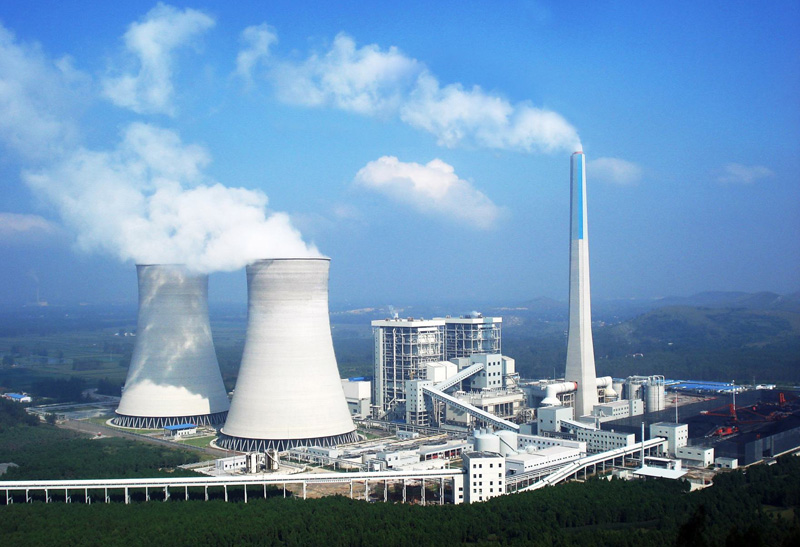
The power and energy industry is one of the most important sectors supporting modern economic development and industrial growth. It provides the electricity and energy resources required for residential communities, commercial facilities, transportation systems, and industrial operations. As global energy demand continues to increase, the industry plays a critical role in ensuring reliable, efficient, and sustainable energy production and distribution.
The power and energy sector includes a wide range of facilities such as thermal power plants, natural gas power stations, hydroelectric plants, nuclear power plants, solar energy facilities, wind farms, biomass plants, and district heating systems. Each of these facilities utilizes complex mechanical systems involving steam, water, fuel gases, cooling fluids, and process chemicals that require precise flow control and operational safety.
Power generation processes often operate under extreme conditions involving high temperatures, elevated pressures, and continuous operating cycles. Therefore, equipment reliability and operational efficiency are essential requirements. Industrial valves are among the most critical components in these systems because they regulate flow, isolate equipment, protect systems from overpressure, and maintain process stability.
The failure of a single valve in a high-pressure steam system or fuel supply line can lead to equipment damage, production losses, and significant safety risks. As a result, power industry valves must meet stringent design, manufacturing, and testing requirements.
Importance of Valves in Power Generation Systems
Valves perform numerous functions throughout power generation facilities, including:
l Isolating equipment during maintenance operations.
l Regulating steam and water flow rates.
l Controlling fuel supply systems.
l Preventing reverse flow in pipelines.
l Protecting boilers and pressure vessels from excessive pressure.
l Maintaining safe operating conditions.
l Supporting automated process control systems.
Reliable valve performance directly influences plant efficiency, operational safety, and maintenance costs.
Types of Valves Used in the Power and Energy Industry
Gate Valves
Gate valves are widely used in power plants for isolation services. They operate in either fully open or fully closed positions and provide very low flow resistance when open.
These valves are commonly installed in main steam pipelines, feedwater systems, condensate systems, and cooling water circuits where full-flow operation is required.
High-pressure gate valves are frequently used in fossil fuel and nuclear power stations due to their ability to withstand severe operating conditions.
Globe Valves
Globe valves are designed for flow regulation and throttling applications. Their internal design allows operators to control steam, water, and fuel flow with high accuracy.
Power plants often use globe valves in boiler feedwater systems, steam bypass systems, and turbine auxiliary circuits where precise flow control is essential.
Because they provide excellent throttling characteristics, globe valves are particularly suitable for high-temperature steam applications.
Check Valves
Check valves automatically prevent reverse flow in pipelines and protect pumps, boilers, turbines, and compressors from damage caused by backflow.
These valves are commonly installed downstream of feedwater pumps, condensate pumps, and circulating water systems.
Swing check valves and piston check valves are frequently used in high-pressure power applications.
Ball Valves
Ball valves provide fast quarter-turn operation and excellent sealing performance. They are commonly used in fuel oil systems, gas supply pipelines, compressed air systems, and auxiliary services.
Their simple construction and low maintenance requirements make them attractive for many utility applications.
Metal-seated ball valves are often selected for high-temperature and abrasive operating environments.
Butterfly Valves
Butterfly valves are lightweight and economical solutions for large-diameter pipelines.
They are widely used in cooling water systems, circulating water lines, and low-pressure utility services where compact design and low operating torque are beneficial.
Motorized butterfly valves are frequently integrated into automated control systems.
Pressure Relief Valves
Pressure relief valves are essential safety devices in power plants. They automatically release excess pressure when system pressure exceeds safe operating limits.
These valves protect boilers, pressure vessels, steam lines, and heat exchangers from catastrophic failure caused by overpressure conditions.
Relief valves are mandatory components in most pressure-containing systems.
Control Valves
Modern power plants rely heavily on automated control valves to regulate steam pressure, fuel flow, feedwater supply, and turbine performance.
Control valves work in conjunction with plant automation systems to optimize efficiency, improve load response, and maintain stable operating conditions.
Advanced control valves can provide highly accurate modulation under rapidly changing process conditions.
Materials Used for Power Industry Valves
Power generation systems often involve severe service conditions that require specialized materials.
Carbon steel is commonly used for moderate-temperature services, while alloy steel and chrome-molybdenum steel are selected for high-temperature steam applications.
Stainless steel materials provide corrosion resistance in condensate systems and chemical treatment processes. Nuclear facilities may require specialized alloys capable of withstanding radiation exposure and extreme operating environments.
Material selection must consider factors such as pressure, temperature, corrosion, erosion, thermal fatigue, and creep resistance.
Valve Standards for the Power and Energy Industry
Compliance with international standards ensures the safety, reliability, and interchangeability of valves used in power generation facilities.
ASME Standards
The American Society of Mechanical Engineers (ASME) publishes some of the most important standards used in the power industry.
ASME standards cover pressure-temperature ratings, valve design requirements, flange dimensions, and piping systems. ASME Boiler and Pressure Vessel Code requirements are particularly important in steam generation systems.
API Standards
The American Petroleum Institute (API) develops standards for valve design, testing, inspection, and performance.
Many API standards are widely applied in fossil fuel power stations, natural gas facilities, and refinery power systems.
ANSI Standards
The American National Standards Institute (ANSI) provides standards related to pressure classes, dimensions, and connection requirements.
ANSI standards help ensure compatibility between components supplied by different manufacturers.
ISO Standards
The International Organization for Standardization (ISO) publishes global standards covering manufacturing quality systems, testing methods, and operational requirements.
ISO certification demonstrates compliance with internationally recognized quality management practices.
MSS Standards
The Manufacturers Standardization Society (MSS) develops standards for valve dimensions, testing procedures, and installation practices.
MSS standards are frequently referenced in engineering specifications for power projects.
IEC Standards
The International Electrotechnical Commission (IEC) publishes standards related to electrical actuators, instrumentation, and automated control systems used with industrial valves.
These standards are particularly important for smart valves and digitally controlled systems.
Testing Requirements
Power plant valves undergo extensive testing before installation, including:
l Hydrostatic pressure testing.
l Seat leakage testing.
l High-pressure steam testing.
l Non-destructive examination.
l Operational cycling tests.
l Material verification and traceability inspections.
l These tests ensure valves can perform safely and reliably under demanding operating conditions.
NEXT: First