What Is a Pressure Sealed Gate Valve?
July 29, 2026
A pressure sealed gate valve is a specialized type of gate valve designed for high-pressure and high-temperature applications where reliable sealing performance and long-term operational safety are required. Unlike conventional bonnet gate valves that rely on external bolting to maintain the pressure boundary, a pressure sealed gate valve uses the internal system pressure to enhance the sealing force between the valve body and bonnet connection. This unique design makes it particularly suitable for industries such as power generation, oil and gas, petrochemical processing, chemical plants, and other heavy-duty industrial applications.
Pressure sealed gate valves are widely recognized for their excellent pressure resistance, compact structure, and ability to withstand severe operating conditions. They are commonly manufactured according to international standards such as API 600, ASME B16.34, and related pressure vessel and valve specifications, ensuring reliability and compatibility with demanding industrial systems.
Working Principle of a Pressure Sealed Gate Valve
The primary difference between a pressure sealed gate valve and a traditional bolted bonnet gate valve is the method used to maintain the pressue seal.
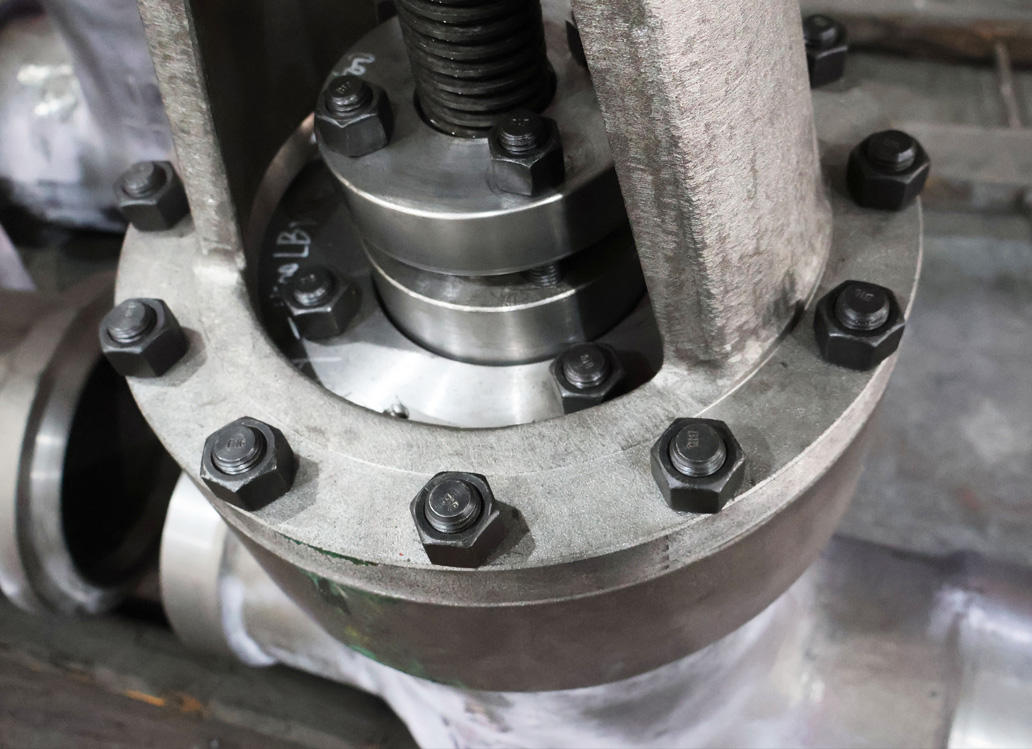
In a conventional gate valve, the bonnet is connected to the valve body using bolts and a gasket. The bolts provide the force required to compress the gasket and prevent leakage. However, in extremely high-pressure and high-temperature environments, bolt connections may experience stress relaxation due to thermal expansion and repeated temperature cycling.
A pressure sealed gate valve eliminates this limitation by using the internal pressure of the flowing medium to strengthen the sealing effect. The valve contains a special bonnet sealing structure, usually consisting of a pressure seal gasket or ring. When system pressure increases, the pressure pushes against the bonnet, increasing the contact force between the sealing surfaces. As a result, higher operating pressure creates a stronger seal.
This self-energizing sealing principle provides several advantages:
· Improved leakage prevention under high pressure
· Better performance during temperature fluctuations
· Reduced maintenance requirements
· Longer service life in critical applications
Main Structure of a Pressure Sealed Gate Valve
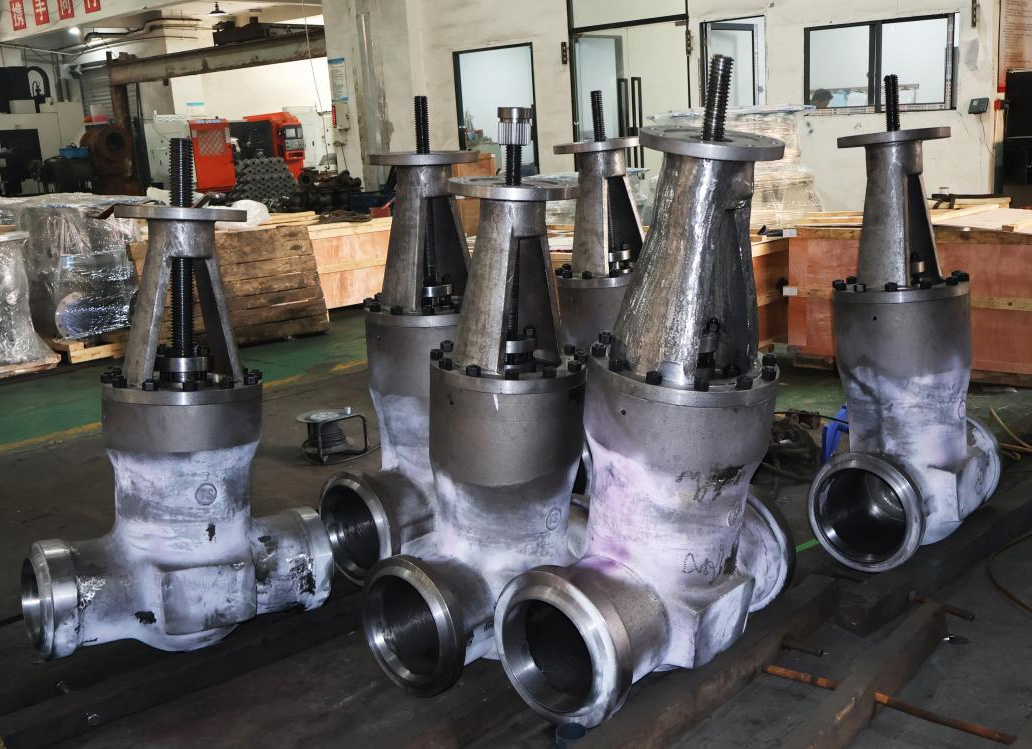
A typical pressure sealed gate valve consists of several important components:
1. Valve Body
The valve body is the main pressure-containing component. It is usually manufactured from high-strength materials such as:
· Carbon steel
· Stainless steel
· Alloy steel
· Chrome-moly steel
The body is designed to withstand high mechanical stress, temperature changes, and corrosive operating environments.
2. Pressure Sealed Bonnet
The pressure sealed bonnet is the key feature that distinguishes this valve from traditional gate valves. Instead of relying only on external bolts, the bonnet is locked into the valve body through a pressure-assisted sealing mechanism.
The higher the internal pressure, the tighter the bonnet seal becomes. This design is especially effective for high-pressure steam and power plant applications.
3. Gate
The gate is the shut-off element that moves vertically to control fluid flow. Common gate designs include:
· Flexible wedge gate
· Solid wedge gate
· Parallel slide gate
The gate provides a full opening when completely raised, minimizing pressure loss and allowing efficient flow.
4. Seat Rings
The valve seats provide the sealing surface between the gate and body. Seat designs may include:
· Integral seats
· Welded seat rings
· Renewable seat rings
Materials are selected according to operating conditions, including stainless steel, hard alloys, and corrosion-resistant materials.
5. Stem and Operating System
The stem transfers movement from the actuator or handwheel to the gate. Pressure sealed gate valves commonly use:
· Rising stem designs
· Outside screw and yoke (OS&Y) structures
· Manual handwheel operation
· Electric actuators· Pneumatic actuators
For large valves or high-pressure systems, gear operators or automated actuators are often used.
Advantages of Pressure Sealed Gate Valves
1. Excellent High-Pressure Performance
The biggest advantage of a pressure sealed gate valve is its ability to operate under extremely high pressure. The self-sealing bonnet design becomes stronger as pressure increases, making it ideal for applications where standard valves may experience leakage risks.
These valves are frequently used in:
· Supercritical and ultra-supercritical power plants
· High-pressure steam systems
· Oil refining facilities
· Chemical processing plants
2. Reliable High-Temperature Operation
Many industrial processes involve high-temperature fluids such as steam, hot oil, and chemical media. Pressure sealed gate valves are designed with materials and sealing structures capable of maintaining performance under elevated temperatures.
Typical applications include:
· Boiler systems
· Steam turbine systems
· Heat recovery systems· Thermal power generation equipment
3. Compact and Lightweight Design
Compared with equivalent bolted bonnet valves, pressure sealed gate valves generally have a more compact structure because they do not require large external bonnet bolts. This reduces weight and installation space, making them suitable for large industrial piping systems.
4. Reduced Maintenance Requirements
Because the bonnet sealing force increases automatically with system pressure, pressure sealed gate valves require less frequent adjustment and maintenance compared with traditional designs.
Proper material selection and manufacturing quality can provide long service life even under continuous operation.
Applications of Pressure Sealed Gate Valves
1. Power Generation Industry
The power industry is one of the largest application areas for pressure sealed gate valves. They are widely used in:
· Main steam pipelines
· Boiler feedwater systems
· Superheated steam systems
· Turbine bypass systems
Power plants require valves that can withstand high temperature, high pressure, and continuous operation. Pressure sealed gate valves meet these requirements through their robust design and reliable sealing performance.
2. Oil and Gas Industry
In oil and gas processing facilities, valves must handle high-pressure hydrocarbons, steam, and process fluids. Pressure sealed gate valves are used in:
· Refineries
· Petrochemical plants
· Pipeline systems
· Processing units
Their strong pressure resistance helps ensure safe operation in critical flow control systems.
3. Chemical and Petrochemical Industry
Chemical plants often operate under aggressive conditions involving high pressure, high temperature, and corrosive media. Pressure sealed gate valves can be manufactured with stainless steel, alloy steel, and special materials to meet these challenges.
Applications include:
· Chemical reactors
· Process pipelines
· High-temperature fluid systems
· Storage and transportation systems
4. Water and Steam Systems
Large industrial water systems and steam networks also use pressure sealed gate valves due to their low flow resistance and reliable shut-off capability.
They are commonly installed in:
· Industrial boilers
· District heating systems
· Large water circulation systems
Pressure Sealed Gate Valve Standards
High-quality pressure sealed gate valves are manufactured according to internationally recognized standards, including:
API 600
The API 600 standard covers steel gate valves for petroleum and petrochemical industries. Many pressure sealed gate valves used in oil, gas, and power applications are designed according to API 600 requirements.
ASME B16.34
This standard specifies pressure-temperature ratings, dimensions, materials, and testing requirements for industrial valves.
API 598
API 598 defines valve inspection and pressure testing requirements, including shell tests and seat leakage tests.
ASME B16.10
This standard provides face-to-face and end-to-end dimensions for valves, ensuring installation compatibility.
Common Materials Used in Pressure Sealed Gate Valves
Material selection depends on pressure, temperature, and media conditions.
Common materials include:
Carbon Steel
Examples:
· ASTM A216 WCB
Used for general high-pressure applications.
Forged Steel
Examples:
· ASTM A105
Suitable for smaller high-pressure valves requiring excellent mechanical strength.
Alloy Steel
Examples:
· ASTM A182 F11
· ASTM A182 F22
Used for high-temperature steam systems.
Stainless Steel
Examples:
· ASTM A351 CF8M
· ASTM A182 F316
Used for corrosive environments.
Difference Between Pressure Sealed Gate Valve and Bolted Bonnet Gate Valve
| Feature | Pressure Sealed Gate Valve | Bolted Bonnet Gate Valve |
|---|---|---|
| Sealing Method | Pressure-assisted seal | Bolted gasket seal |
| Application | High pressure and high temperature | General industrial service |
| Structure | More compact | Larger bonnet structure |
| Maintenance | Lower frequency | More gasket maintenance |
| Typical Industries | Power plants, petrochemical | General pipelines |
A pressure sealed gate valve is an advanced industrial valve designed for demanding high-pressure and high-temperature applications. Its unique pressure-assisted bonnet sealing structure provides superior leakage prevention, excellent durability, and reliable operation under severe conditions.
With advantages such as strong pressure resistance, compact design, low maintenance requirements, and long service life, pressure sealed gate valves have become essential components in modern power plants, oil and gas facilities, chemical industries, and other critical industrial systems.
Manufactured according to international standards such as API 600 and ASME B16.34, pressure sealed gate valves provide safe and efficient flow isolation solutions for industries where reliability and performance are essential. For high-pressure steam, energy, and process applications, they remain one of the most trusted valve solutions available worldwide.