How Power Plant Valves Ensure Safe and Efficient Energy Production?
September 06, 2026
Power plants are among the most complex industrial facilities, where thousands of components work together to convert various energy sources into electricity. Whether it is a coal-fired power plant, natural gas power station, nuclear facility, hydroelectric plant, or renewable energy system, valves play a critical role in controlling the flow of steam, water, gas, fuel, and other process fluids.
Power plant valves are not simply flow control devices; they are essential safety components that protect equipment, improve operational efficiency, and maintain stable energy production. Designed to withstand extreme temperatures, high pressures, and demanding operating conditions, high-performance valves ensure that power generation systems operate reliably throughout their service life.
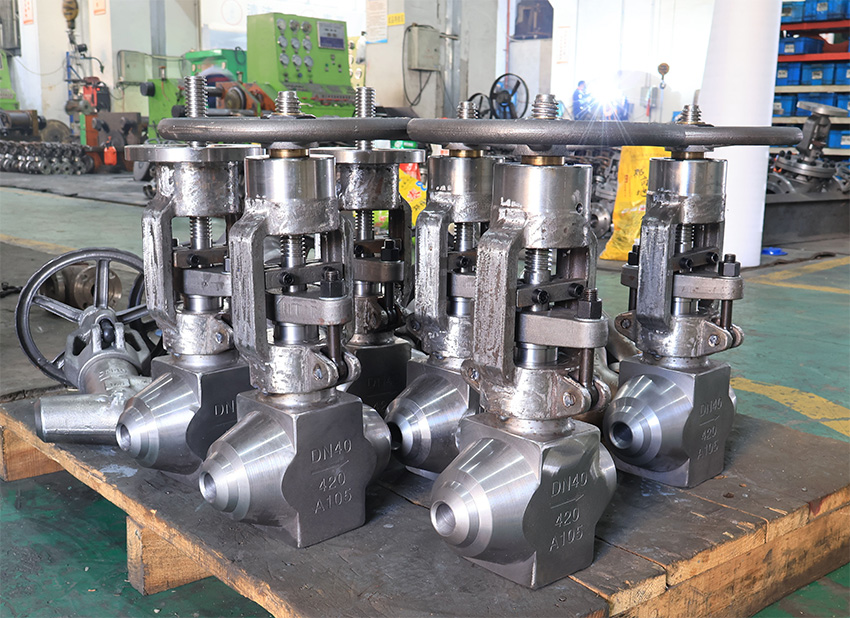
The Importance of Valves in Power Plant Operations
A power plant contains numerous systems that require precise fluid control. From the boiler feedwater system and steam turbine system to cooling water circuits and fuel supply lines, valves regulate the movement and isolation of different media.
The main functions of power plant valves include:
· Starting and stopping fluid flow
· Controlling flow rates and pressure levels
· Isolating equipment during maintenance
· Preventing reverse flow
· Protecting critical equipment from over pressure conditions
· Ensuring safe operation during emergency situations
Without reliable valves, power plants would face serious risks, including equipment damage, energy losses, unexpected shutdowns, and safety hazards.
Ensuring Safe Operation Under Extreme Conditions
Power generation equipment often operates under extremely demanding conditions. Modern ultra-supercritical and supercritical power plants may experience steam temperatures above 600°C and pressures exceeding 25 MPa. Under such conditions, ordinary valves cannot provide sufficient performance.
Power plant valves are specially engineered with:
· High-strength materials
· Pressure-resistant body designs
· Advanced sealing technologies
· High-temperature corrosion resistance
· Reliable operating mechanisms
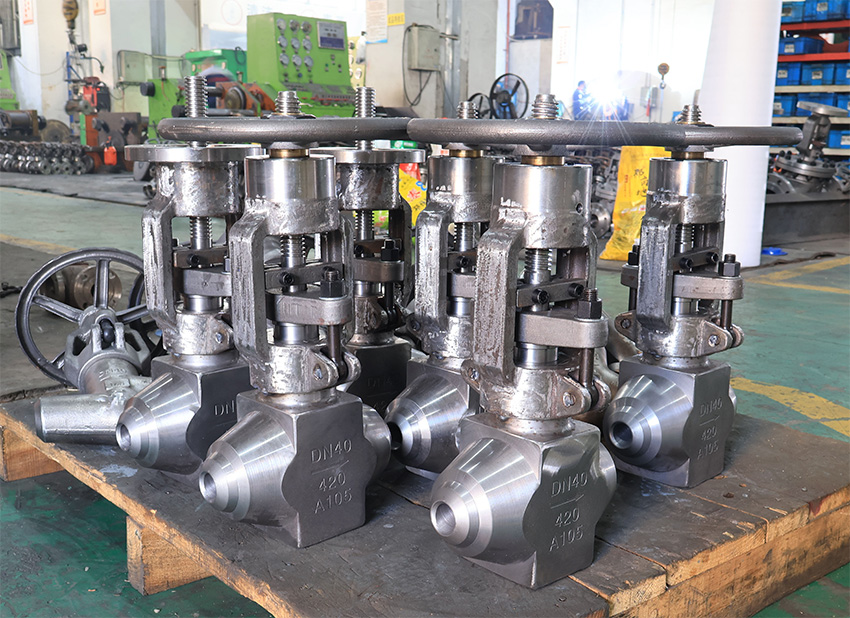
Materials such as forged steel, stainless steel, alloy steel, and special alloys are commonly selected for power plant valve manufacturing. These materials provide excellent mechanical strength and resistance against thermal stress, oxidation, and erosion.
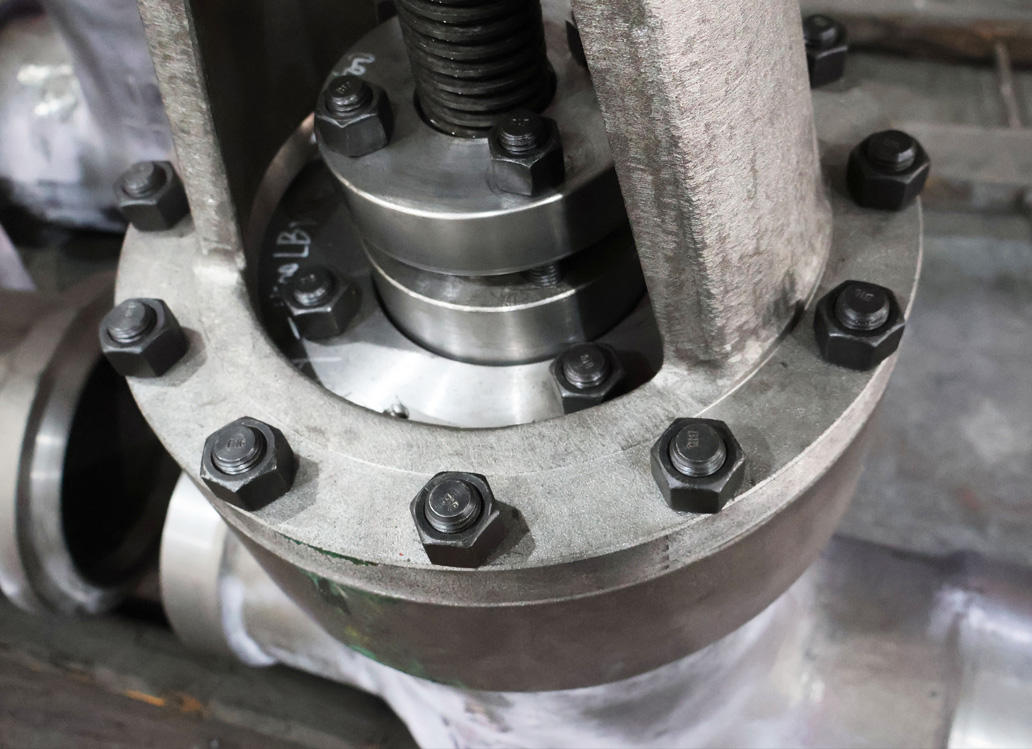
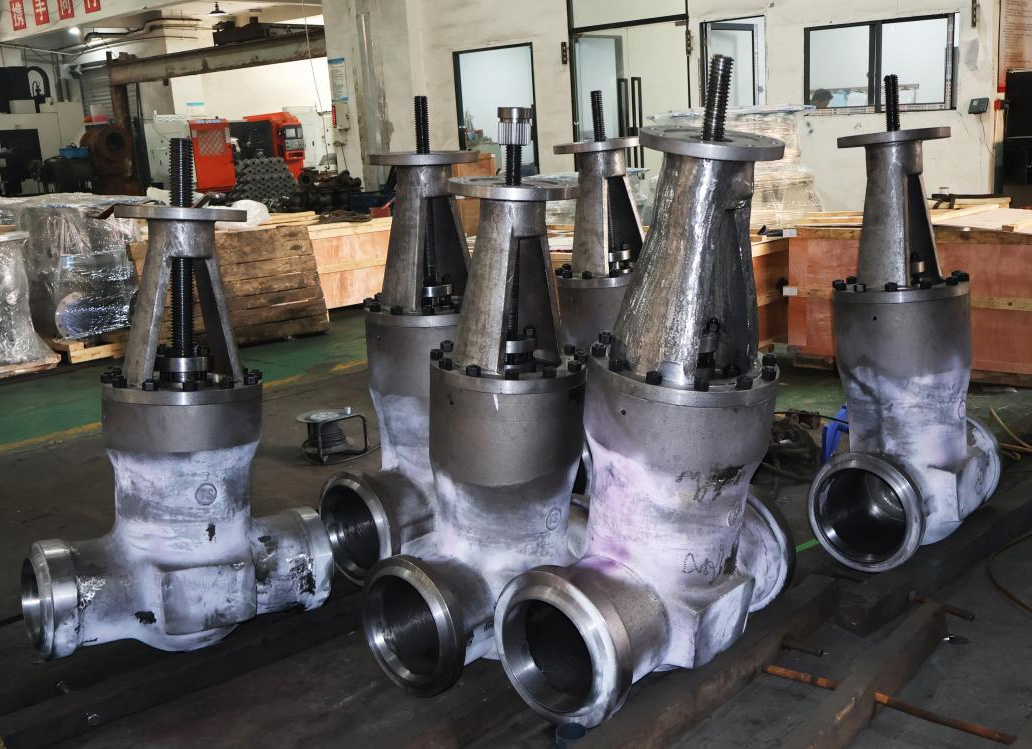
For example, pressure sealed gate valves and globe valves are widely used in high-pressure steam systems because their design allows the sealing force to increase as internal pressure rises. This ensures reliable sealing performance even under extreme operating conditions.
Steam System Control and Efficiency Improvement
Steam is one of the most important working fluids in thermal power plants. After water is heated in the boiler, high-pressure steam drives turbines to generate electricity. The efficiency and safety of this process depend heavily on accurate steam control.
Steam system valves are responsible for:
· Controlling steam flow to turbines
· Isolating boiler sections
· Managing startup and shutdown procedures
· Reducing pressure differences between systems
· Protecting pipelines from sudden pressure changes
High-performance globe valves, pressure sealed globe valves, and control valves provide accurate throttling performance. They help maintain stable steam conditions, allowing turbines to operate efficiently and reducing energy losses.
A properly selected steam valve minimizes pressure drops, reduces leakage, and improves the overall thermal efficiency of the power plant.
Preventing Leakage and Improving Reliability
Valve leakage is one of the major concerns in power plant applications. Leakage can lead to energy waste, equipment damage, and environmental problems. In steam systems, even a small amount of leakage can result in significant energy losses over long operating periods.
Modern power plant valves use advanced sealing technologies to achieve reliable performance, including:
· Metal-to-metal sealing
· Hard-faced sealing surfaces
· Bellows sealing systems
· Pressure-assisted sealing structures
· Graphite packing systems
Bellows sealed globe valves are especially suitable for applications requiring zero external leakage. They prevent process fluid from escaping through the valve stem area, making them ideal for high-temperature steam, hazardous fluids, and environmentally sensitive applications.
Reliable sealing also reduces maintenance requirements and extends the service life of plant equipment.
Protecting Equipment Through Flow Control
Power plant equipment such as boilers, turbines, pumps, and heat exchangers requires precise flow management. Incorrect flow conditions can cause vibration, overheating, cavitation, and mechanical failure.
Different valve types perform specific roles in protecting equipment:
Gate Valves
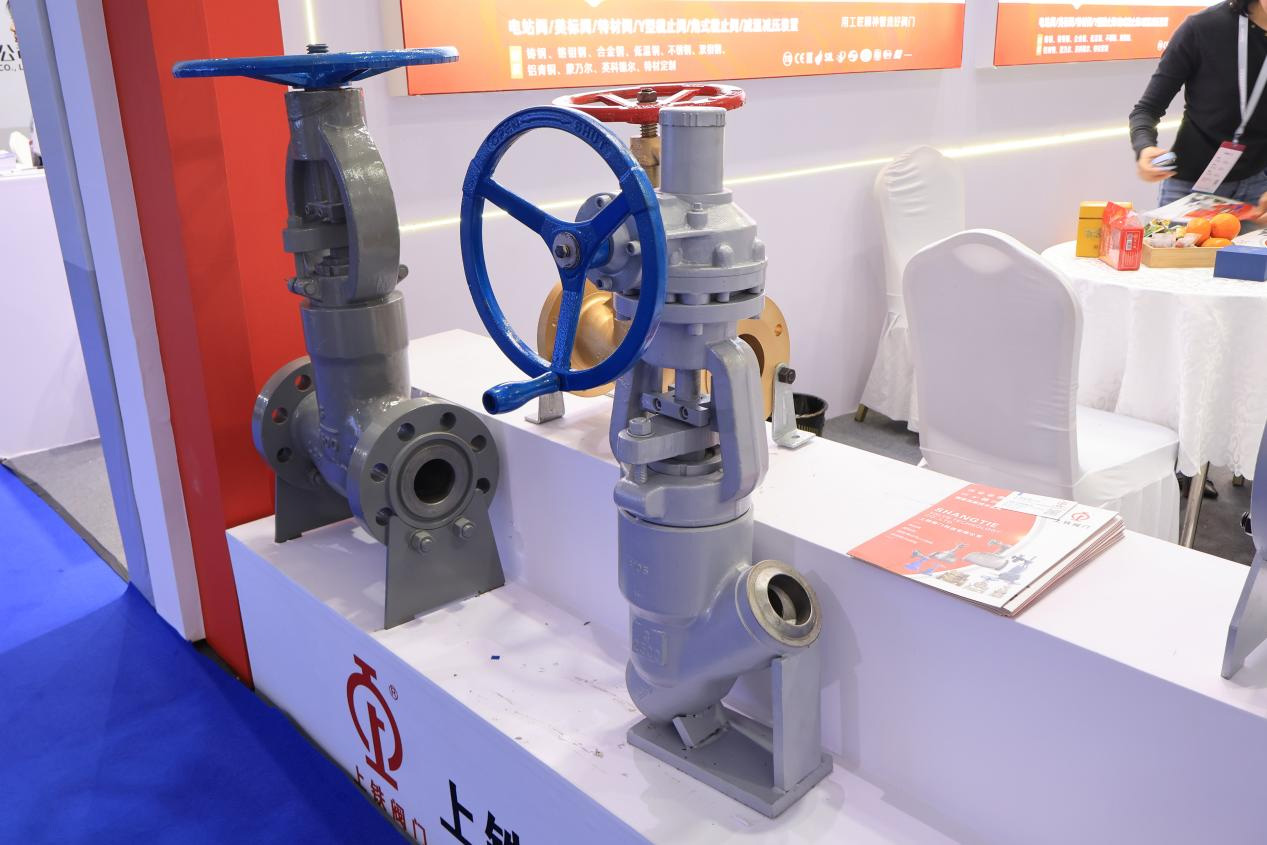
Gate valves are mainly used for full opening or full closing applications. They provide low flow resistance and are commonly installed in main steam lines, feedwater systems, and isolation applications.
Globe Valves
Globe valves are designed for flow regulation and throttling. They provide accurate control of fluid flow and are widely used in steam control systems.
Check Valves
Check valves prevent reverse flow, protecting pumps and other equipment from damage caused by backflow. Dual plate check valves, swing check valves, and axial check valves are commonly used in power plant piping systems.
Butterfly Valves
Butterfly valves offer compact designs and fast operation. They are frequently applied in cooling water systems, circulating water systems, and large-diameter pipelines.
Supporting Power Plant Safety Systems
Safety is the highest priority in power generation. Power plant valves contribute directly to emergency protection systems.
Safety-related valve applications include:
· Emergency shutdown systems
· Boiler protection systems
· Pressure relief systems
· Cooling system isolation
· Fuel supply control
During abnormal conditions, valves must respond quickly and reliably to isolate equipment or redirect process fluids.
For example, emergency shutdown valves can immediately stop fuel or steam flow when dangerous operating conditions occur, preventing accidents and minimizing equipment damage.
Improving Energy Efficiency and Reducing Operating Costs
Energy efficiency is a major goal for modern power plants. Efficient valve operation contributes to reducing fuel consumption and improving electricity output.
High-quality power plant valves help achieve efficiency improvements through:
· Reduced internal leakage
· Lower pressure losses
· Better flow regulation
· Longer maintenance intervals
· Improved system reliability
A valve with poor sealing performance may waste significant amounts of steam and energy. Therefore, selecting high-quality valves designed according to international standards is essential for long-term economic operation.
Importance of Valve Standards in Power Generation
Power plant valves must comply with strict international standards to ensure safety and reliability. Common standards include:
· API 600 for steel gate valves
· API 602 for forged steel valves
· API 623 for cast steel globe valves
· ASME standards for pressure equipment
· DIN standards for industrial valve applications
· GB standards for Chinese power industry requirements
Compliance with these standards ensures that valves meet requirements for pressure resistance, material quality, testing procedures, and operational reliability.
The Role of Advanced Valve Manufacturers
The performance of power plant valves depends not only on design but also on manufacturing quality. Experienced valve manufacturers focus on:
· Precision casting and forging processes
· Advanced machining technology
· Strict quality inspection
· Pressure testing
· Material traceability
· Customized engineering solutions
Professional manufacturers provide valves capable of meeting the specific requirements of different power generation systems, including thermal power plants, nuclear power plants, and renewable energy facilities.
Power plant valves are fundamental components that ensure safe, stable, and efficient energy production. By controlling fluid flow, preventing leakage, protecting equipment, and supporting emergency operations, valves contribute significantly to the reliability of modern power generation systems.
As power plants continue to move toward higher efficiency and more demanding operating conditions, the need for advanced high-temperature and high-pressure valves will continue to grow. Selecting reliable valve designs, quality materials, and experienced manufacturing partners is essential for achieving safe operation, reduced maintenance costs, and long-term energy production efficiency.