What Is a Pressure-Sealed Check Valve?
August 08, 2026
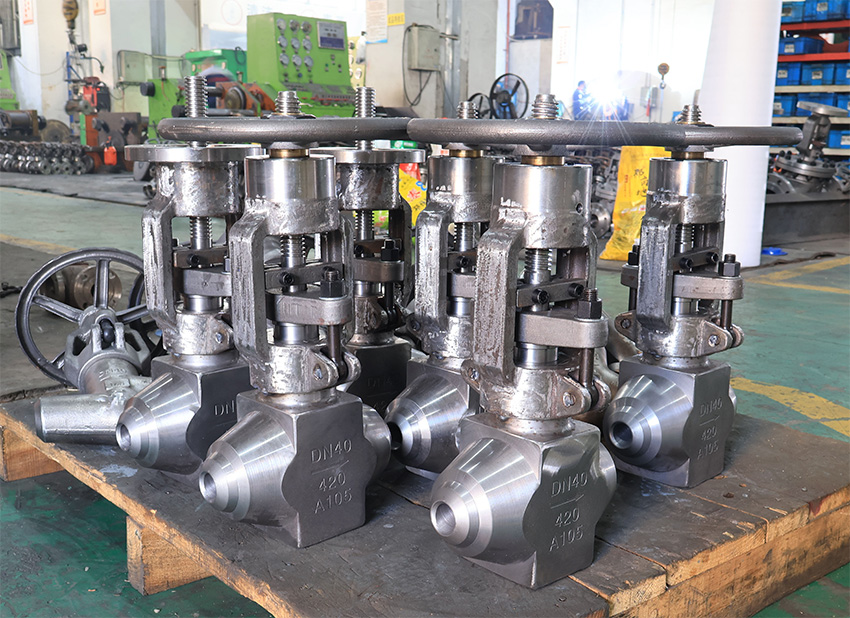
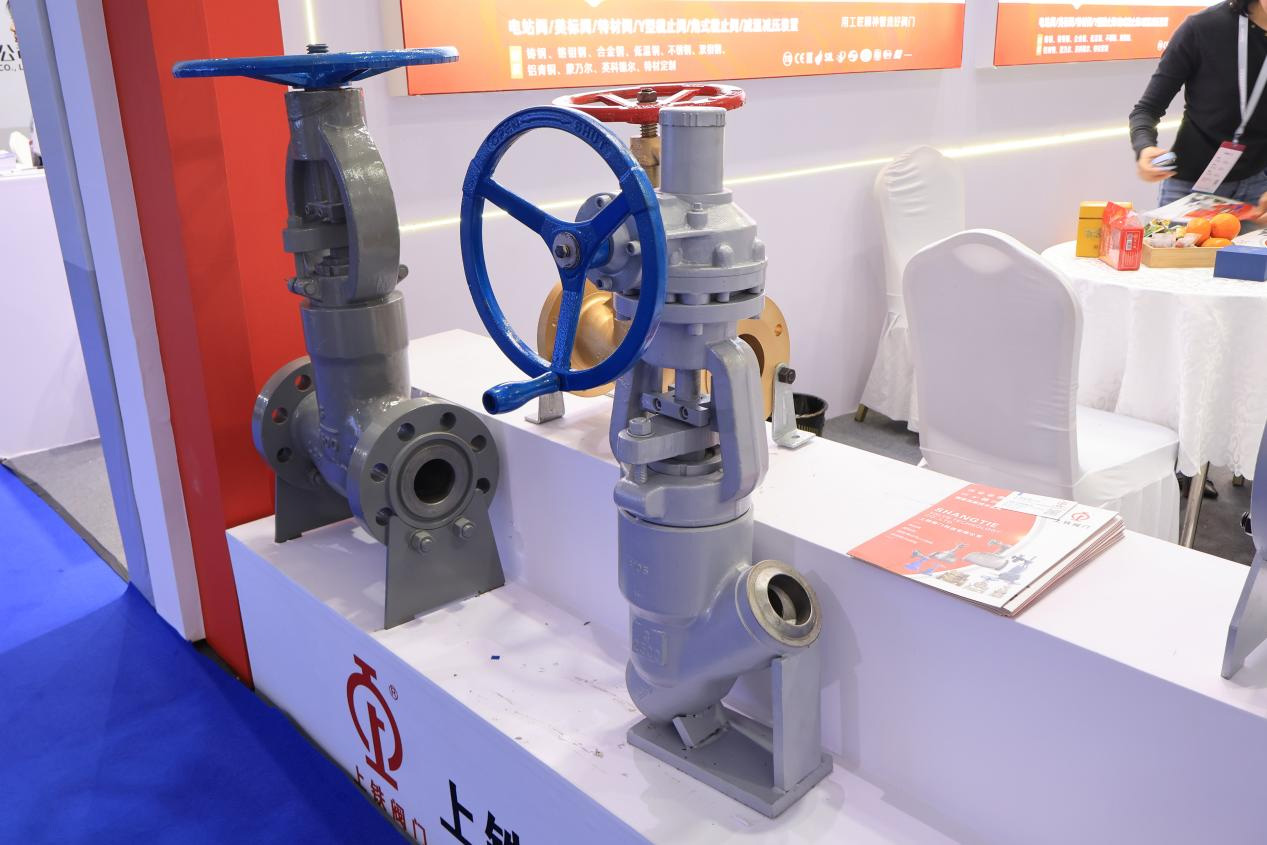
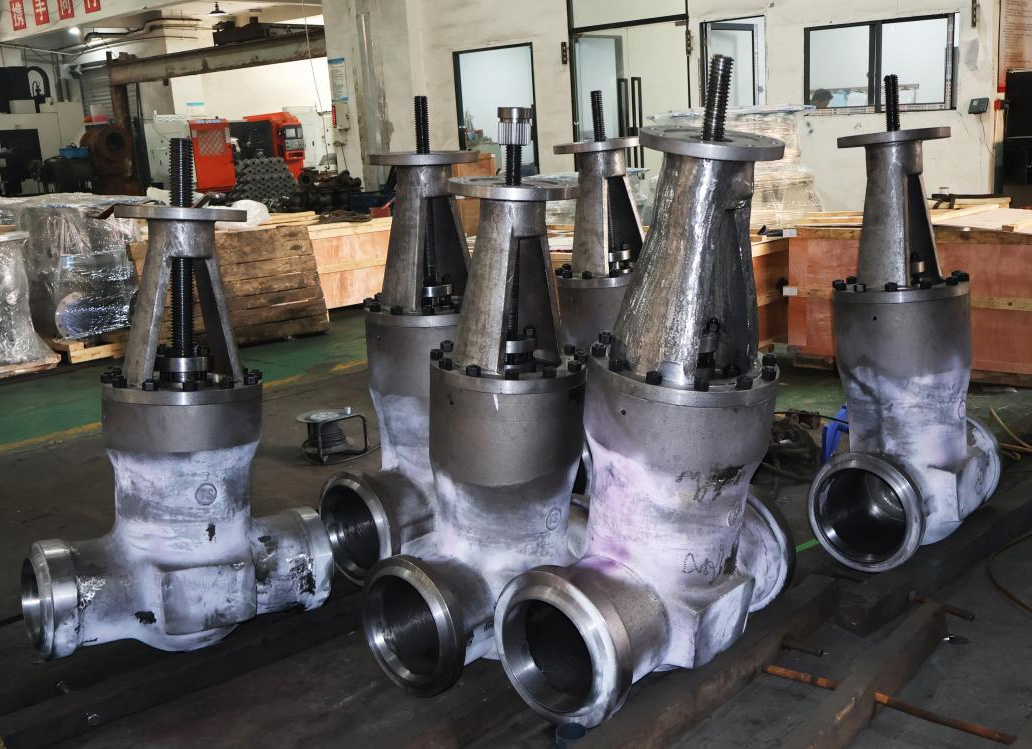
A pressure-sealed check valve is a high-pressure, non-return valve designed to allow fluid flow in only one direction while preventing reverse flow in industrial piping systems. Unlike conventional check valves with bolted covers or bonnet connections, a pressure-sealed check valve uses the internal system pressure to enhance the sealing force between the valve body and cover, providing superior leak prevention and reliability under extreme operating conditions.
Pressure-sealed check valves are widely used in power plants, oil and gas facilities, petrochemical plants, chemical processing systems, and high-pressure steam applications where safety, efficiency, and continuous operation are essential.
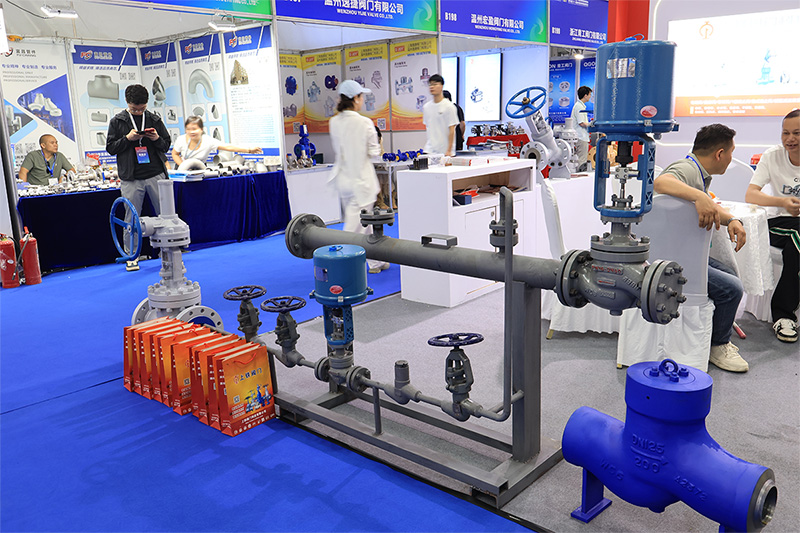
Working Principle of a Pressure-Sealed Check Valve
The main function of a check valve is automatic flow control. It does not require external operation because it responds directly to the pressure difference between the inlet and outlet sides.
When the inlet pressure is higher than the outlet pressure, the valve disc opens, allowing fluid to pass through. When the flow reverses or the outlet pressure becomes higher, the disc automatically closes, preventing backflow and protecting pumps, boilers, and other critical equipment.
The pressure-sealed design improves this operation by using internal pressure to increase the sealing force. As the system pressure rises, the pressure pushes the sealing components tighter together, reducing the possibility of leakage through the body-cover connection.
Main Components of a Pressure-Sealed Check Valve
A typical pressure-sealed check valve consists of several key components:
1. Valve Body
The valve body provides structural support and contains the pressure of the fluid system. It is usually manufactured from high-strength materials suitable for high-pressure and high-temperature environments.
2. Pressure-Sealed Cover or Bonnet
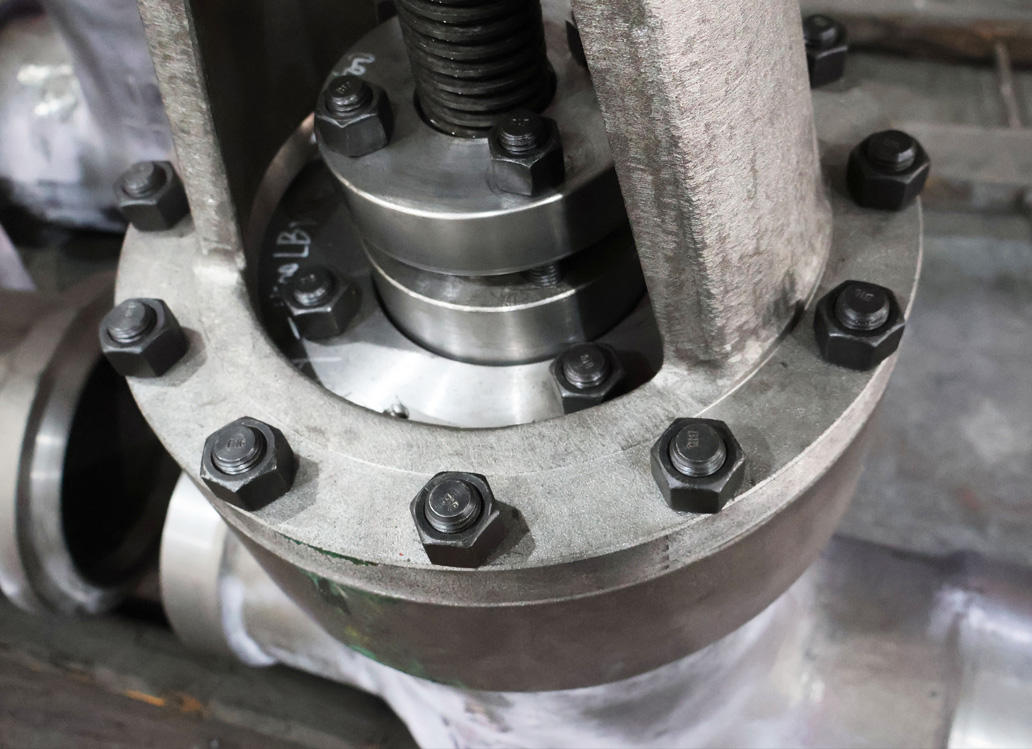
The pressure-sealed cover is the most important design feature. Instead of relying only on external bolts and gaskets, it uses internal pressure to improve sealing performance.
3. Disc
The disc moves automatically according to fluid pressure. It opens when flow moves in the correct direction and closes when reverse flow occurs.
4. Seat Ring
The seat provides the sealing surface between the disc and valve body, ensuring tight shutoff.
5. Hinge and Hinge Pin
In swing-type pressure-sealed check valves, the hinge mechanism controls disc movement and ensures smooth operation.
Features and Advantages of Pressure-Sealed Check Valves
1. Excellent High-Pressure Performance
Pressure-sealed check valves are designed for applications where operating pressure can reach very high levels. The self-sealing structure provides stronger sealing performance as pressure increases.
2. Reliable Backflow Prevention
The automatic closing function protects equipment from reverse flow, pressure surges, and potential damage. This is especially important in pumps, boilers, and steam systems.
3. Reduced Leakage Risk
The pressure-assisted sealing design minimizes external leakage and improves system safety compared with conventional valve designs.
4. Long Service Life
Heavy-duty construction, corrosion-resistant materials, and reduced mechanical stress allow pressure-sealed check valves to operate reliably for extended periods.
5. Low Maintenance Requirements
Because the valve operates automatically without external actuators, maintenance requirements are reduced, making it suitable for continuous industrial operation.
Types of Pressure-Sealed Check Valves
Depending on the application, pressure-sealed check valves are available in several designs:
Pressure-Sealed Swing Check Valve
A swing check valve uses a hinged disc that swings open and closed according to flow conditions. It is commonly used in large-diameter pipelines and power generation systems.
Pressure-Sealed Lift Check Valve
A lift check valve uses a vertically moving disc. It provides fast response and excellent sealing performance, making it suitable for high-pressure steam and process systems.
Pressure-Sealed Piston Check Valve
A piston design provides stable operation and is often used in applications requiring precise flow control and high-frequency operation.
Applications of Pressure-Sealed Check Valves
Power Generation Industry
Pressure-sealed check valves are widely used in:
· Boiler feedwater systems
· Main steam pipelines
· Turbine systems
· High-pressure steam lines
· Pump discharge systems
They help prevent reverse flow and protect expensive power equipment.
Oil and Gas Industry
Applications include:
· Refinery piping systems
· Pipeline transportation systems
· Gas processing facilities
· High-pressure hydrocarbon systems
Chemical and Petrochemical Industry
These valves are suitable for:
· Chemical process pipelines
· High-temperature fluid systems
· Reactor protection systems
· Industrial steam networks
Water and Energy Systems
They are used in high-pressure water circulation systems, pumping stations, and industrial utility networks.
Pressure-Sealed Check Valve Standards
High-quality pressure-sealed check valves are typically designed and manufactured according to international standards, including:
· API 602 – Compact forged steel gate, globe, and check valves
· API 6D – Pipeline valves
· ASME B16.34 – Valves with pressure-temperature ratings
· API 594 – Check valves
· API 598 – Valve inspection and pressure testing
· ASME Section VIII – Pressure equipment requirements
These standards ensure mechanical strength, pressure resistance, sealing performance, and operational safety.
Common Materials
Pressure-sealed check valves are manufactured using materials selected according to pressure, temperature, and fluid conditions:
· Carbon Steel (A216 WCB, A105)
· Stainless Steel (F304, F316)
· Alloy Steel (F11, F22)
· Special Alloys (Inconel, Hastelloy)
For high-temperature steam applications, alloy steel materials are often selected because of their excellent heat resistance and mechanical strength.
Pressure-Sealed Check Valve vs Conventional Check Valve
| Feature | Pressure-Sealed Check Valve | Conventional Check Valve |
|---|---|---|
| Sealing method | Pressure-assisted sealing | Bolted cover/gasket sealing |
| High-pressure capability | Excellent | Moderate |
| Leakage resistance | Superior | Good |
| Temperature performance | Higher | Standard |
| Typical applications | Power plants, steam systems, energy industries | General industrial piping |
A pressure-sealed check valve is an advanced industrial valve designed to provide reliable one-way flow control in high-pressure and high-temperature environments. Its unique pressure-assisted sealing structure improves safety, reduces leakage risks, and extends service life under demanding operating conditions.
With excellent performance in power generation, oil and gas, chemical processing, and energy industries, pressure-sealed check valves are an essential solution for protecting equipment and maintaining efficient industrial operations.