What Are Pressure Sealed Valves?
August 06, 2026
SHANGTIE is a professional valves manufacturer specializing in the design, engineering, production, and supply of high-quality industrial valves for global markets. With extensive experience in valve manufacturing, SHANGTIE provides reliable flow control solutions for demanding industries, including power generation, oil and gas, petrochemical, chemical processing, water treatment, and general industrial applications. The company manufactures a wide range of industrial valves, including gate valves, globe valves, check valves, ball valves, butterfly valves, plug valves, strainers, and customized valve solutions. Products are designed and manufactured according to international standards such as API, ASME, DIN, EN, and GB to ensure excellent performance, safety, and durability.
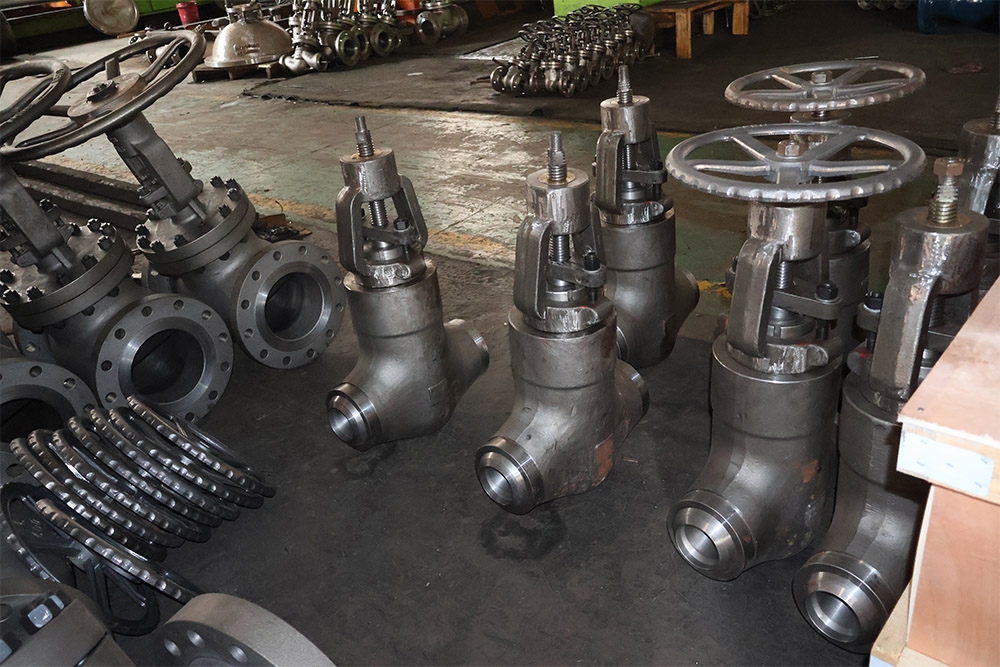
Pressure sealed valves are a specialized category of industrial valves designed for high-pressure and high-temperature applications where reliable sealing performance is essential. Unlike conventional bolted bonnet valves, pressure sealed valves use the internal system pressure to enhance the sealing force between the valve body and bonnet connection. As operating pressure increases, the sealing force also increases, providing improved leakage prevention and long-term operational reliability.
Pressure sealed valve technology is widely used in industries where equipment safety, continuous operation, and resistance to extreme conditions are critical, such as power generation, oil and gas, petrochemical processing, chemical plants, and steam systems.
The main advantage of pressure sealed construction is its ability to maintain a tight seal under severe service conditions. This makes pressure sealed valves an ideal solution for high-pressure steam, superheated steam, feedwater systems, and other demanding applications.
Working Principle of Pressure Sealed Valves
The key feature of a pressure sealed valve is the bonnet sealing mechanism. In traditional valves, the bonnet is connected to the body using multiple bolts, and the gasket provides the sealing function. However, under very high pressure and temperature, bolted bonnet designs may experience gasket stress relaxation, bolt expansion, or leakage problems.
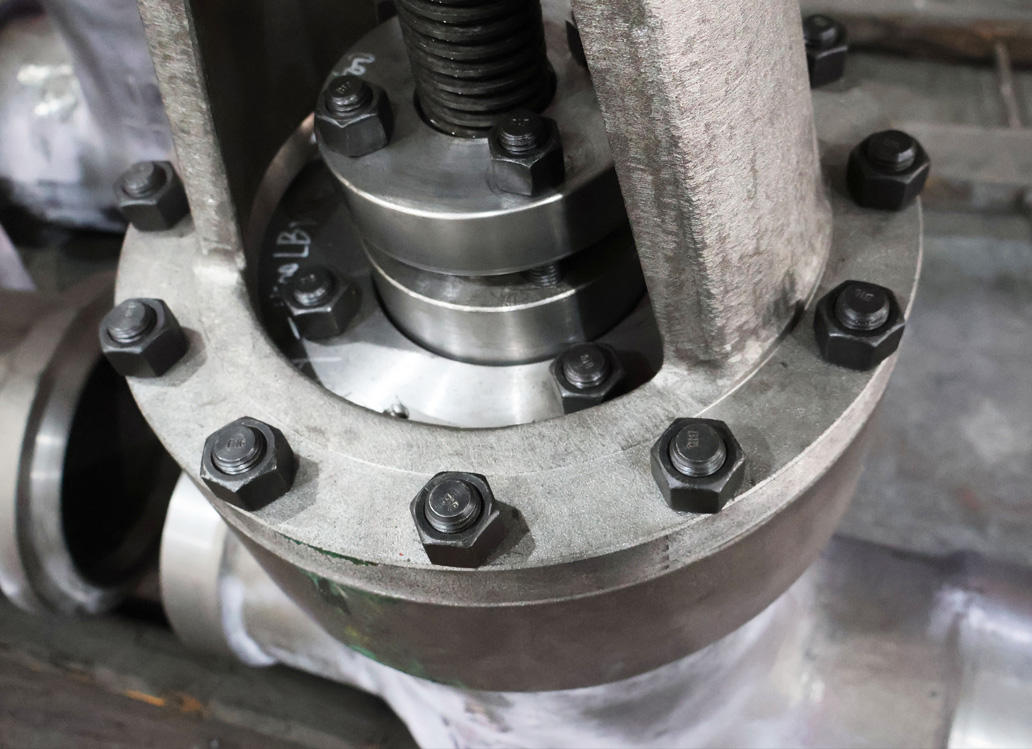
A pressure sealed valve uses a pressure-energized sealing system. The valve bonnet is inserted into the valve body, and an internal pressure seal gasket is installed between the bonnet and body. When the valve is pressurized, the internal fluid pressure pushes the bonnet upward, compressing the gasket and increasing the sealing force.
This self-tightening effect provides:
· Improved sealing performance at high pressure
· Reduced risk of leakage
· Longer service life
· Better suitability for thermal cycling conditions
Because the sealing force increases with system pressure, pressure sealed valves are especially suitable for applications above Class 600 pressure ratings.
Main Types of Pressure Sealed Valves
Pressure sealed designs are available in several valve types depending on the flow control requirements and industry application.
1. Pressure Sealed Gate Valves
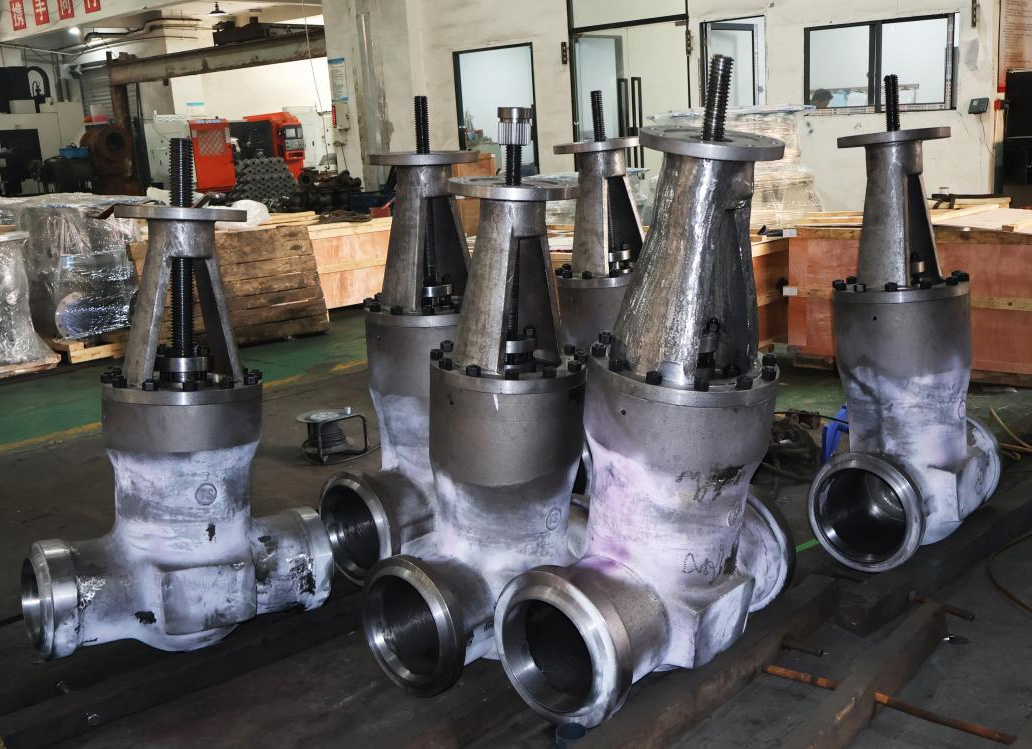
Pressure sealed gate valves are commonly used for isolation service in high-pressure pipelines. They provide full flow passage when open, minimizing pressure loss and turbulence.
Features:
· Rising stem design
· Wedge gate structure
· Metal-to-metal sealing
· Low flow resistance
· Suitable for large diameter pipelines
Pressure sealed gate valves are widely applied in:
· Power plant main steam systems
· Boiler feedwater systems
· Oil and gas transmission
· High-pressure process pipelines
Common designs include:
· Flexible wedge gate valves
· Parallel slide gate valves
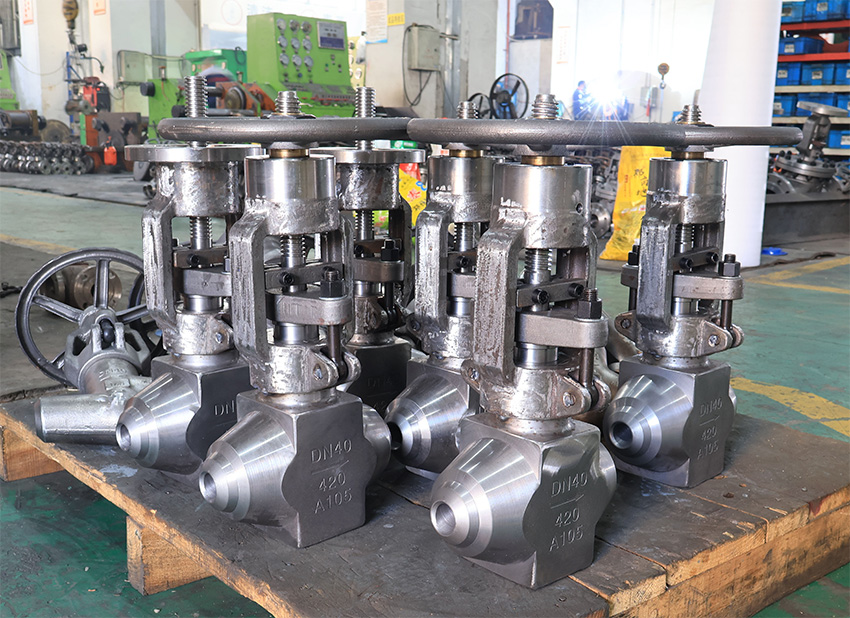
· Forged steel pressure sealed gate valves
2. Pressure Sealed Globe Valves
Pressure sealed globe valves are mainly used for throttling and flow regulation. Their globe-shaped body design provides excellent control performance and sealing reliability.
Features:
· Excellent flow regulation capability
· High-pressure resistance
· Reliable shut-off performance
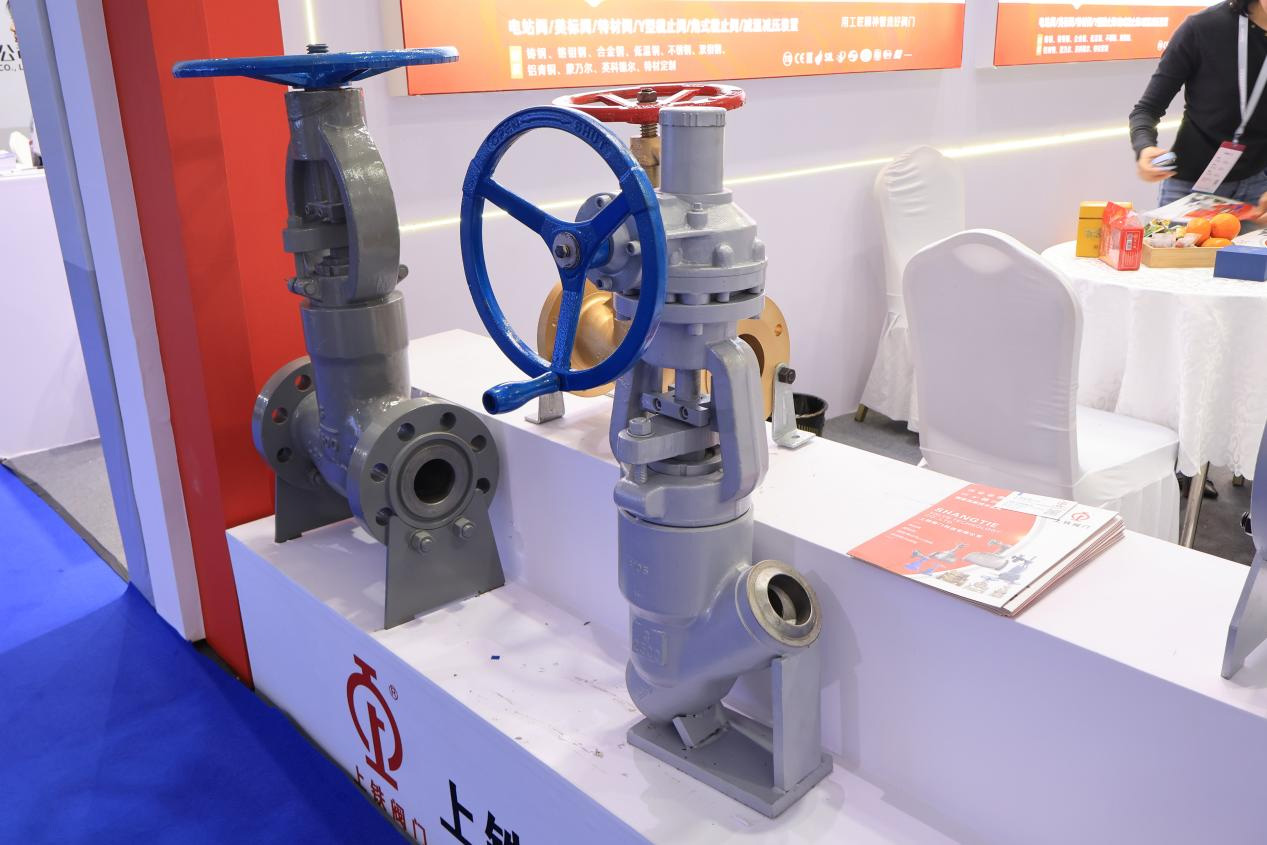
· Optional straight pattern or angle pattern design
Typical applications include:
· Steam control systems
· Superheated steam lines
· Boiler systems
· Chemical processing equipment
Pressure sealed globe valves are commonly selected where precise flow control and high-temperature resistance are required.
3. Pressure Sealed Check Valves
Pressure sealed check valves prevent reverse flow in high-pressure systems. They automatically operate without external control by using the pressure difference of the medium.
Common designs include:
· Pressure sealed swing check valves
· Pressure sealed lift check valves
· Pressure sealed axial flow check valves
Advantages:
· Fast response
· Low pressure drop
· High sealing reliability
· Suitable for critical safety systems
Applications include:
· Steam turbine protection systems
· Boiler outlet pipelines
· Pump discharge systems
· High-pressure water systems
Applications of Pressure Sealed Valves
Pressure sealed valves are mainly used in industries requiring continuous operation under extreme pressure and temperature conditions.
1. Power Generation Industry
The power industry is one of the largest application areas for pressure sealed valves. Modern power plants operate with extremely high steam temperatures and pressures, requiring valves with excellent mechanical strength and sealing performance.
Applications include:
· Main steam isolation valves
· Superheated steam systems
· Boiler feedwater systems
· Turbine bypass systems
· High-pressure drain systems
Pressure sealed globe valves and gate valves are especially common in:
· Coal-fired power plants
· Nuclear power plants
· Combined cycle power plants
2. Oil and Gas Industry
Oil and gas facilities require valves capable of handling high-pressure fluids, hydrocarbons, and extreme operating environments.
Applications include:
· Refinery processing units
· High-pressure pipelines
· Gas compression stations
· Petrochemical plants
Pressure sealed valves provide:
· Reliable shut-off
· Reduced maintenance requirements
· Long-term leakage prevention
3. Chemical and Petrochemical Industry
Chemical plants often operate with corrosive, high-temperature, and high-pressure media. Pressure sealed valves help maintain process safety and operational efficiency.
Typical applications:
· Reactor systems
· Steam distribution networks
· Heat exchanger systems
· High-pressure chemical pipelines
Suitable materials may include:
· Carbon steel
· Stainless steel
· Alloy steel
· Chrome moly steel
4. Steam Systems
Steam applications require valves capable of handling thermal expansion, pressure fluctuations, and frequent cycling.
Pressure sealed valves are commonly used for:
· High-pressure steam lines
· Boiler systems
· Steam headers
· Steam turbine systems
Their strong sealing capability helps prevent steam leakage and improves plant efficiency.
Key Features of Pressure Sealed Valves
1. Self-Energized Sealing System
The most important feature is the pressure-assisted sealing design. Higher system pressure creates stronger sealing force, improving reliability.
2. High Temperature and High Pressure Capability
Pressure sealed valves are engineered for severe service conditions, including:
· High-pressure steam
· Elevated temperatures
· Thermal cycling
· Continuous operation
They are commonly manufactured for:
· ASME Class 600
· Class 900
· Class 1500
· Class 2500 pressure ratings
3. Compact and Strong Construction
Compared with large bolted bonnet valves, pressure sealed valves provide:
· Reduced weight
· Smaller installation space
· Higher pressure capability
This is especially beneficial in power plants and compact industrial systems.
4. Excellent Leakage Prevention
The pressure energized gasket design reduces the possibility of:
· External leakage
· Seal failure
· Maintenance downtime
This improves plant safety and environmental protection.
5. Long Service Life
Pressure sealed valves are designed for:
· Continuous operation
· Frequent thermal changes
· High-pressure cycles
Proper material selection and manufacturing processes allow long-term service performance.
Common Materials for Pressure Sealed Valves
Material selection depends on operating pressure, temperature, and media conditions.
Common materials include:
Carbon Steel
Examples:
· ASTM A216 WCB
Applications:
· General high-pressure steam
· Power plant systems
Forged Steel
Examples:
· ASTM A105N
Applications:
· High-pressure small-diameter pipelines
· Steam and process systems
Alloy Steel
Examples:
· WC6
· WC9
· C12A
Applications:
· High-temperature steam service
· Boiler systems
Stainless Steel
Examples:
· ASTM A351 CF8
· CF8M
Applications:
· Corrosive environments
· Chemical processing
Standards for Pressure Sealed Valves
Pressure sealed valves are manufactured according to international standards to ensure safety, interchangeability, and performance.
API Standards
API 600
Steel gate valves with bolted and pressure sealed bonnet designs.
API 602
Compact forged steel gate, globe, and check valves.
API 623
Steel globe valves for general industrial applications.
API 6D
Pipeline valves for oil and gas transmission systems.
ASME Standards
ASME B16.34
Covers pressure-temperature ratings, valve dimensions, and design requirements.
ASME B16.5
Covers flange dimensions and pressure ratings.
ASME B16.10
Defines face-to-face and end-to-end dimensions.
Other Standards
DIN Standards
Used widely in European industrial applications.
EN Standards
Provide European requirements for industrial valves.
GB Standards
Commonly applied in Chinese industrial projects.
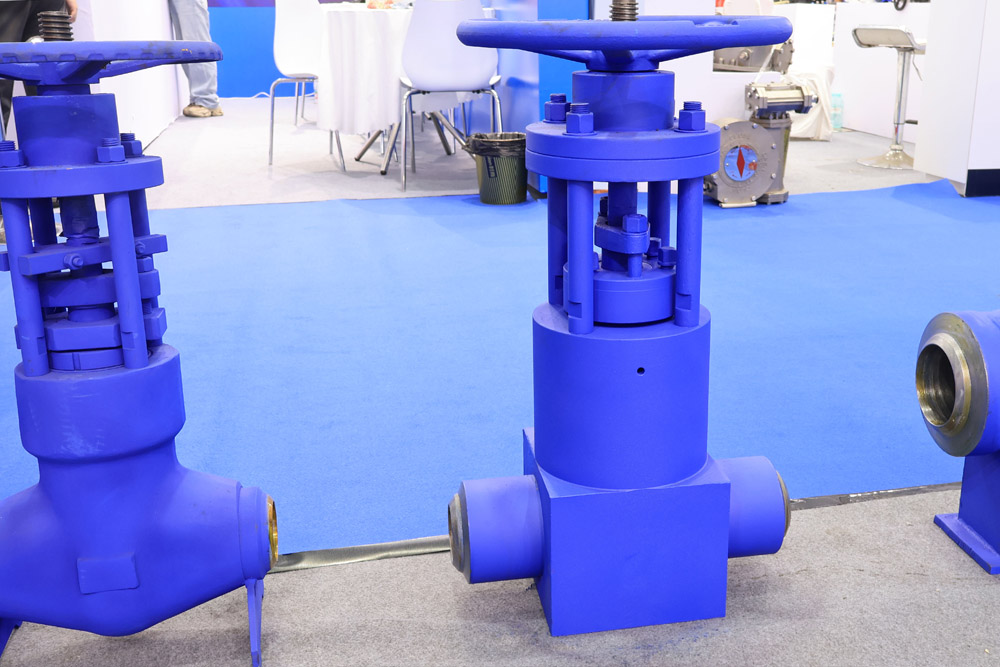
By focusing on advanced manufacturing technology, strict quality control, and continuous improvement, SHANGTIE delivers valves with superior sealing performance, high-pressure and high-temperature resistance, corrosion protection, and long service life. From material selection and casting to machining, assembly, and testing, every production stage is carefully controlled to meet customer requirements.
As a trusted professional valves manufacturer, SHANGTIE is committed to providing comprehensive valve solutions, technical support, and reliable service to customers worldwide. The company continues to develop innovative valve technologies to meet the evolving needs of modern industries and contribute to safer, more efficient industrial operations.