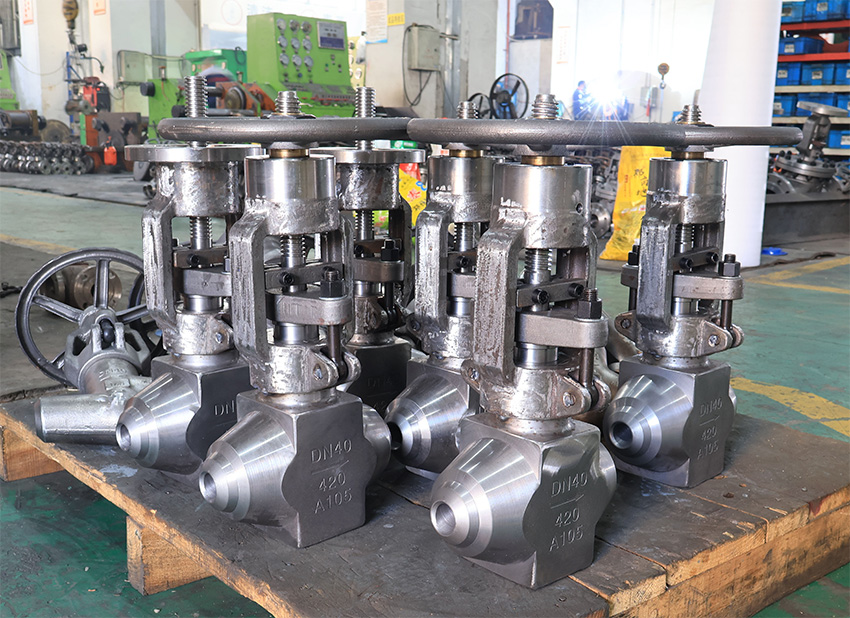
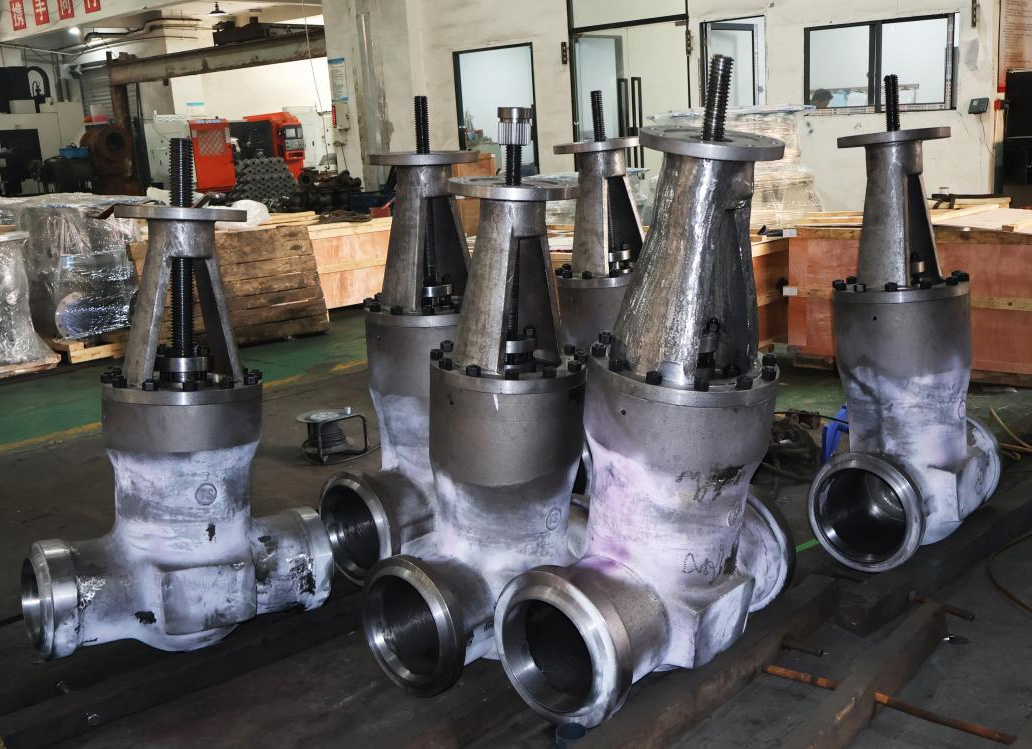
What Is a Pressure-Sealed Globe Valve?
August 03, 2026
A pressure-sealed globe valve is a high-pressure industrial valve designed to regulate and shut off fluid flow while maintaining reliable sealing performance under extreme pressure and temperature conditions. Unlike conventional bolted bonnet globe valves, a pressure-sealed globe valve uses the internal system pressure to enhance the sealing force between the valve body and bonnet, providing a stronger and more dependable seal as operating pressure increases.
Pressure-sealed globe valves are widely used in industries where safety, durability, and leak prevention are critical, including power generation, oil and gas, petrochemical, chemical processing, and steam systems. They are especially suitable for applications involving high-pressure steam, superheated water, and other demanding process fluids.
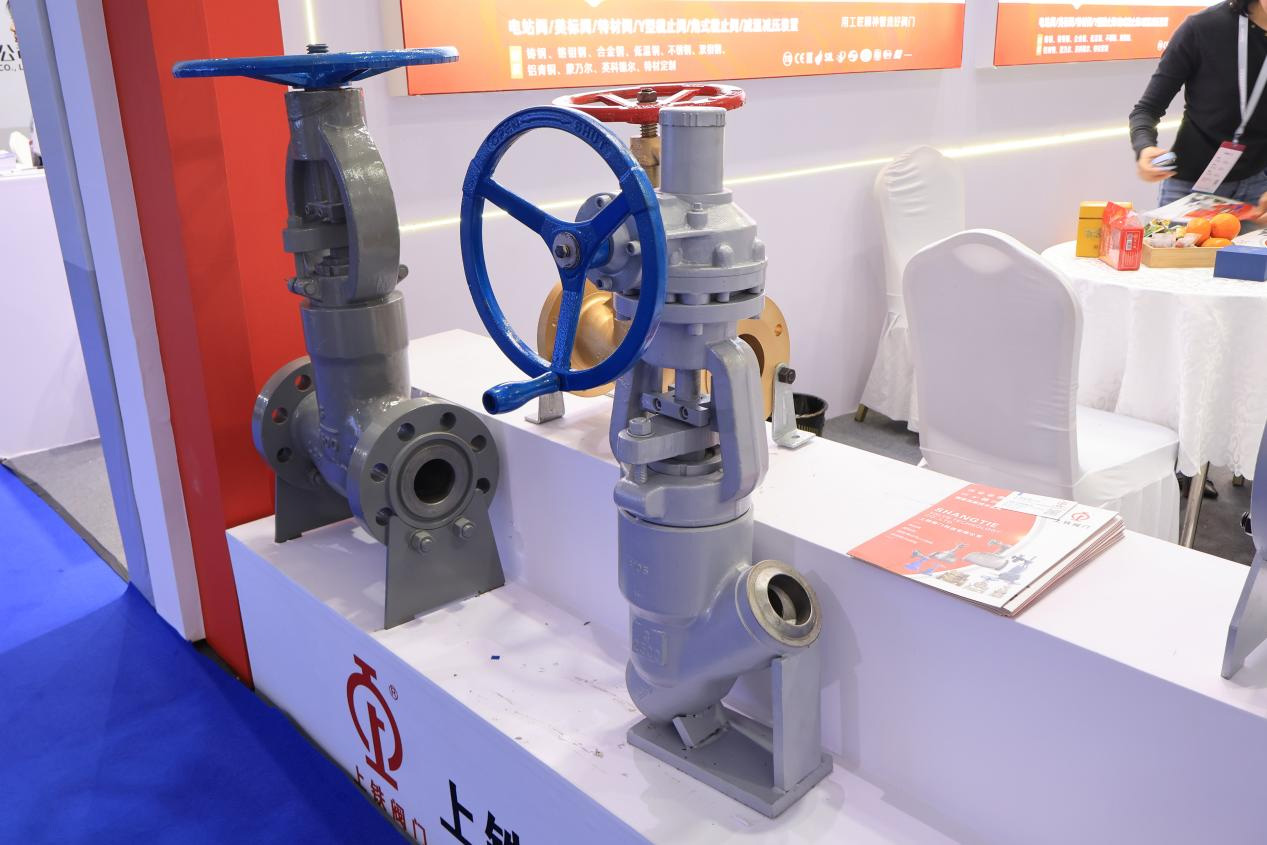
Working Principle of a Pressure-Sealed Globe Valve
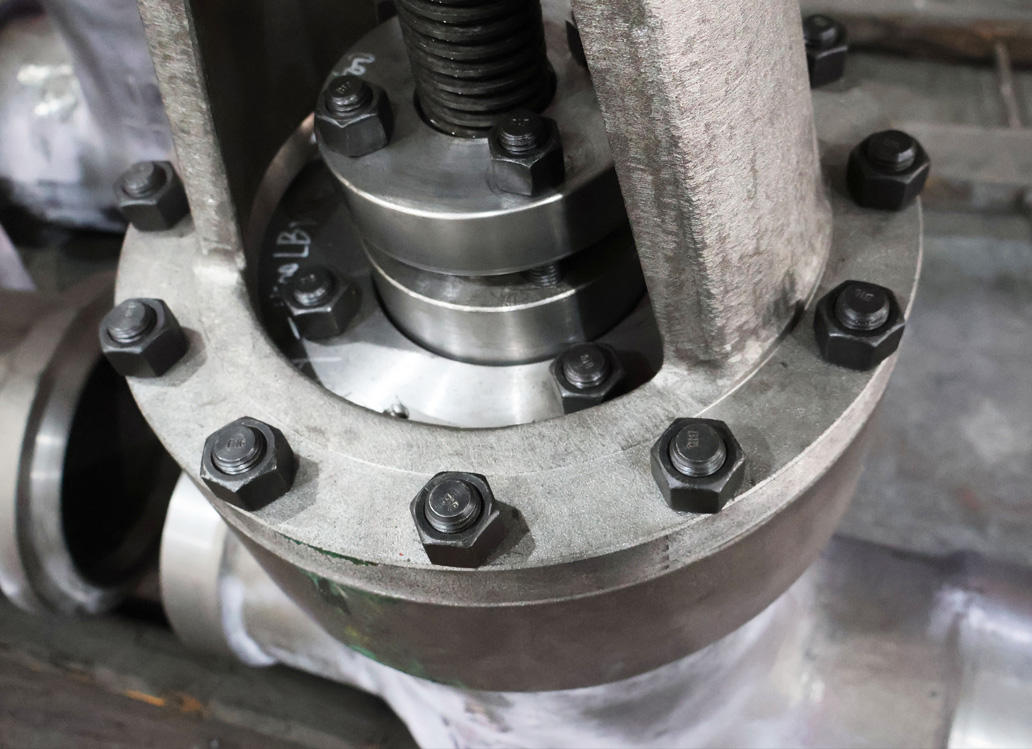
The key feature of a pressure-sealed globe valve is its self-sealing bonnet design. In a traditional globe valve, the bonnet is connected to the body with bolts and a gasket. However, in high-pressure applications, gasket stress and bolt loading can become challenging.
A pressure-sealed globe valve uses a special bonnet arrangement where internal pressure pushes the sealing components tighter together. As the system pressure increases, the sealing force also increases, reducing the possibility of leakage.
The main operating components include:
· Valve body: The pressure-containing shell that withstands internal pressure and temperature.
· Pressure-sealed bonnet: Creates a pressure-assisted seal with the valve body.
· Stem: Transfers movement from the actuator or handwheel to the valve disc.
· Disc and seat: Control fluid flow and provide shutoff capability.
· Packing system: Prevents leakage around the valve stem.
When the valve stem moves downward, the disc contacts the seat to stop flow. When the stem moves upward, the disc separates from the seat, allowing fluid to pass through the valve.
Main Features of Pressure-Sealed Globe Valves
1. Excellent High-Pressure Sealing Performance
The pressure-assisted sealing design allows the valve to handle very high-pressure environments. The greater the internal pressure, the stronger the sealing force between the bonnet and body.
2. Suitable for High-Temperature Applications
Pressure-sealed globe valves are commonly manufactured using high-strength materials such as forged steel, carbon steel, stainless steel, and alloy steel. These materials provide excellent resistance to heat, corrosion, and mechanical stress.
3. Reliable Flow Regulation
Globe valves are known for their precise throttling capability. The linear movement of the disc allows accurate control of fluid flow, making pressure-sealed globe valves ideal for applications requiring frequent adjustment.
4. Long Service Life
The robust construction and reduced leakage risk help extend operating life, especially in power plants and industrial facilities where continuous operation is required.
5. Enhanced Safety
By minimizing external leakage and maintaining stable sealing performance, pressure-sealed globe valves improve system safety and reduce maintenance requirements.
Applications of Pressure-Sealed Globe Valves
Pressure-sealed globe valves are mainly used in high-pressure and high-temperature industries, including:
Power Generation Industry
· They are commonly installed in:
· Boiler feedwater systems
· Main steam lines
· Superheated steam systems
· Turbine bypass systems
Power plants require valves capable of handling high pressure and temperature fluctuations, making pressure-sealed globe valves an ideal choice.
Oil and Gas Industry
· These valves are used for:
· Refinery process systems
· High-pressure pipelines
· Steam injection systems
· Hydrocarbon processing equipment
Chemical and Petrochemical Industry
· Pressure-sealed globe valves provide reliable control for:
· High-temperature chemical processes
· Reactor systems
Process steam applications
Water Treatment and Energy Systems
They are also applied in high-pressure water circulation and industrial utility systems.
Pressure-Sealed Globe Valve Standards
High-quality pressure-sealed globe valves are generally designed and manufactured according to international standards, including:
· API 602 – Compact forged steel gate, globe, and check valves
· ASME B16.34 – Valves with pressure-temperature ratings
· API 623 – Steel globe valves for refinery services
· ASME Section VIII – Pressure equipment requirements
· EN/DIN standards – European industrial valve requirements
Manufacturers typically perform pressure tests according to API 598 or equivalent standards to ensure valve reliability and safety.
Common Materials
Depending on operating conditions, pressure-sealed globe valves can be manufactured from:
· Carbon Steel (A216 WCB, A105)
· Stainless Steel (F304, F316)
· Alloy Steel (F11, F22)
· Special alloys such as Inconel or Hastelloy
Material selection depends on pressure rating, temperature, corrosion resistance, and the characteristics of the medium.
Advantages Compared with Conventional Globe Valves
| Feature | Pressure-Sealed Globe Valve | Conventional Globe Valve |
|---|---|---|
| Sealing method | Pressure-assisted sealing | Bolted bonnet gasket sealing |
| High-pressure performance | Excellent | Limited |
| Temperature resistance | Higher | Moderate |
| Leakage prevention | Superior | Good |
| Maintenance requirements | Lower in severe conditions | Higher under extreme pressure |
A pressure-sealed globe valve is a high-performance flow control solution designed for demanding industrial applications. Its unique pressure-assisted sealing structure provides superior reliability, excellent leakage protection, and long-term performance in high-pressure and high-temperature environments.
For industries such as power generation, oil and gas, petrochemical processing, and steam systems, pressure-sealed globe valves offer a safe and efficient method for controlling critical process fluids. With advanced design, durable materials, and compliance with international standards, they remain an essential component in modern industrial piping systems.