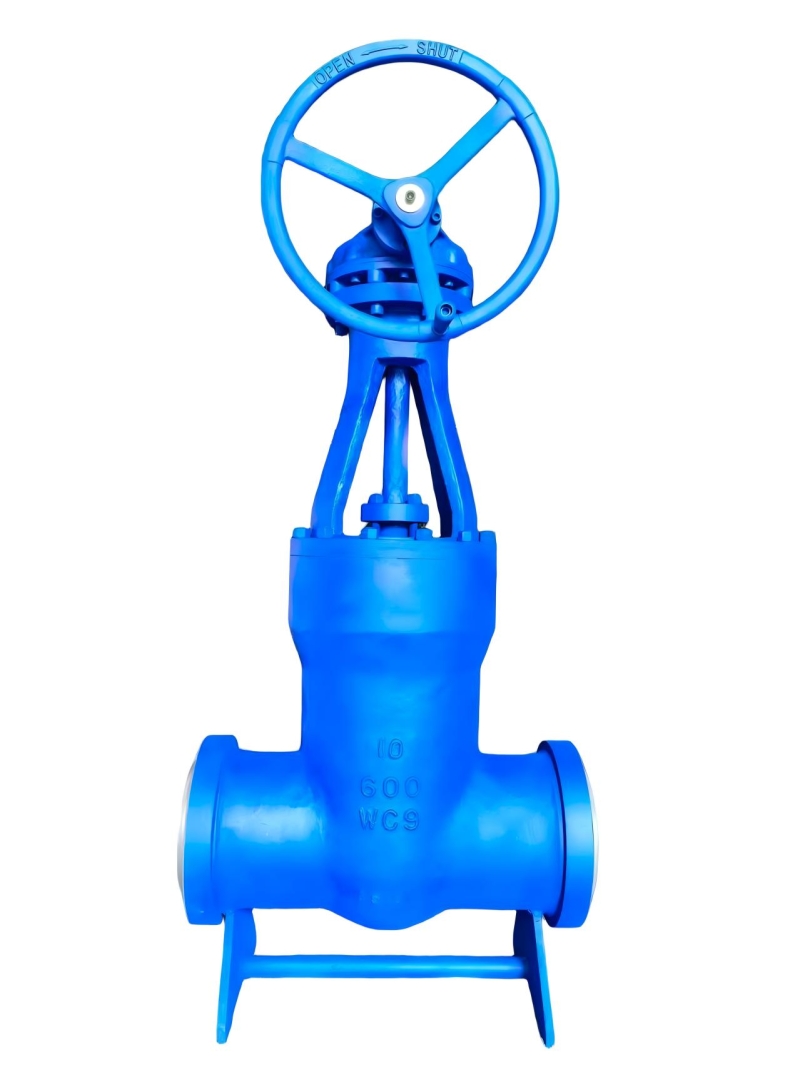
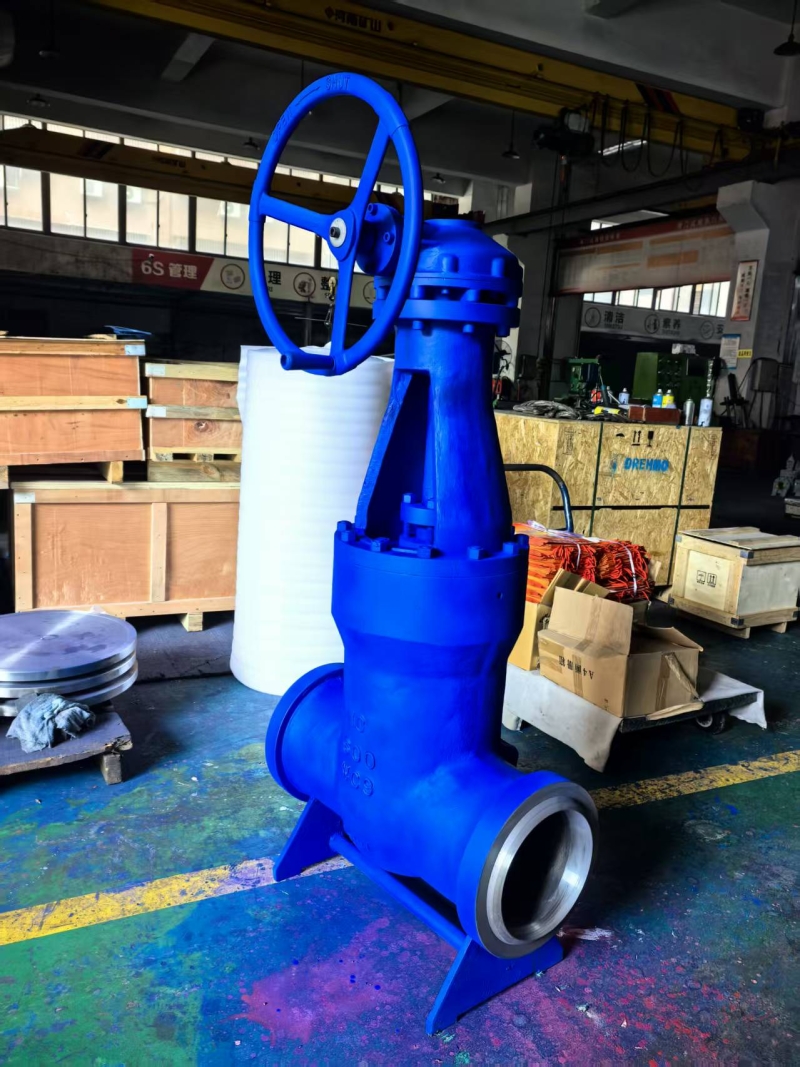
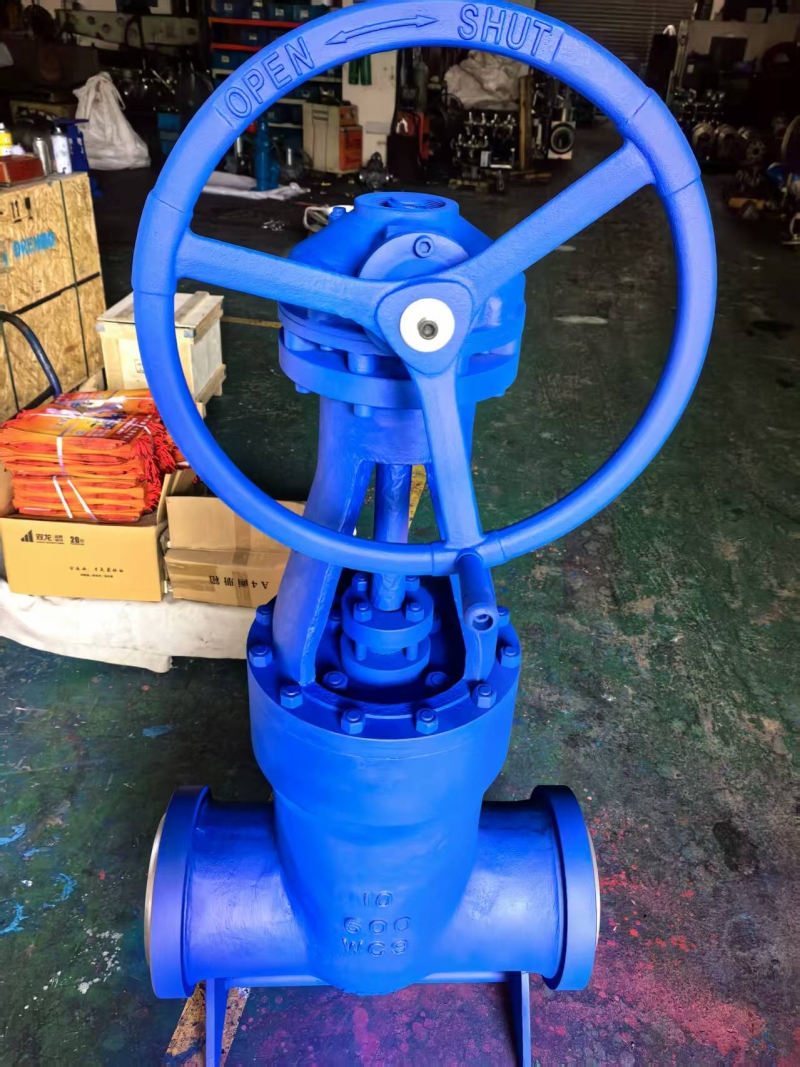
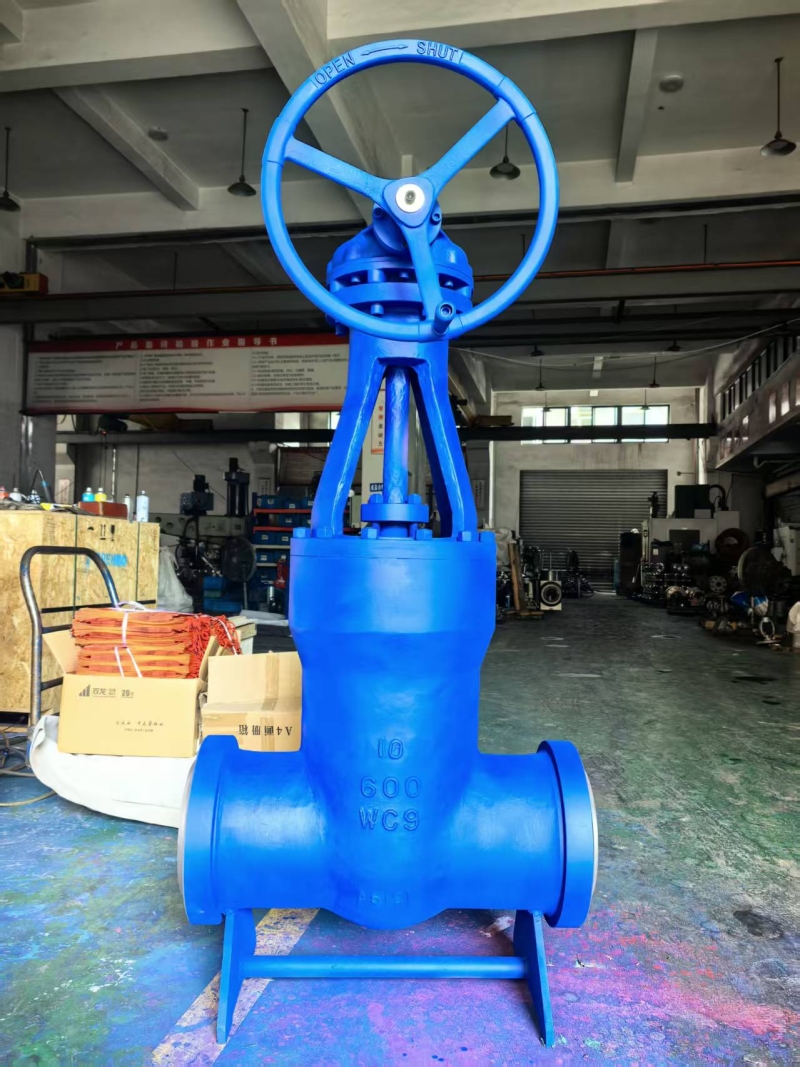
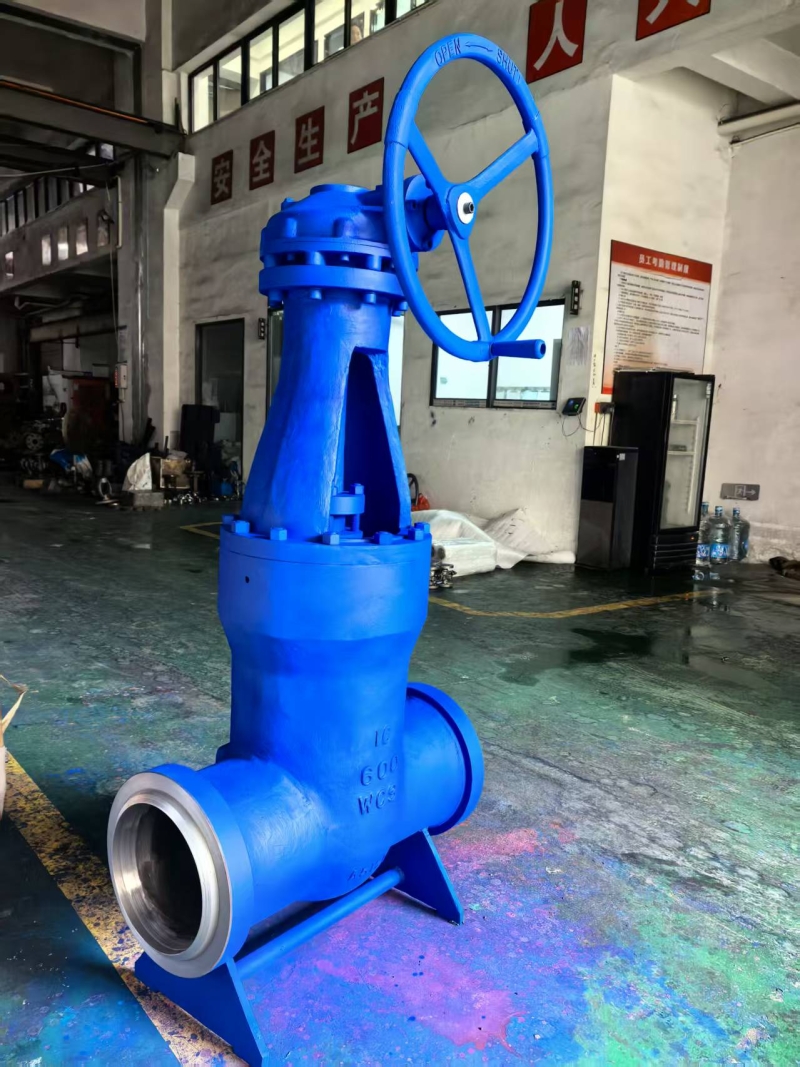
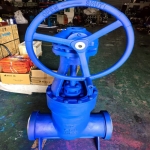
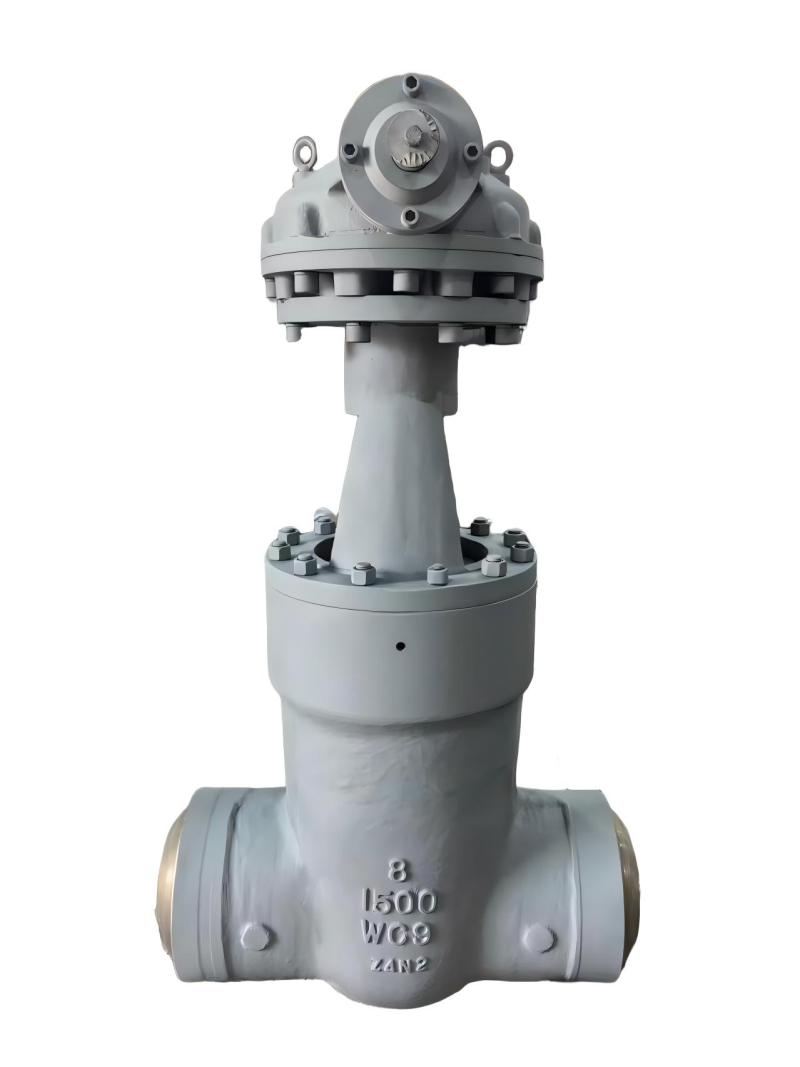
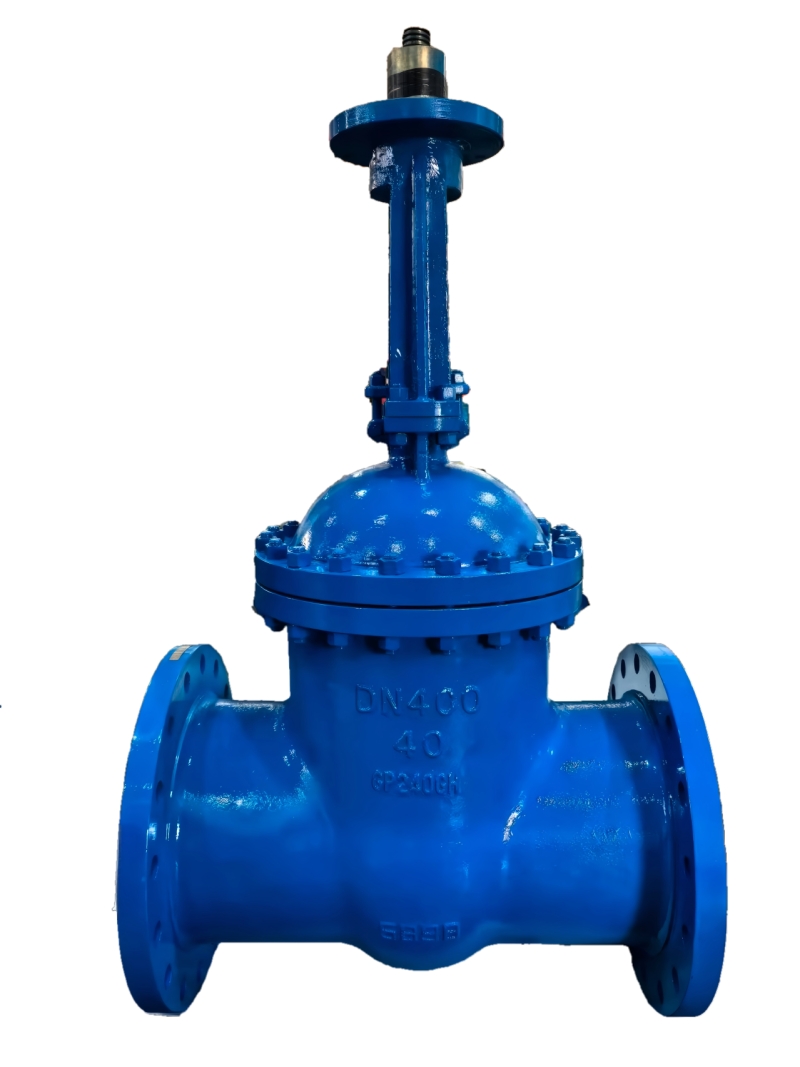
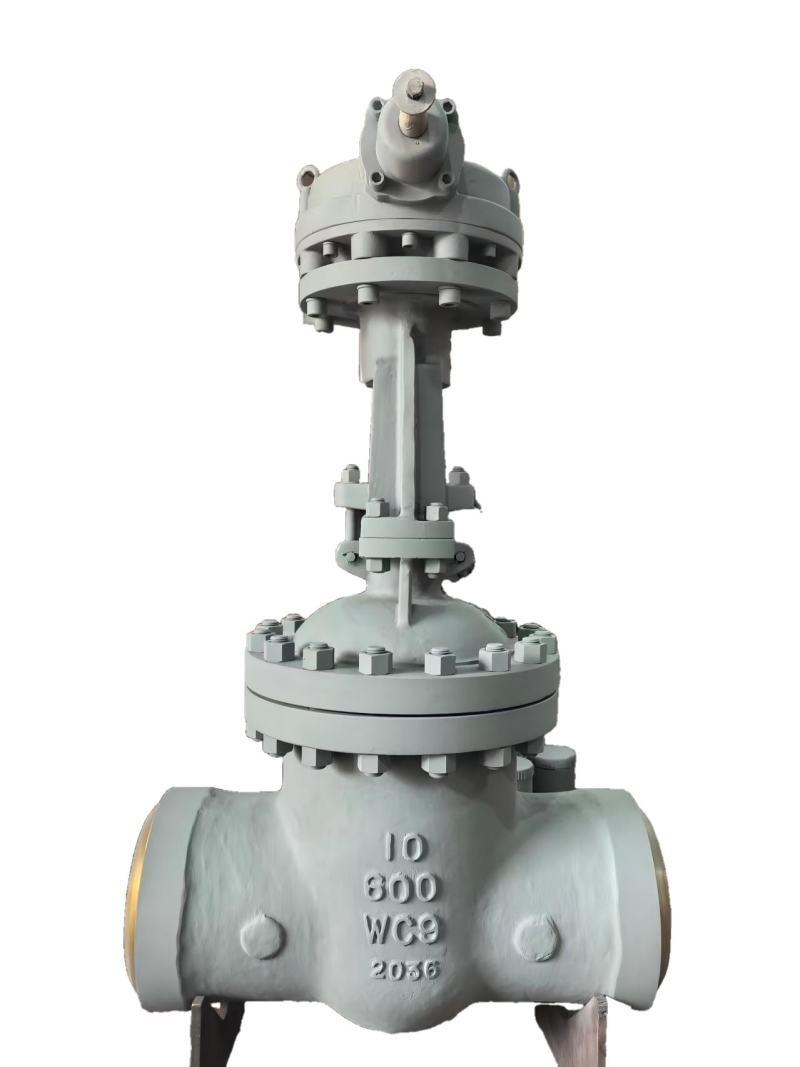
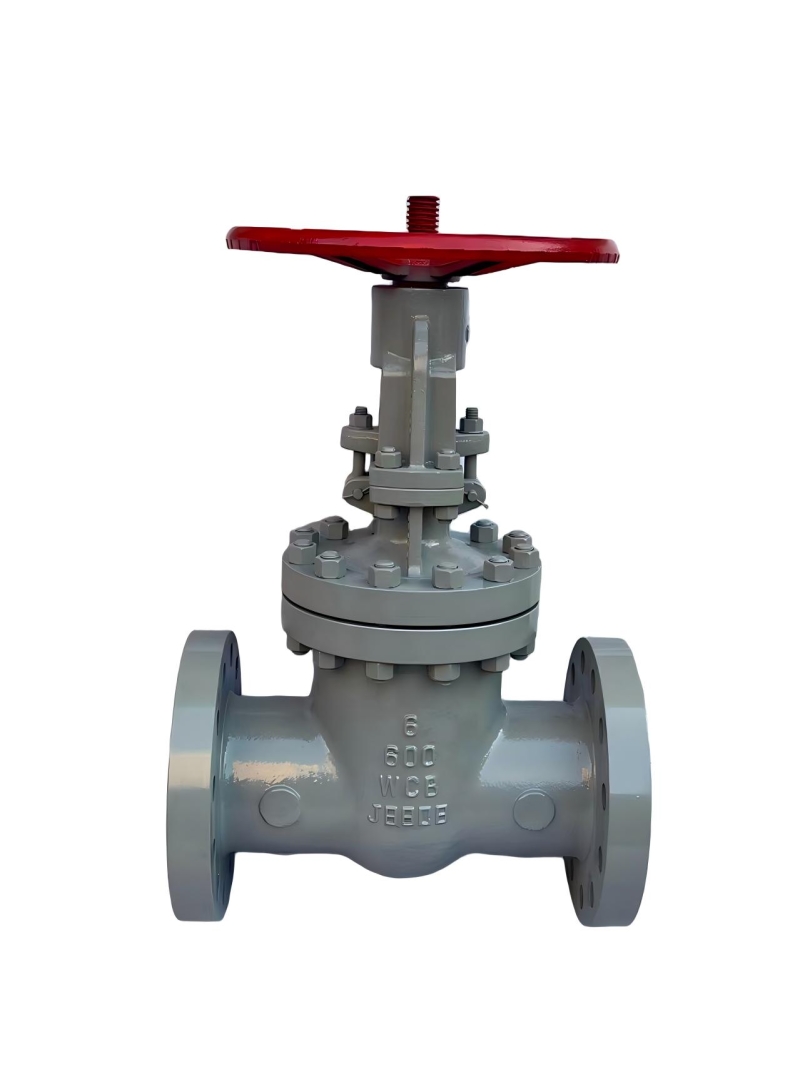
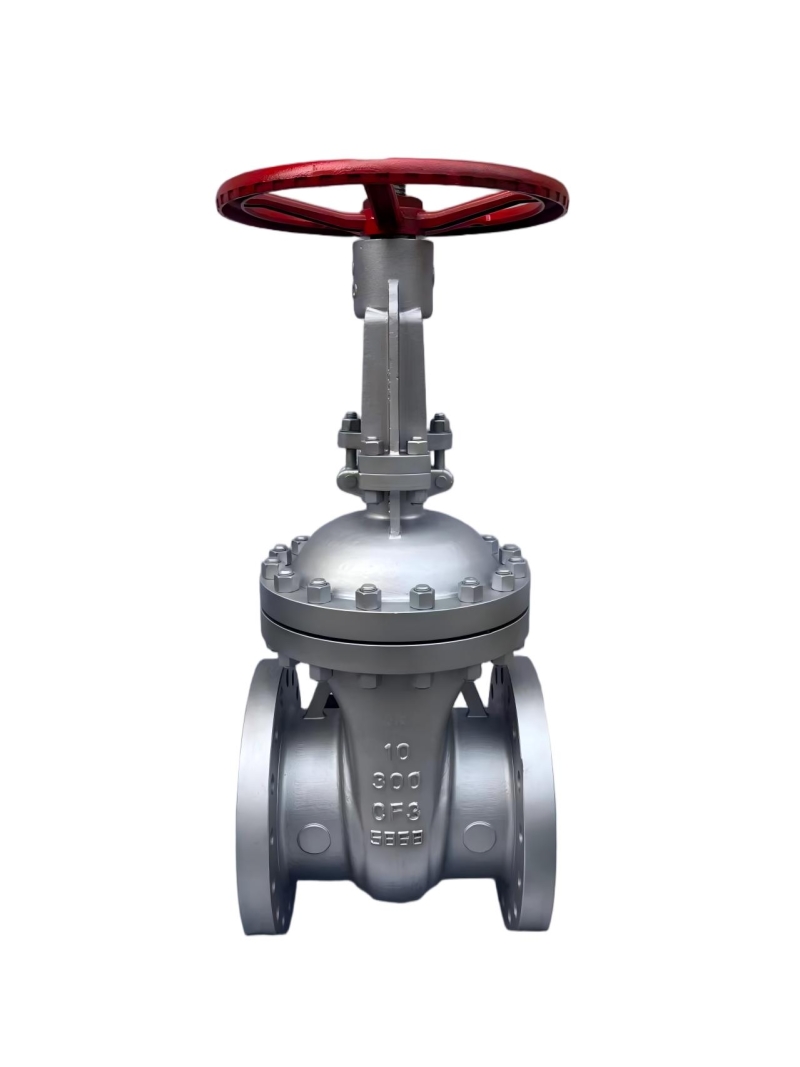
Engineered for critical high-temperature isolation applications, the 600LB High-Temperature Alloy Steel A217 WC9 Pressure Seal API 600 Gate Valve delivers exceptional performance in demanding thermal environments.
Manufactured from high-grade ASTM A217 WC9 alloy steel (2.25Cr-1Mo), this valve offers superior creep resistance and mechanical strength at elevated temperatures up to 593°C. Designed strictly to API 600 standards, it features a pressure seal bonnet that utilizes internal system pressure to dynamically enhance sealing integrity as pressure increases. Coupled with butt-welded or flanged end connections, this Class 600 gate valve ensures reliable isolation, minimal leakage, and long-term durability in high-temperature steam and hot oil services.
Key Features & Benefits
• A217 WC9 Alloy Steel Construction: Crafted from premium WC9 chromium-molybdenum alloy steel, providing excellent high-temperature strength, oxidation resistance, and creep resistance for extreme thermal cycling.
• Pressure Seal Bonnet Design: Utilizes a self-energizing pressure seal structure. As internal steam pressure increases, the sealing force increases proportionally, ensuring zero leakage even during rapid startup and shutdown transients.
• API 600 & Bolted Bonnet Design: Manufactured to strict API 600 standards, ensuring dimensional compatibility, structural safety, and reliable performance in global power infrastructure.
• Stellite Hard-Faced Trim: Seat rings and wedge seating surfaces are overlaid with Stellite 6 (Co-Cr-W alloy) to resist severe erosion, corrosion, and galling in high-temperature steam flows.
• OS&Y Rising Stem Mechanism: Features an Outside Screw and Yoke design with a non-rotating rising stem, providing a clear visual indication of valve position and protecting stem threads from media exposure.
• Flexible Graphite Packing: Equipped with high-temperature flexible graphite packing system to ensure reliable dynamic sealing and accommodate thermal expansion of the stem.
Technical Specifications
Parameter | Specification |
Valve Type | Pressure Seal High-Temperature Gate Valve |
Design Standard | API 600, ASME B16.34 |
Body Material | ASTM A217 WC9 (High-Temp Alloy Steel) |
End Connection | Butt Weld (BW) / Flanged (RF/RTJ) |
Pressure Rating | Class 600 (PN100) |
Size Range | 2" to 24" (DN50 - DN600) |
Temperature Range | -29°C to +593°C |
Trim Material | WC9 + Stellite 6 Hard-Faced |
Operation | Manual Handwheel / Gear Operator |
Testing & Inspection | API 598 |
Applications
This high-performance WC9 pressure seal gate valve is widely deployed in:
• Thermal Power Plants: Main steam isolation, hot/cold reheat lines, and high-pressure feedwater systems.
• Supercritical Units: High-temperature and high-pressure steam piping networks.
• Petrochemical Processing: High-temperature oil, gas, and chemical fluid isolation.
• Heavy Industrial Boilers: High-pressure steam generation and distribution systems.
• Refineries: Hot oil and high-temperature process lines.
FAQ
Q: What does WC9 mean in high-temperature gate valves?
A: WC9 refers to ASTM A217 Grade WC9, which is a 2.25Cr-1Mo chromium-molybdenum alloy steel casting. It is specifically designed for high-temperature service up to 593°C, offering excellent creep resistance and mechanical strength in extreme thermal environments.
Q: How does the pressure seal bonnet work in high-temperature environments?
A: Unlike traditional bolted bonnets, the pressure seal design uses the internal media pressure to push the seal ring against the bonnet and body. The higher the system pressure, the tighter the seal becomes. This prevents the bolt-creep and leakage issues often seen in high-temperature thermal cycling.
Q: Why choose WC9 over WCB for power station valves?
A: WC9 contains chromium and molybdenum alloying elements that provide superior high-temperature strength and creep resistance compared to standard carbon steel WCB. For temperatures above 425°C, WC9 is the preferred material to ensure long-term structural integrity and safety.