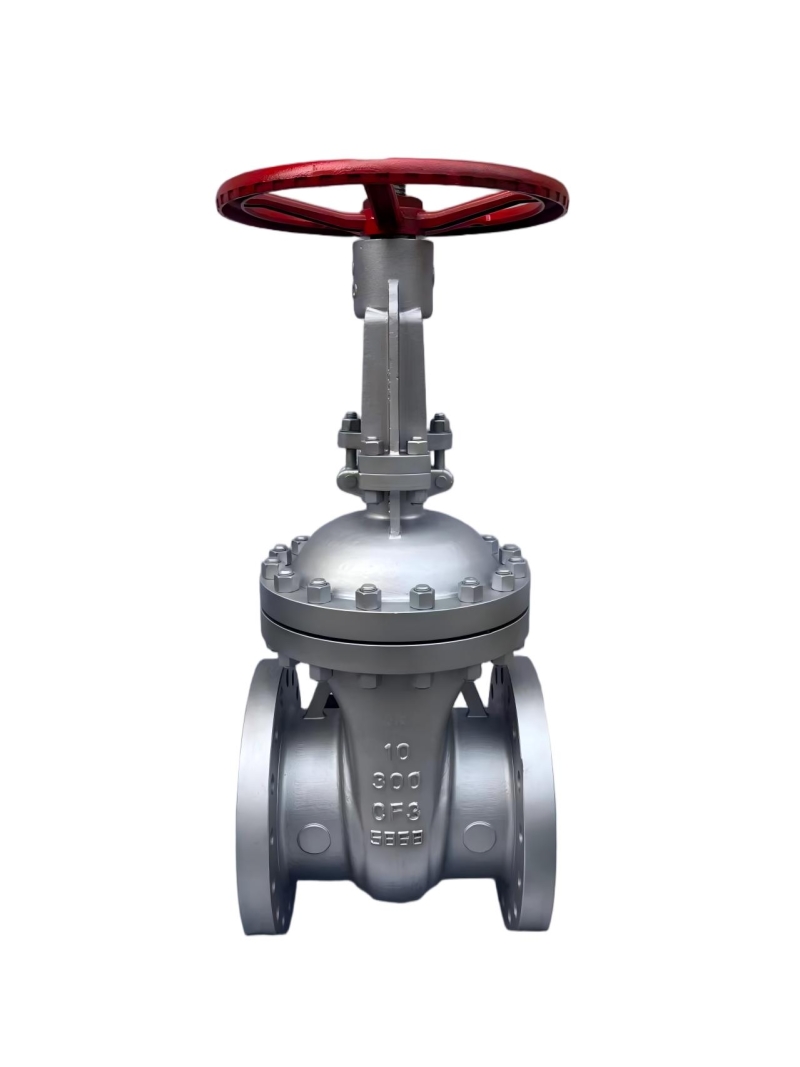
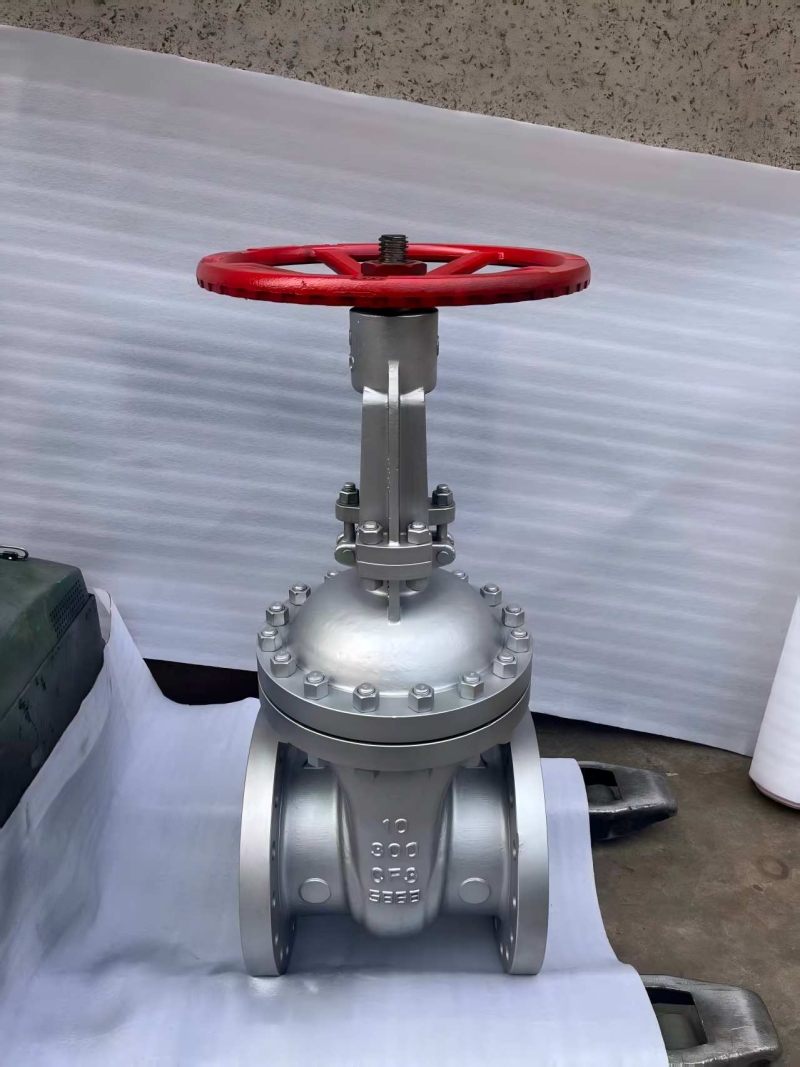
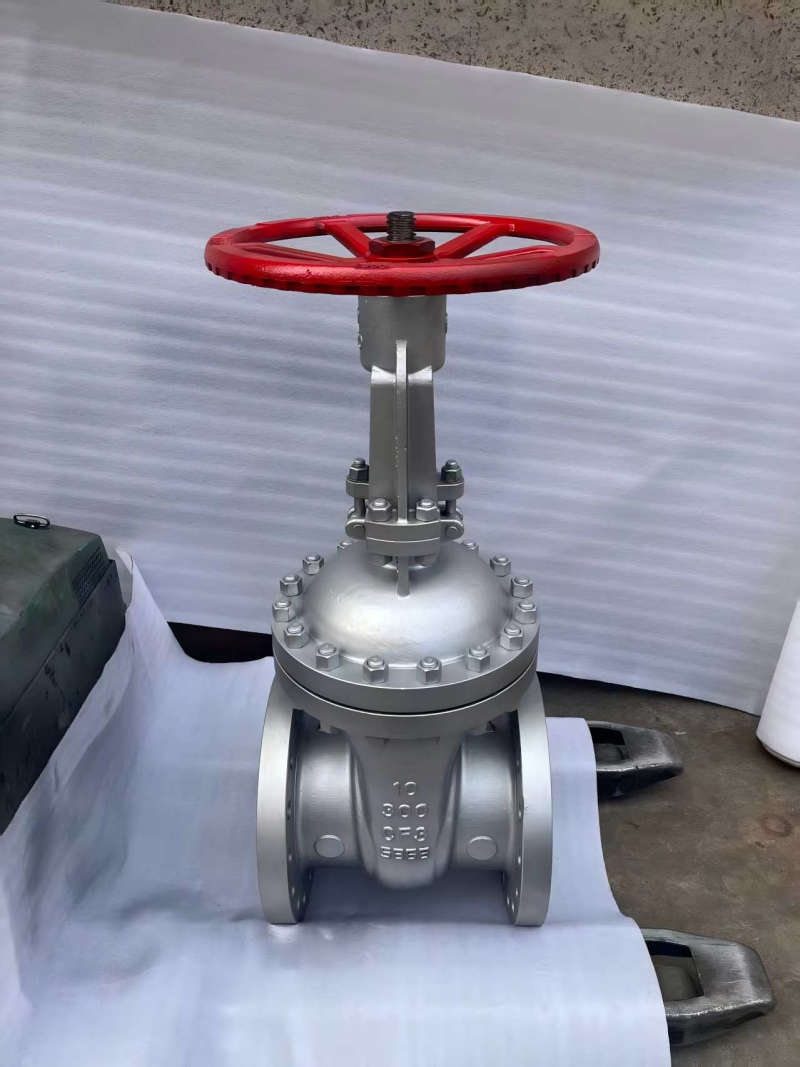
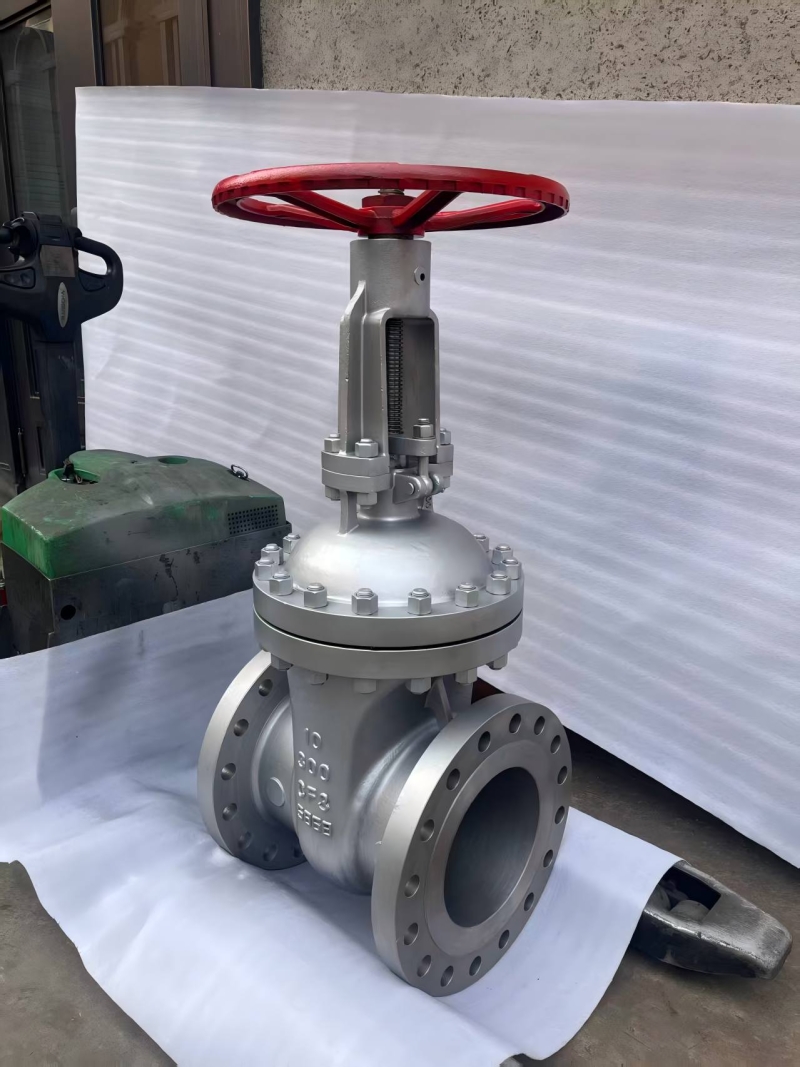
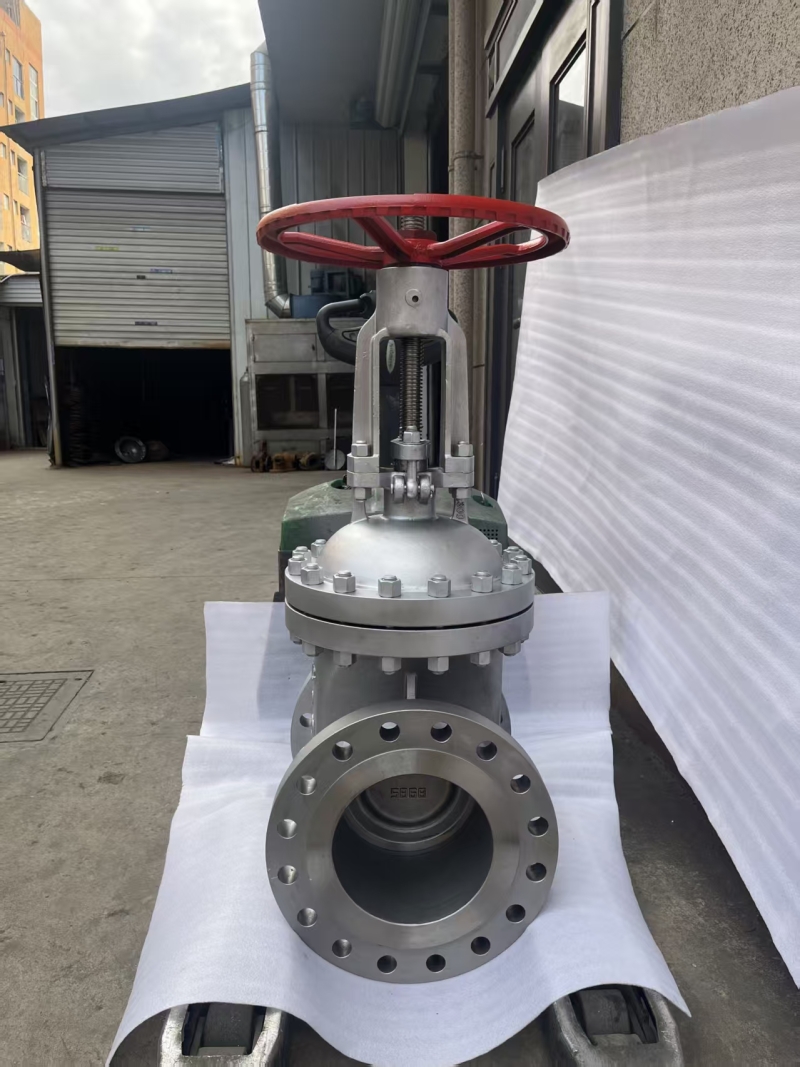
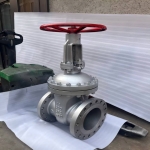
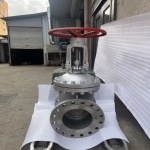
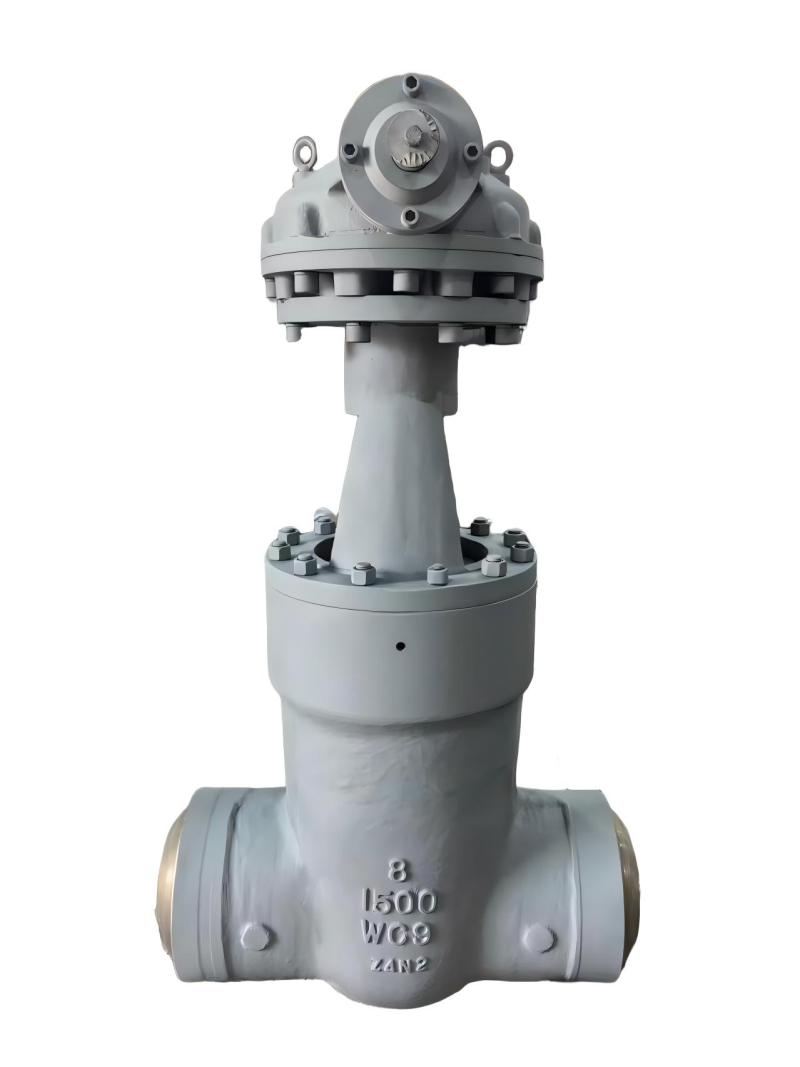
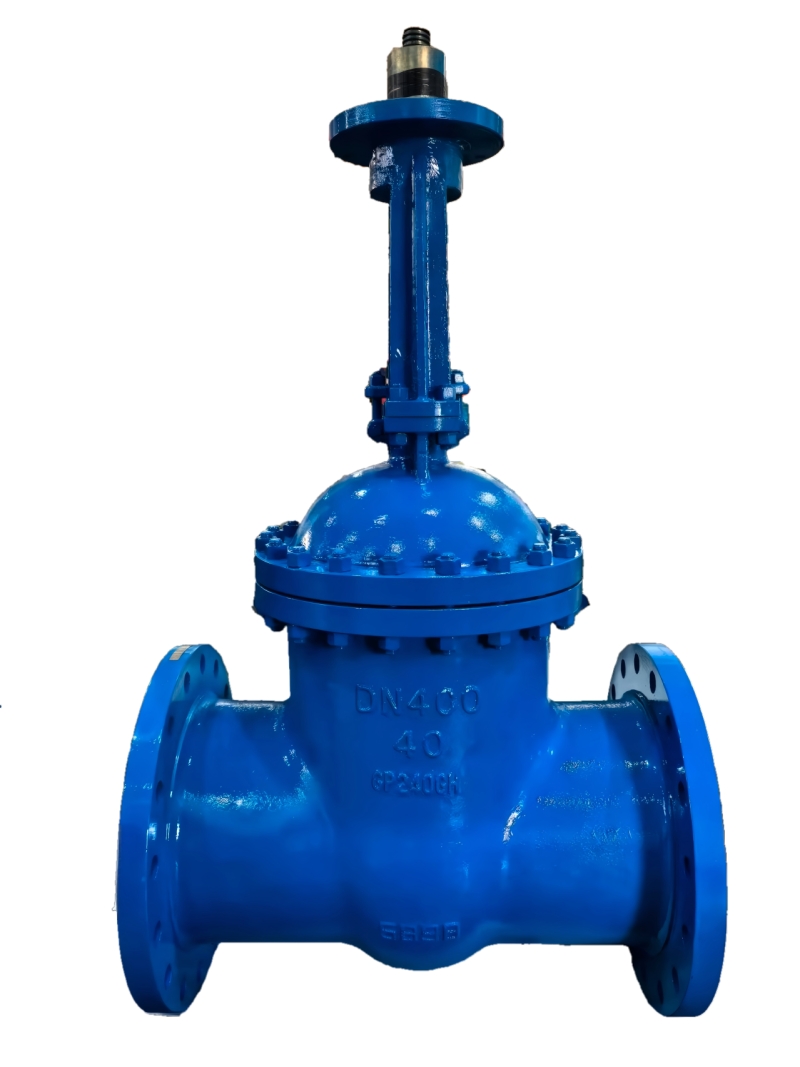
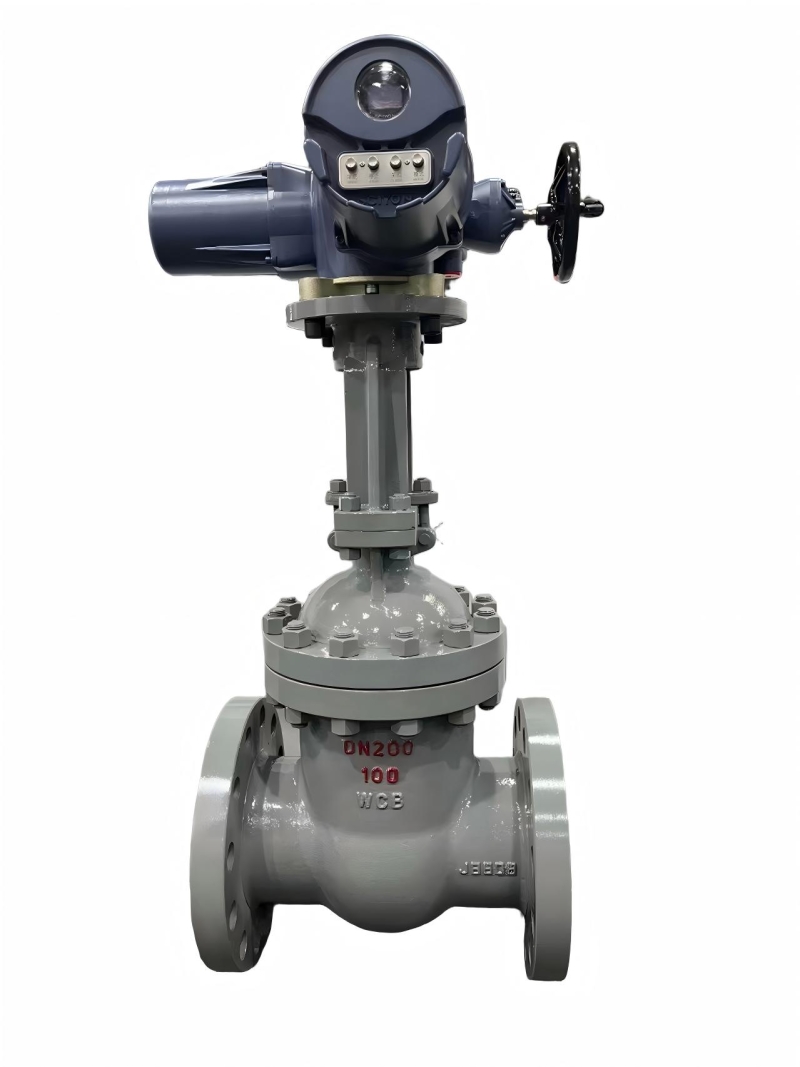
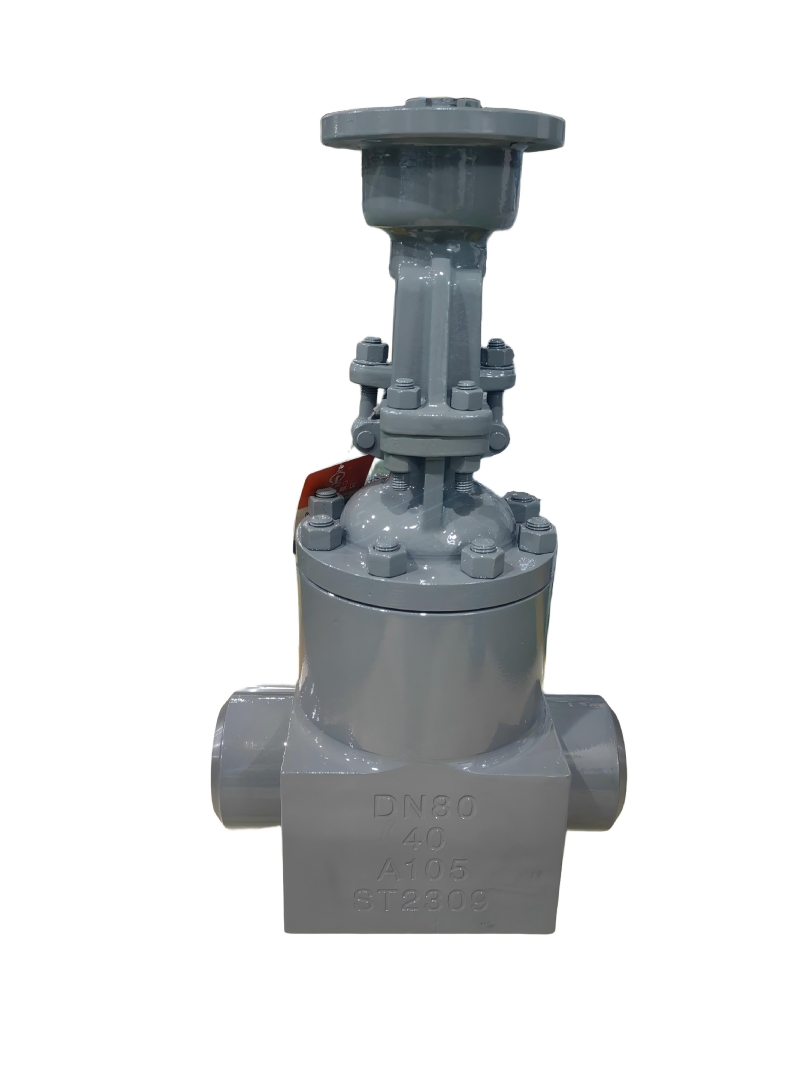
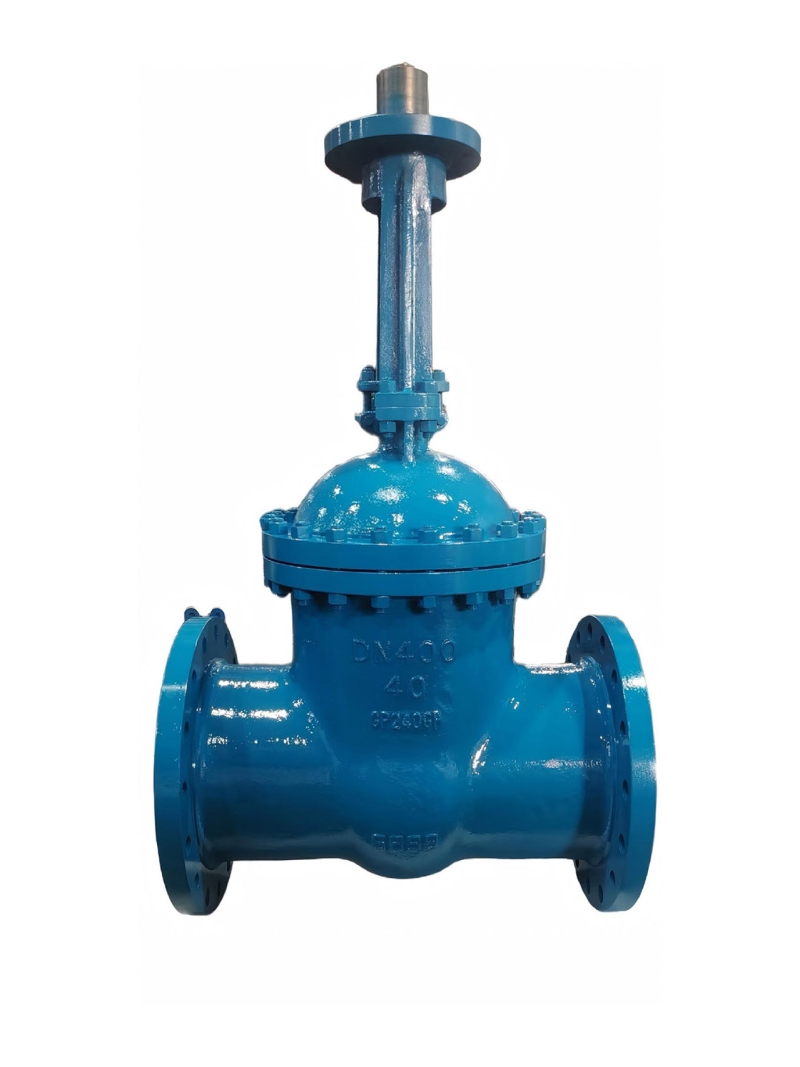
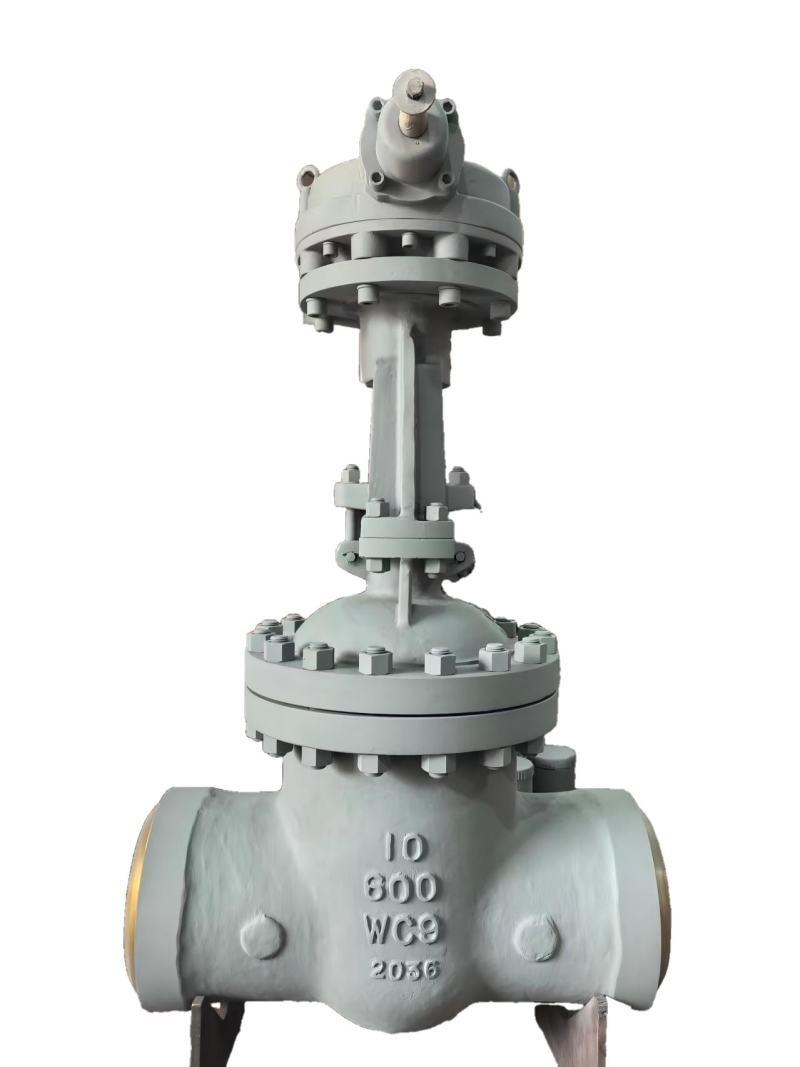
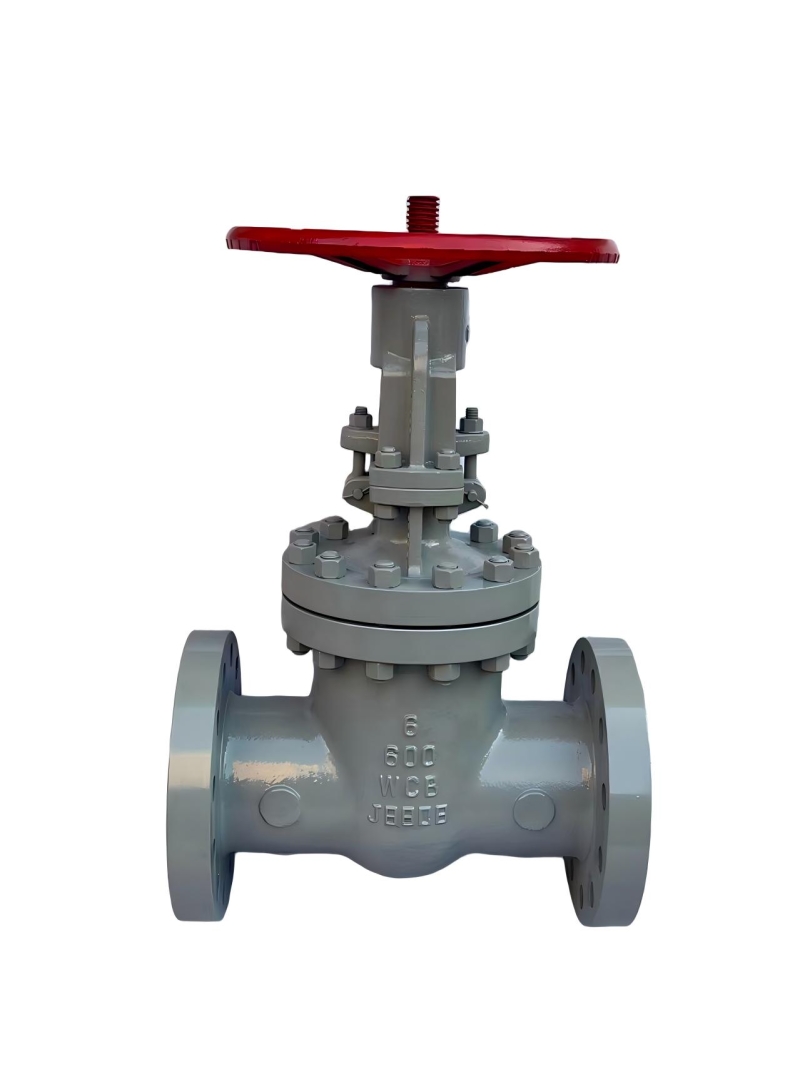
Engineered for highly corrosive and marine environments, the Class 300 API 600 316L Stainless Steel Flanged Gate Valve delivers superior chemical resistance and reliable flow isolation.
Manufactured from premium 316L stainless steel (cast equivalent CF3M), this valve provides exceptional resistance to pitting, crevice corrosion, and chloride attack, making it ideal for handling aggressive chemicals and seawater. Designed strictly to API 600 standards, it features a robust bolted bonnet construction and an Outside Screw and Yoke (OS&Y) rising stem design for clear visual position indication. Equipped with standard flanged connections (ASME B16.5), this Class 300 gate valve ensures smooth flow, reliable sealing, and long-term durability in critical chemical, petrochemical, and offshore piping systems.
Key Features & Benefits
• 316L Stainless Steel Construction: Crafted from ultra-low carbon 316L (CF3M) stainless steel, providing outstanding resistance to chlorides, sulfuric acid, and marine environments without the risk of intergranular corrosion.
• API 600 & Bolted Bonnet Design: Manufactured to strict API 600 standards, ensuring dimensional compatibility, structural safety, and reliable performance in global industrial infrastructure.
• Flanged End Connections: Compliant with ASME B16.5 standards, ensuring easy installation, secure sealing (RF or RTJ), and leak-proof performance in Class 300 piping systems.
• OS&Y Rising Stem Mechanism: Features an Outside Screw and Yoke design with a non-rotating rising stem, providing a clear visual indication of valve position and protecting stem threads from corrosive media exposure.
• Full Port Flow Area: The full bore design matches the pipeline diameter, minimizing flow resistance, reducing pressure drop, and facilitating pipeline pigging operations.
• Stellite Hard-Faced Trim: Seat rings and wedge seating surfaces are overlaid with Stellite 6 (Co-Cr-W alloy) to resist severe erosion, corrosion, and galling, ensuring long service life in aggressive media.
Technical Specifications
Parameter | Specification |
Valve Type | Stainless Steel Flanged Gate Valve |
Design Standard | API 600, ASME B16.34 |
Body Material | 316L Stainless Steel (CF3M) |
End Connection | Flanged (RF/RTJ) per ASME B16.5 |
Pressure Rating | Class 300 (PN50) |
Size Range | 2" to 24" (DN50 - DN600) |
Temperature Range | -196°C to +425°C |
Trim Material | 316L SS, Monel, or Stellite Hard-Faced |
Operation | Manual Handwheel / Gear Operator |
Testing & Inspection | API 598 |
Applications
This high-performance 316L flanged gate valve is widely deployed in:
• Chemical Processing: Handling chlorides, sulfuric acid, phosphoric acid, and other highly corrosive media.
• Marine & Offshore: Shipbuilding, offshore platforms, and coastal facilities requiring superior saltwater corrosion resistance.
• Petrochemical Plants: Corrosive fluid isolation and distribution systems.
• Water & Wastewater Treatment: Seawater desalination, brine, and corrosive wastewater systems.
• Pharmaceutical Industry: High-purity and corrosive chemical processing lines.
FAQ
Q: What does 316L (CF3M) mean in stainless steel gate valves?
A: 316L is an ultra-low carbon austenitic stainless steel containing molybdenum. Its cast equivalent is CF3M. The addition of molybdenum provides superior resistance to pitting and crevice corrosion, especially in chloride and marine environments, while the low carbon content prevents intergranular corrosion after welding.
Q: Why choose 316L over 304 (CF8) for gate valves?
A: 316L contains 2-3% molybdenum, which significantly enhances its resistance to chlorides, sulfuric acid, and marine environments compared to 304. If your application involves seawater, brine, or aggressive chemicals, 316L is the preferred choice.
Q: What is the maximum temperature for a 316L stainless steel gate valve?
A: A 316L (CF3M) stainless steel gate valve can typically handle temperatures up to +425°C (+800°F). However, for continuous high-temperature service, material strength and pressure ratings may need to be derated according to ASME B16.34 standards.