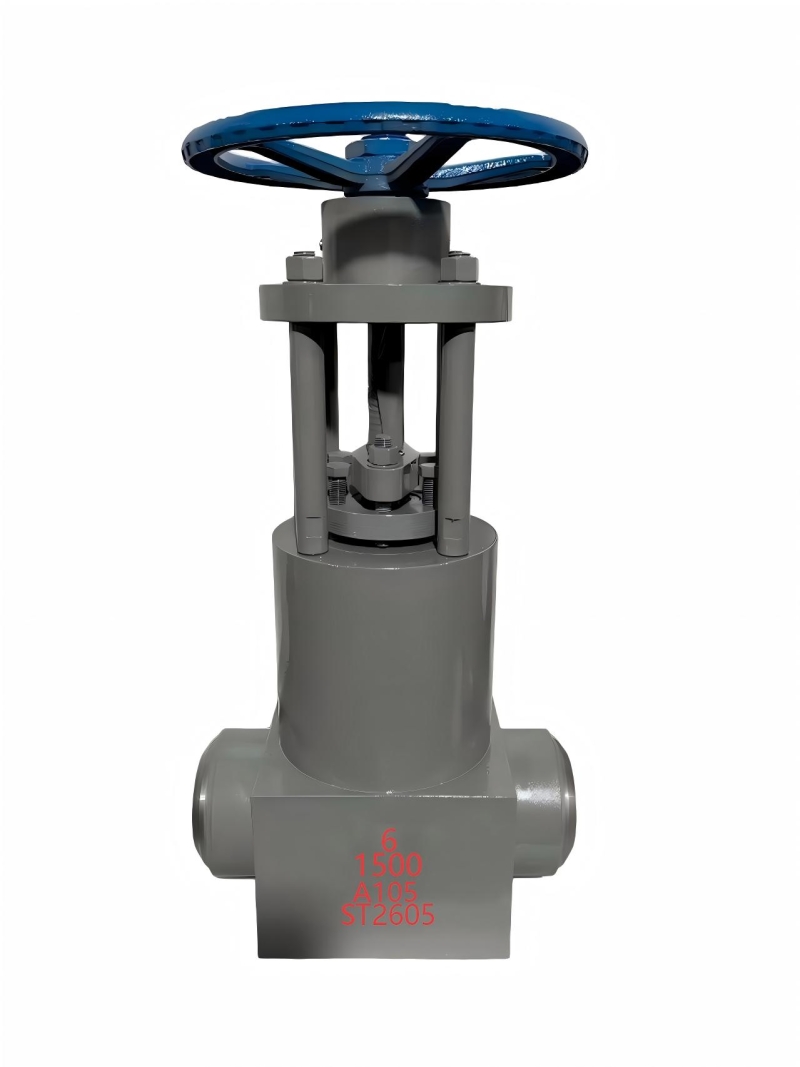
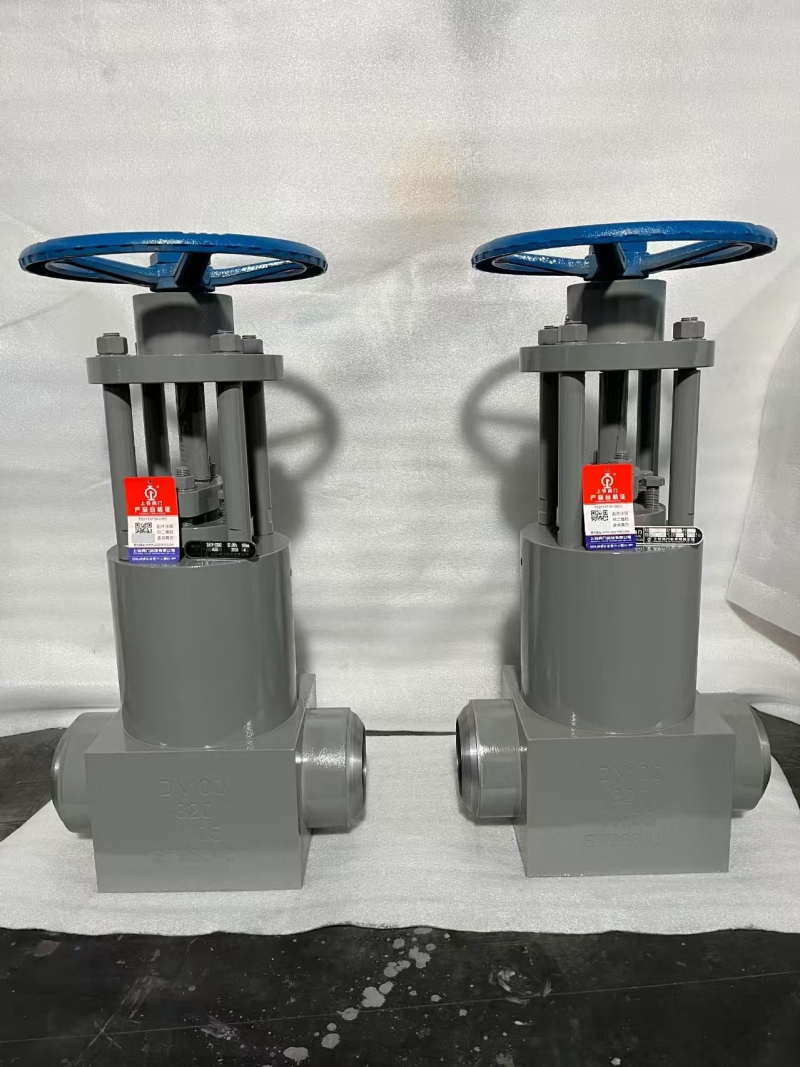
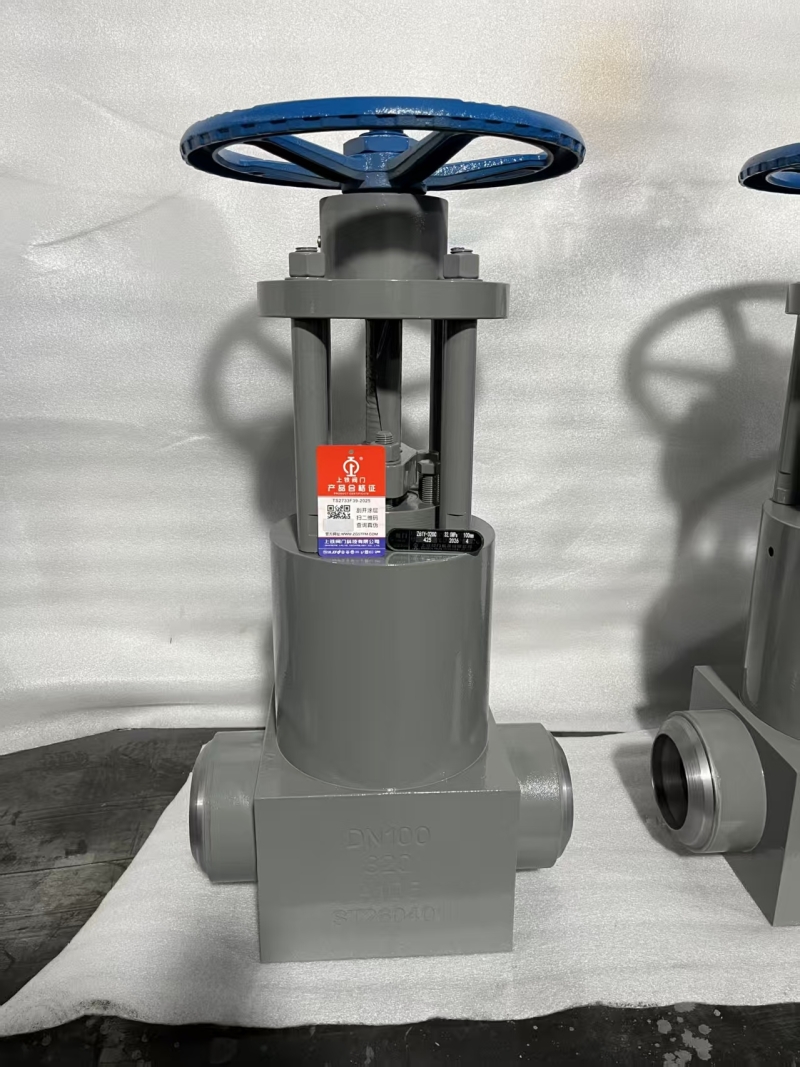
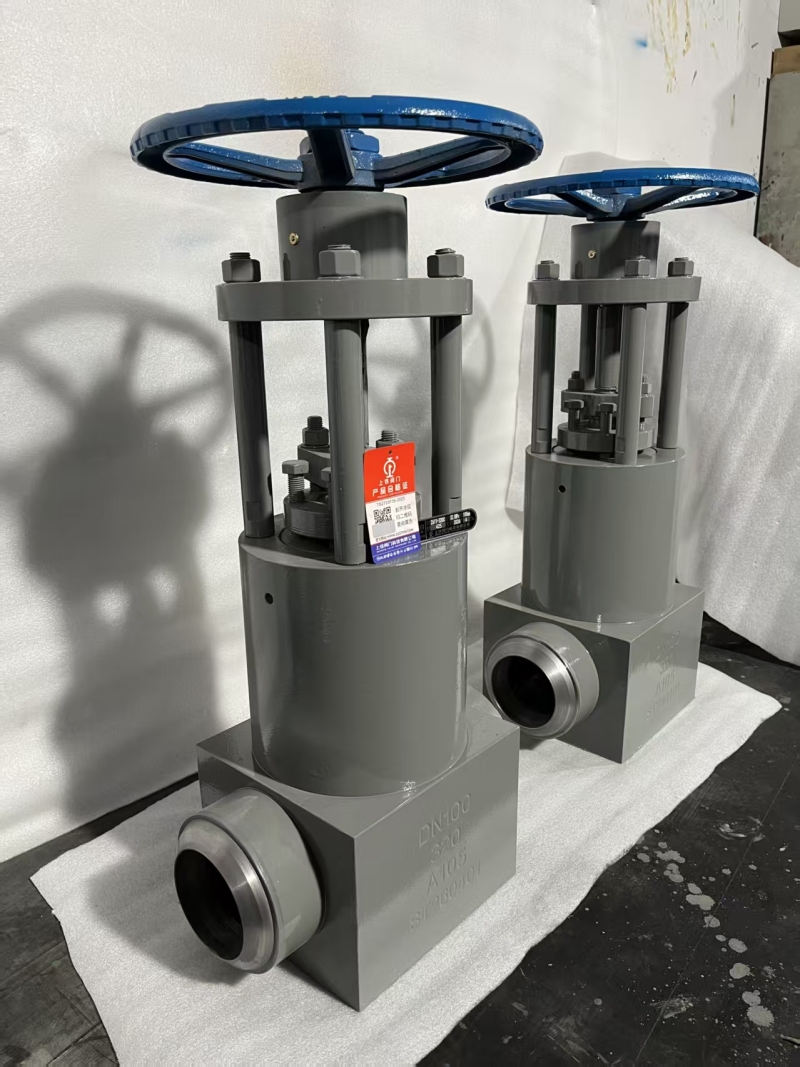
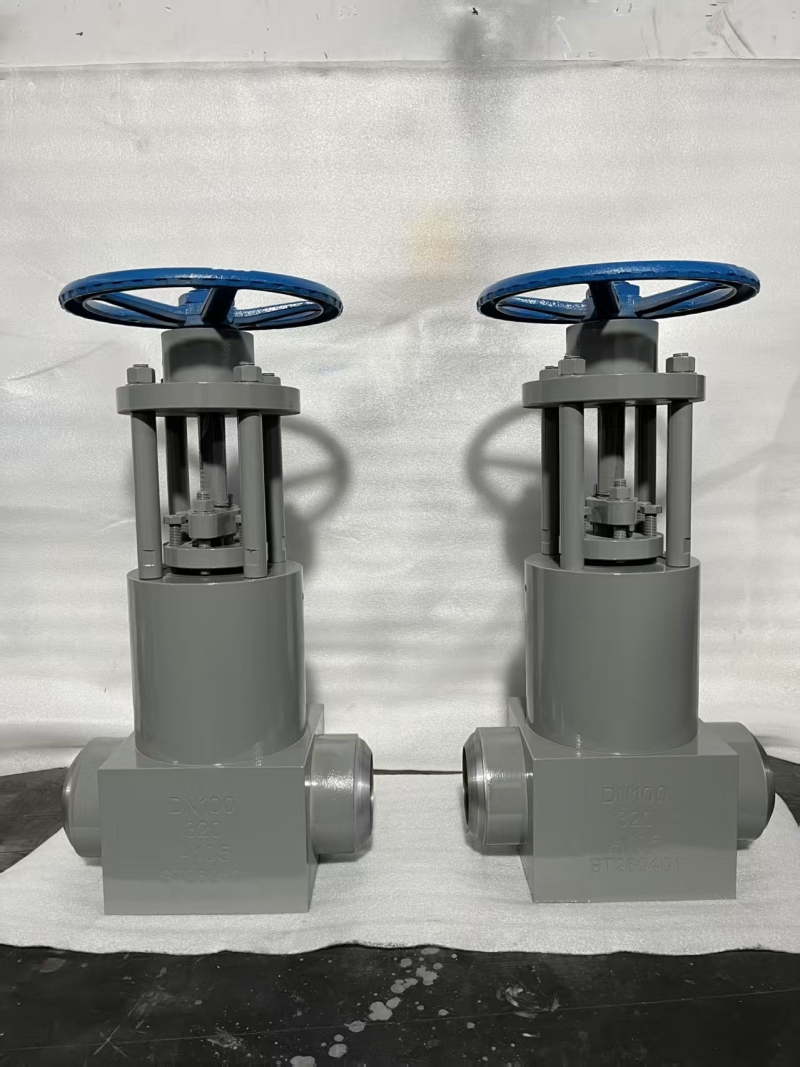
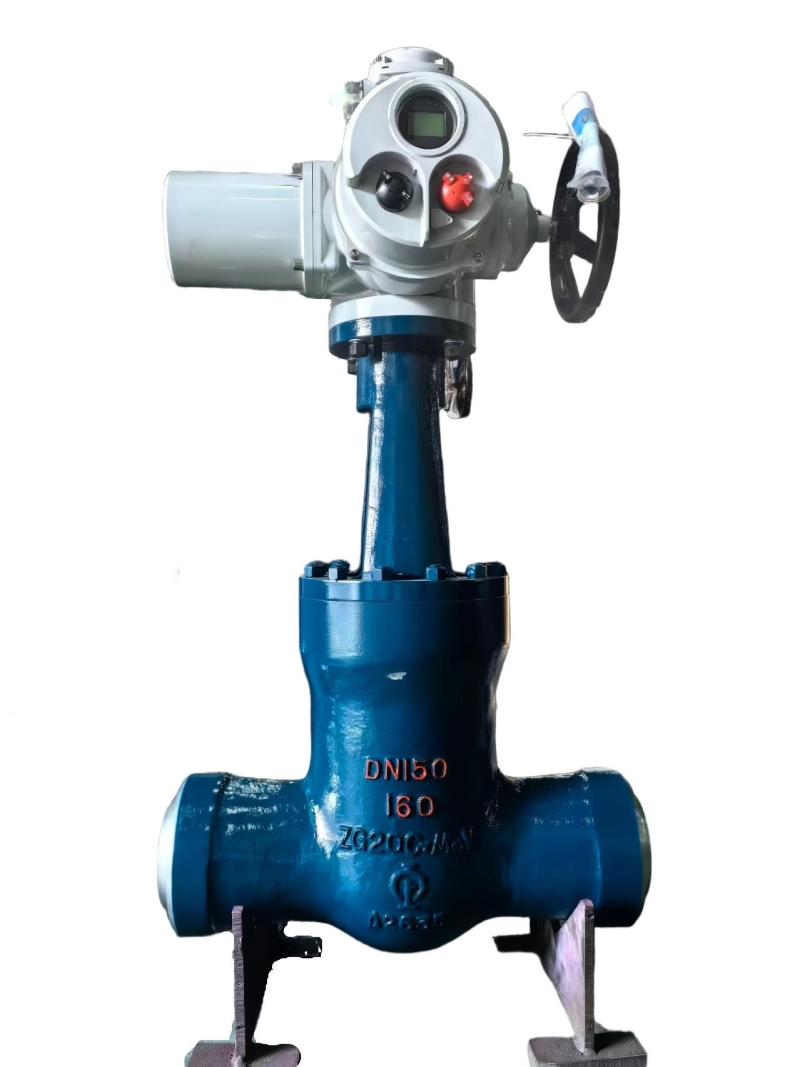
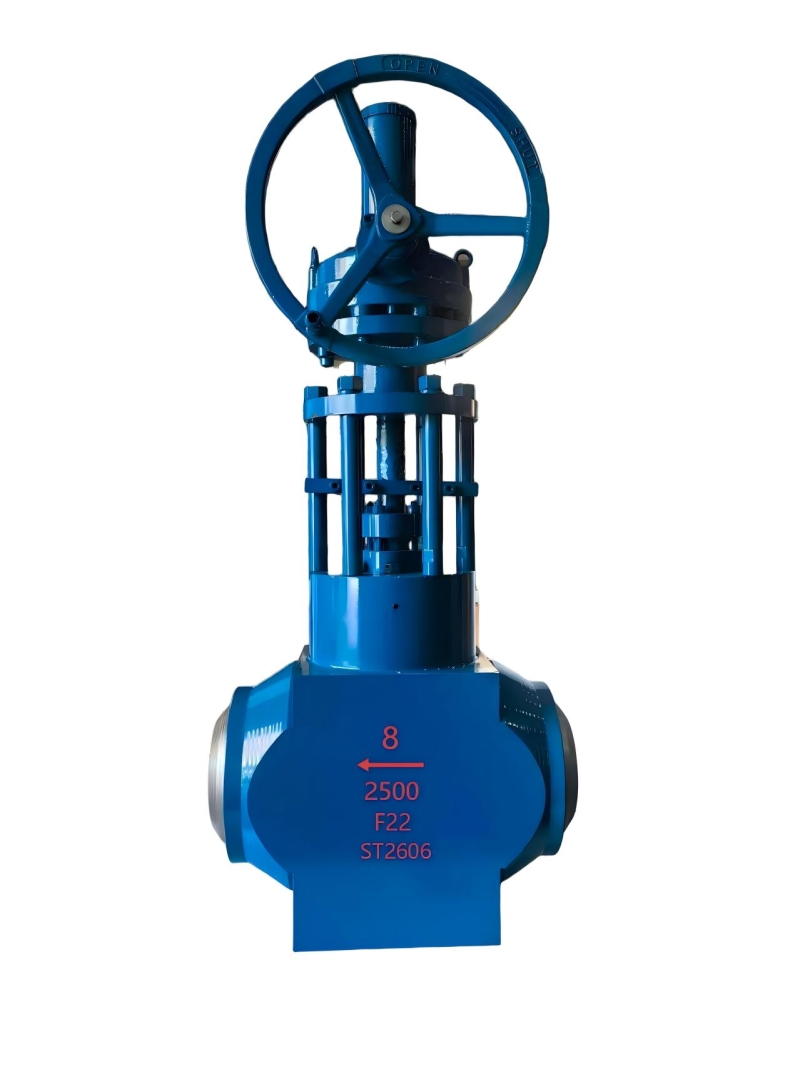
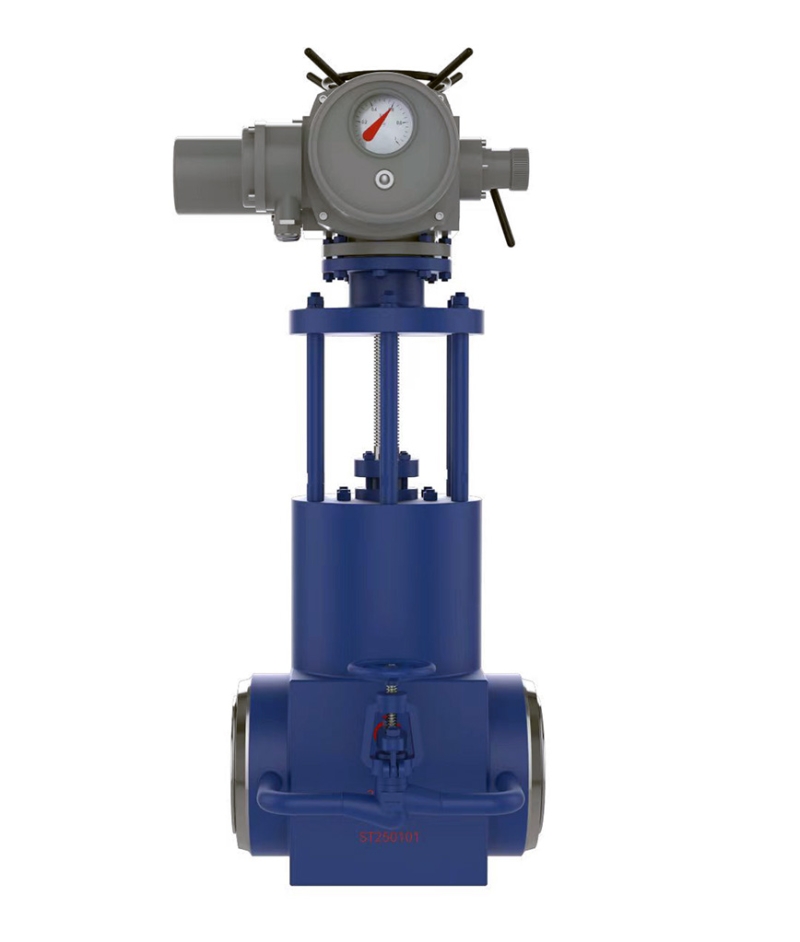
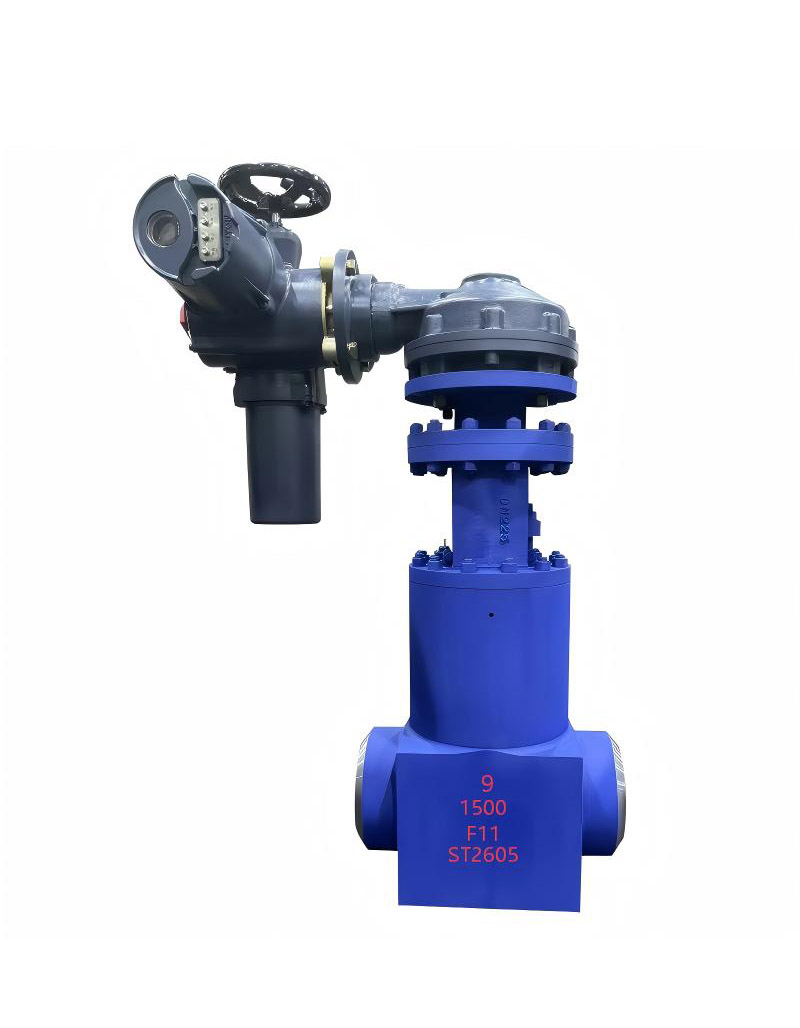
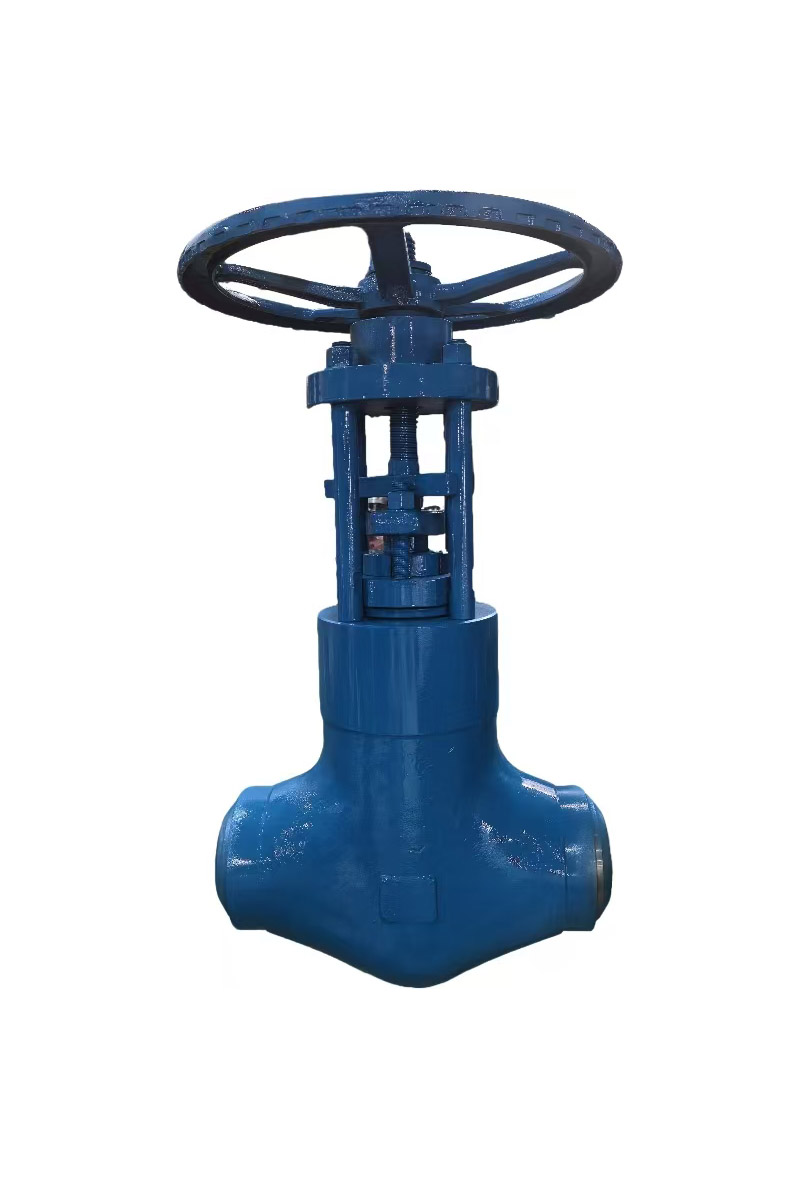
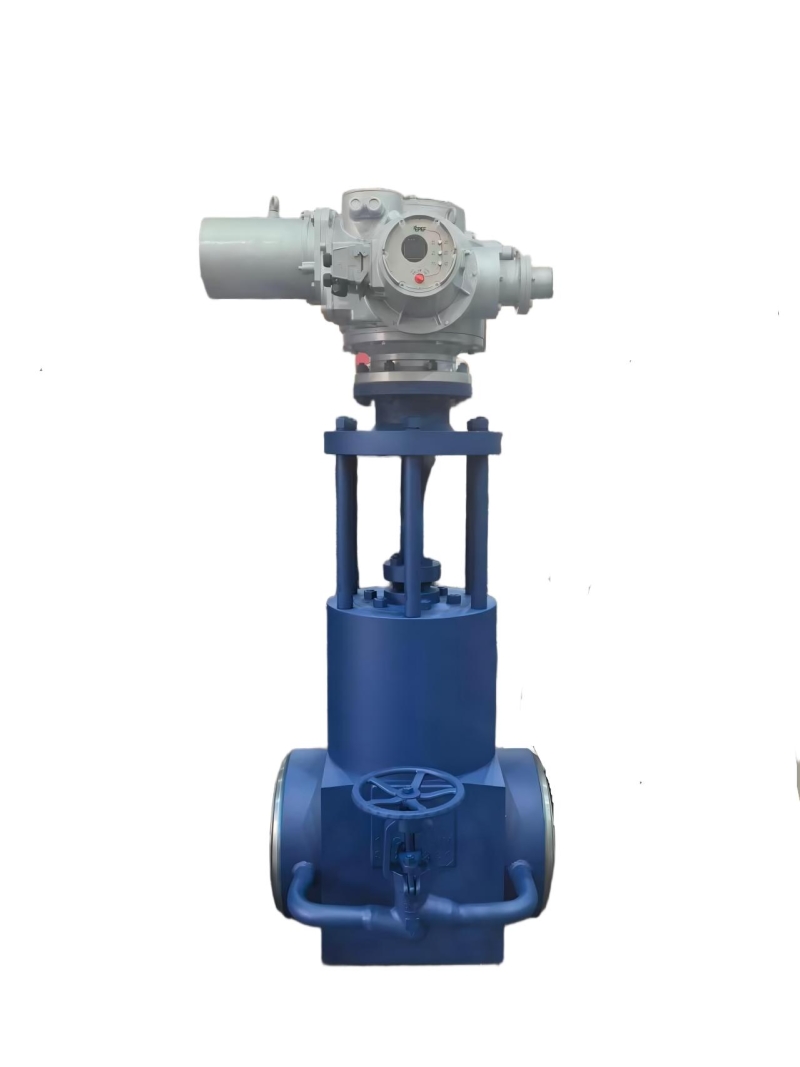
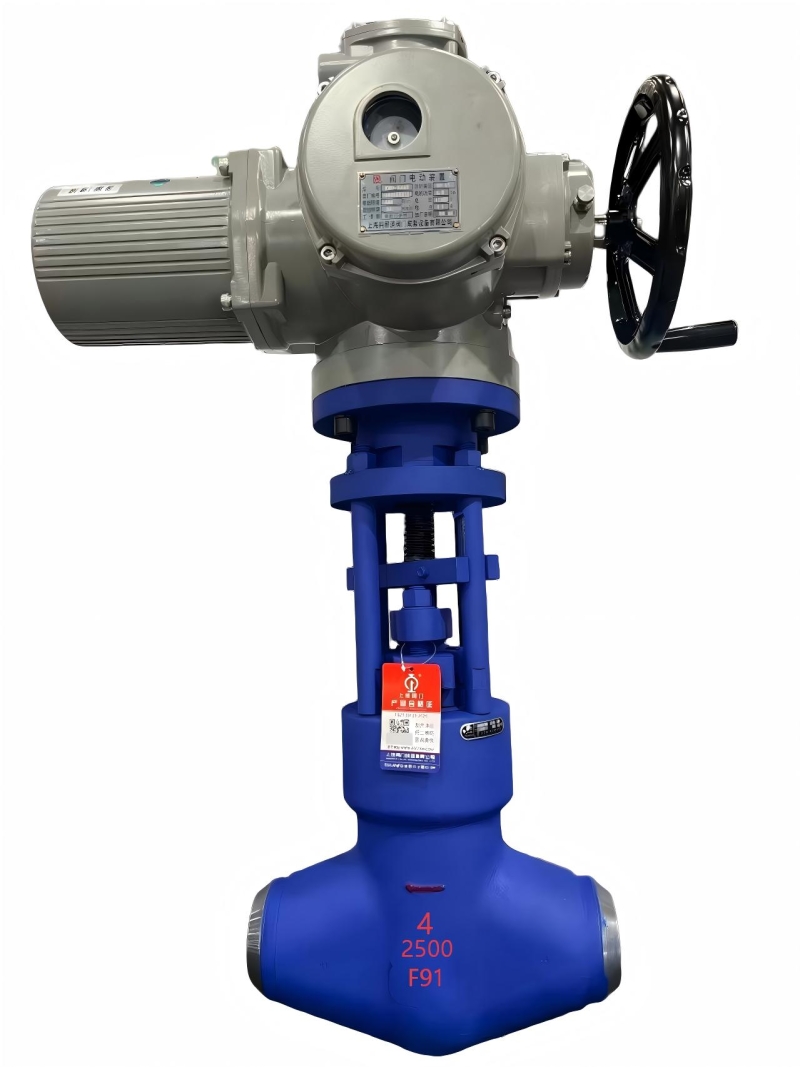
Engineered specifically for the rigorous demands of supercritical and ultra-supercritical power generation environments, the A105 Forged High-Pressure Welded End API 600 Pressure Seal Gate Valve represents the pinnacle of flow control reliability. Unlike standard cast steel valves, this unit is manufactured from ASTM A105 forged carbon steel, a material chosen for its superior grain structure, enhanced mechanical strength, and exceptional resistance to fatigue and thermal cycling.
The core of this valve’s performance lies in its advanced Pressure Seal Bonnet (PSB) design. In high-pressure steam applications (typically Class 900 and above), traditional bolted bonnets are prone to leakage as internal pressure increases. The pressure seal design utilizes the system's own internal pressure to energize a flexible gasket against the valve body and bonnet, creating a self-sealing mechanism that becomes tighter as pressure rises. This eliminates the need for massive flange bolting, reduces the valve's overall weight, and ensures zero-leakage integrity even during rapid startup and shutdown transients.
Deigned in strict accordance with API 600 and ASME B16.34 standards, this valve features butt-welded ends to provide a permanent, leak-proof connection that integrates seamlessly into high-pressure piping systems. The welded connection eliminates potential leakage paths associated with flanged joints, ensures structural continuity under extreme thermal expansion, and significantly reduces the risk of fire hazards in hydrocarbon or steam service. Whether serving as a main steam isolation valve, feedwater shutoff, or high-pressure bypass control, this valve delivers uncompromising safety and operational longevity.
Key Features
• Premium A105 Forged Steel Construction:
Manufactured from ASTM A105 forged carbon steel, the valve body and bonnet possess a continuous, unidirectional grain flow that eliminates porosity and inclusions common in castings. This results in superior tensile strength, higher impact toughness at low temperatures, and enhanced resistance to hydrogen-induced cracking in high-temperature steam service. The forging process also allows for thinner wall sections compared to cast equivalents, reducing weight and thermal inertia.
• Self-Energizing Pressure Seal Bonnet:
The industry-standard pressure seal bonnet assembly features a precision-machined seal ring and a flexible graphite or silver-plated gasket. As internal line pressure increases, the force is transferred to the gasket, creating a metal-to-metal or graphite-to-metal seal that is proportional to the system pressure. This design inherently prevents bonnet leakage during pressure surges and eliminates the need for periodic retorquing of bonnet bolts, significantly reducing maintenance requirements.
• API 600 & ASME B16.34 Compliance:
Every valve is designed, manufactured, and tested to meet or exceed API 600 (Steel Gate Valves) and ASME B16.34 (Valves—Flanged, Threaded, and Welding End) standards. This guarantees dimensional interchangeability, material traceability, and pressure-temperature ratings consistent with global engineering specifications. Full compliance ensures seamless integration into existing power plant piping systems and simplifies procurement and spare parts management.
• High-Pressure Butt-Welded Ends:
Equipped with beveled butt-weld ends per ASME B16.25, the valve provides a permanent, homogeneous joint with the pipeline. Welded connections offer the highest structural integrity under cyclic loading, eliminate gasket-related leakage paths, and provide superior resistance to bending moments and pipe stress. The weld preparation is optimized for automatic or manual welding procedures, ensuring consistent joint quality and radiographic acceptance.
• Flexible or Solid Wedge Gate:
The valve utilizes a precision-machined wedge (solid or flexible design depending on size and class) with Stellite 6 or equivalent hard-facing alloy deposited on seating surfaces. The flexible wedge design accommodates minor seat distortion caused by thermal gradients or pipe strain, preventing gate binding and ensuring positive shut-off. The hard-facing overlay provides exceptional resistance to erosion, corrosion, and galling, extending service life in abrasive steam or water applications.
• Stem & Packing Integrity:
The stem is manufactured from high-strength stainless steel (e.g., AISI 410 or 17-4PH) with rolled threads for superior fatigue resistance. The packing system features a live-loaded, anti-extrusion ring assembly with graphite or PTFE packing rings, maintaining consistent sealing force despite thermal cycling and packing relaxation. An optional backseat feature allows for packing replacement while the valve is fully open and the line is pressurized, enhancing operational safety.
Technical Specifications
• Valve Type: Pressure Seal Gate Valve (OS&Y or Non-Rising Stem)
• Design Standard: API 600, ASME B16.34
• Body Material: ASTM A105 (Forged Carbon Steel); Optional: F22, F91 for elevated temperatures
• End Connection: Butt Weld (BW) per ASME B16.25
• Pressure Rating: Class 900, 1500, 2500 (Custom ratings available)
• Size Range: 2" – 24" (DN50 – DN600)
• Working Temperature: -29°C to 595°C (Extended range up to 650°C with F22/F91 trim)
• Trim Material: Stellite 6 Seat Rings, 13Cr Stem, Flexible Graphite Gaskets
• Operation: Manual Gear Operator, Pneumatic Actuator, Electric Actuator, Hydraulic Actuator
• Testing & Inspection: API 598 (Shell & Seat Test), API 6D, NACE MR0175 (Sour Service), Radiographic Examination (RT)
• Face-to-Face: ASME B16.10 or Custom per Project Specification
• Paint & Coating: High-Temperature Silicone or Zinc-Rich Primer per Client Specification
Applications
This high-performance pressure seal gate valve is engineered for critical service in power generation and heavy industrial sectors where failure is not an option:
• Thermal Power Plants:
Primary applications include main steam isolation, hot reheat lines, high-pressure feedwater systems, and boiler drain lines. The valve’s ability to handle thermal shock during startup/shutdown cycles makes it ideal for cycling plants and baseload units operating at supercritical parameters.
• Nuclear Power Facilities:
Approved for use in non-nuclear auxiliary systems, including main feedwater, condensate, and auxiliary steam lines. The forged construction and pressure seal design meet the stringent quality assurance and material traceability requirements of nuclear-grade components.
• Supercritical & Ultra-Supercritical Units:
Specifically designed for modern high-efficiency power blocks operating at pressures exceeding 250 bar and temperatures above 590°C. The A105 forging and Stellite hard-facing provide the necessary creep strength and oxidation resistance for these extreme conditions.
• High-Pressure Industrial Piping:
Widely utilized in refinery high-pressure hydrocracking units, petrochemical ethylene crackers, and industrial boiler feed systems. The welded end connection and pressure seal bonnet make it the preferred choice for services where flanged valves are prone to leakage or fire hazards.
• High-Pressure Bypass Systems:
Ideal for turbine bypass and desuperheating stations where rapid pressure and temperature fluctuations occur. The robust construction and precise flow control characteristics prevent erosion and ensure reliable modulation or isolation.
FAQ
1. Why choose a Pressure Seal Bonnet over a traditional Bolted Bonnet for high-pressure service?
Traditional bolted bonnets rely on bolt tension to compress a gasket. As internal pressure increases, the gasket load decreases, leading to potential leakage. The Pressure Seal Bonnet uses internal pressure to energize the seal; the higher the pressure, the tighter the seal. This self-energizing characteristic makes it the only viable choice for Class 900 and above in steam service, offering superior safety and eliminating the need for retorquing.
2. Can this valve be used for throttling or flow control?
No. API 600 gate valves are designed for full-open or full-shut isolation service. Using a gate valve for throttling causes high-velocity fluid to erode the seating surfaces and wedge, leading to premature failure and leakage. For throttling applications, please select a Globe Valve or Control Valve.
3. What is the advantage of Butt-Welded ends over Flanged ends in this application?
Butt-welded connections provide a permanent, leak-proof joint that is as strong as the pipe itself. They eliminate gasket leakage paths, reduce the risk of fire in hydrocarbon service, and handle pipe bending moments better than flanges. In high-pressure steam systems, welded ends also reduce weight and insulation costs, as there are no flanges to insulate.
4. How do I select the correct Trim Material for my service?
For standard steam and water service up to 595°C, Stellite 6 (Co-Cr-W alloy) seat rings and 13Cr stems are the industry standard due to their erosion and galling resistance. For temperatures exceeding 600°C or in highly corrosive environments, consider Inconel 718 or Monel trim. Always consult the material selection chart based on your specific fluid composition and temperature.
5. Is the valve suitable for sour service (H2S) environments?
Yes, provided the valve is manufactured in compliance with NACE MR0175 / ISO 15156. Specify "Sour Service" at the time of ordering to ensure all pressure-containing parts, stems, and trim materials meet the required hardness limits and sulfide stress cracking resistance.
6. What maintenance is required for the Pressure Seal Bonnet?
The Pressure Seal Bonnet is designed to be maintenance-free. Unlike bolted bonnets, there are no bolts to retorque. However, during scheduled outages, inspect the seal ring and gasket for deformation or corrosion. If leakage is detected, the seal ring can typically be replaced without removing the valve from the line, following the manufacturer’s maintenance manual.
7. Can the valve be actuated, and what are the considerations?
Yes, the valve can be equipped with pneumatic, electric, or hydraulic actuators. For actuation, ensure the valve has a non-rising stem (NRS) design to minimize vertical space requirements. Verify the torque requirements with the manufacturer, as pressure seal valves may have higher operating torques due to the seal friction. A gear operator is recommended for manual operation on sizes 10" and above.
8. What testing is performed before shipment?
Every valve undergoes 100% shell hydrostatic test (1.5x rated pressure) and seat leakage test (1.1x rated pressure) per API 598. Additional testing such as Radiographic Examination (RT), Ultrasonic Testing (UT), Magnetic Particle Inspection (MPI), or Positive Material Identification (PMI) can be performed per ASME B16.34 or client specifications. Full material traceability and test reports are provided with each unit.