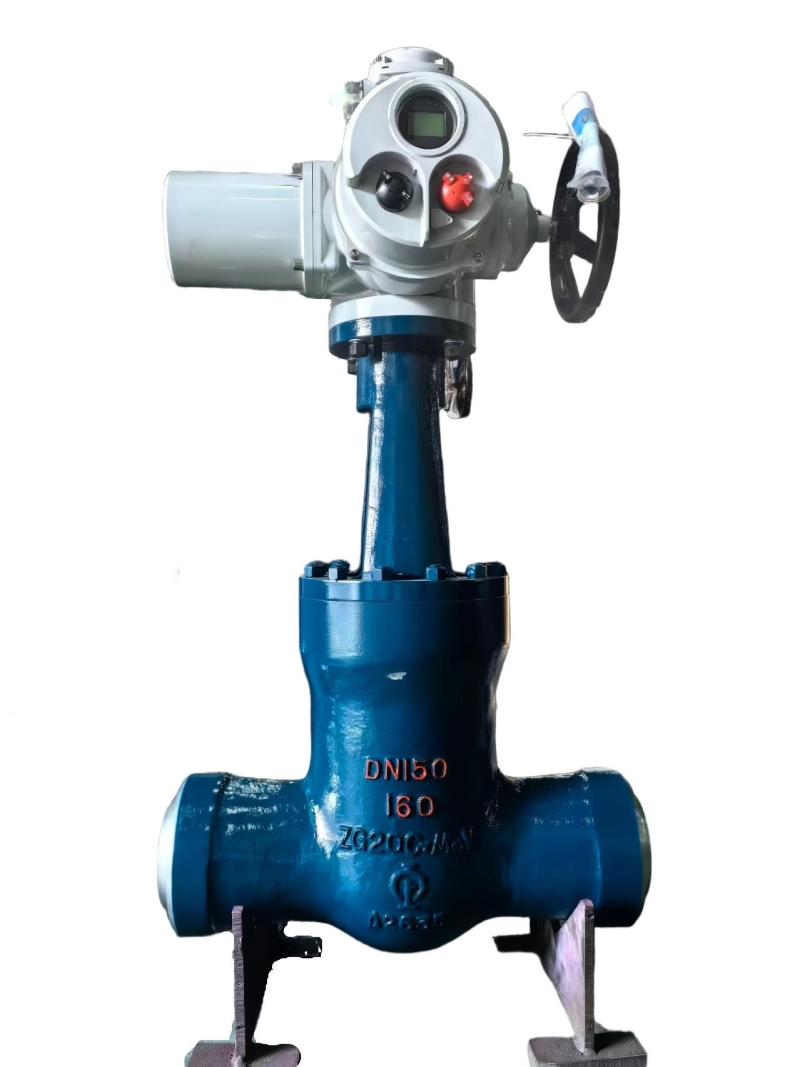
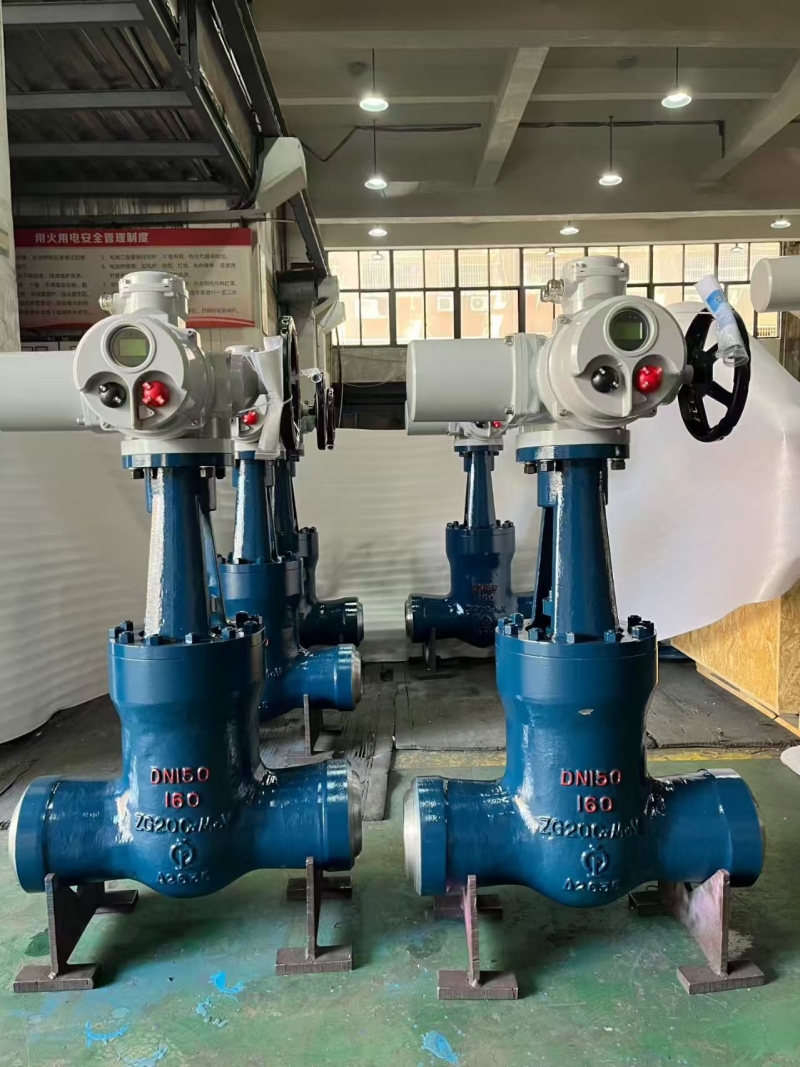
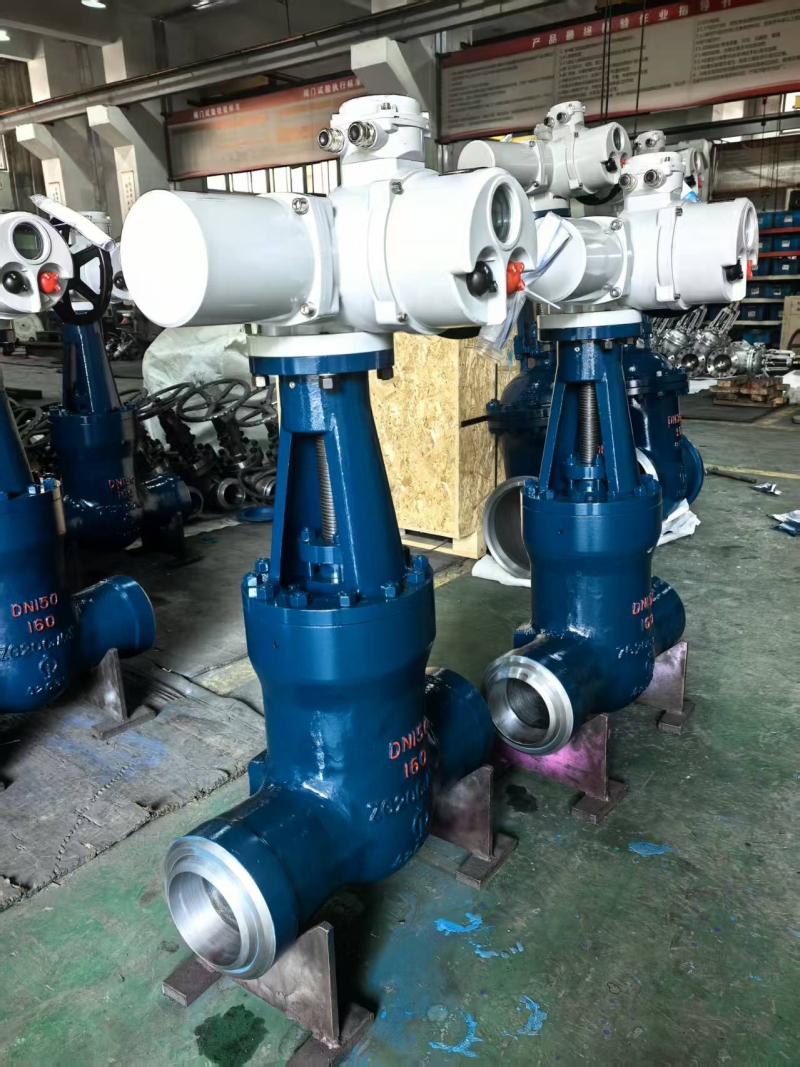
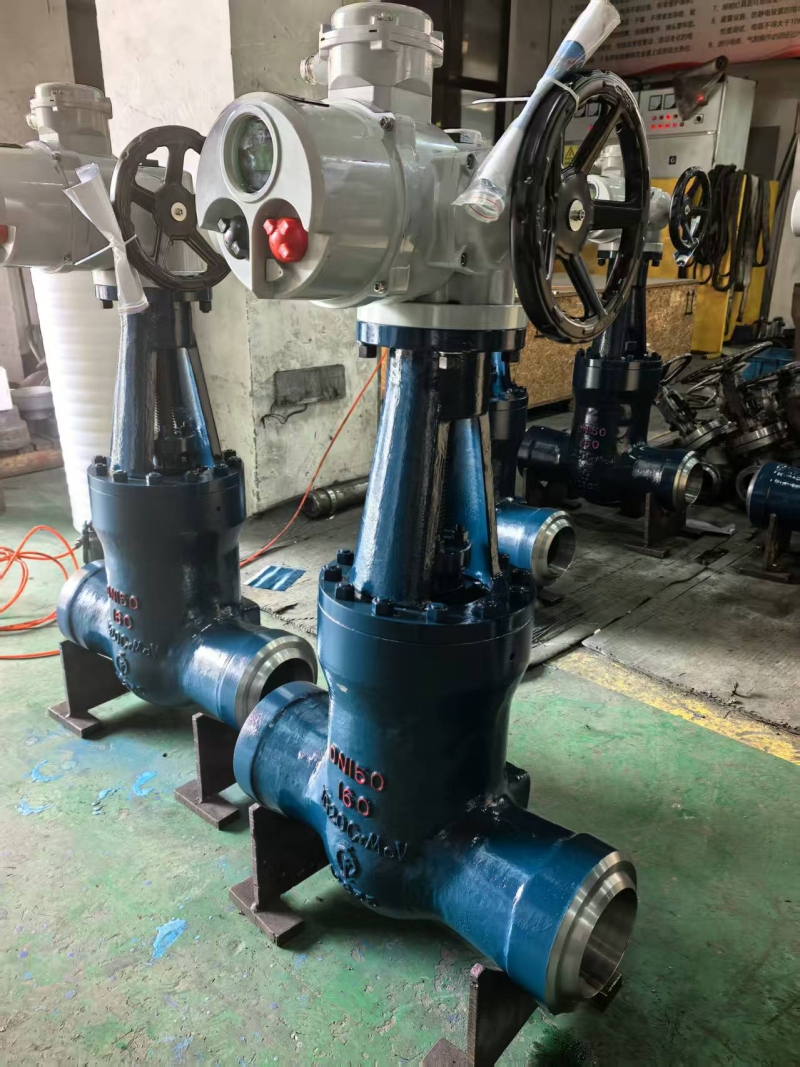
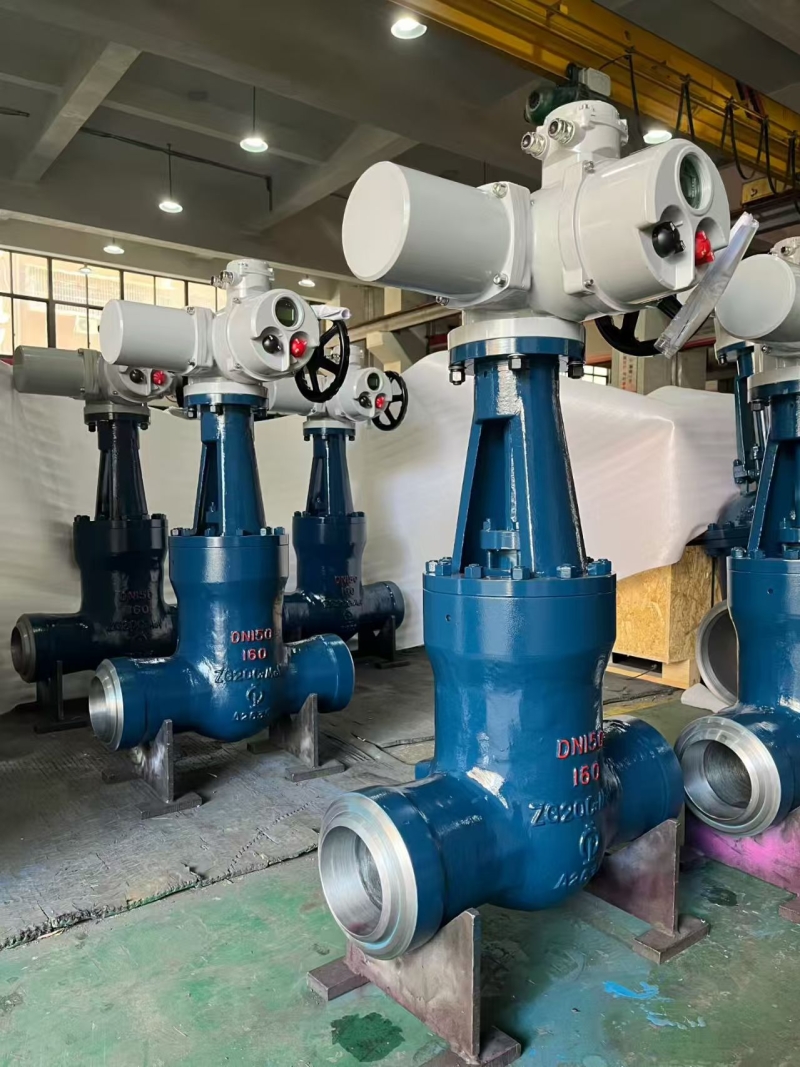
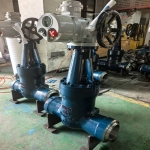
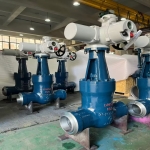
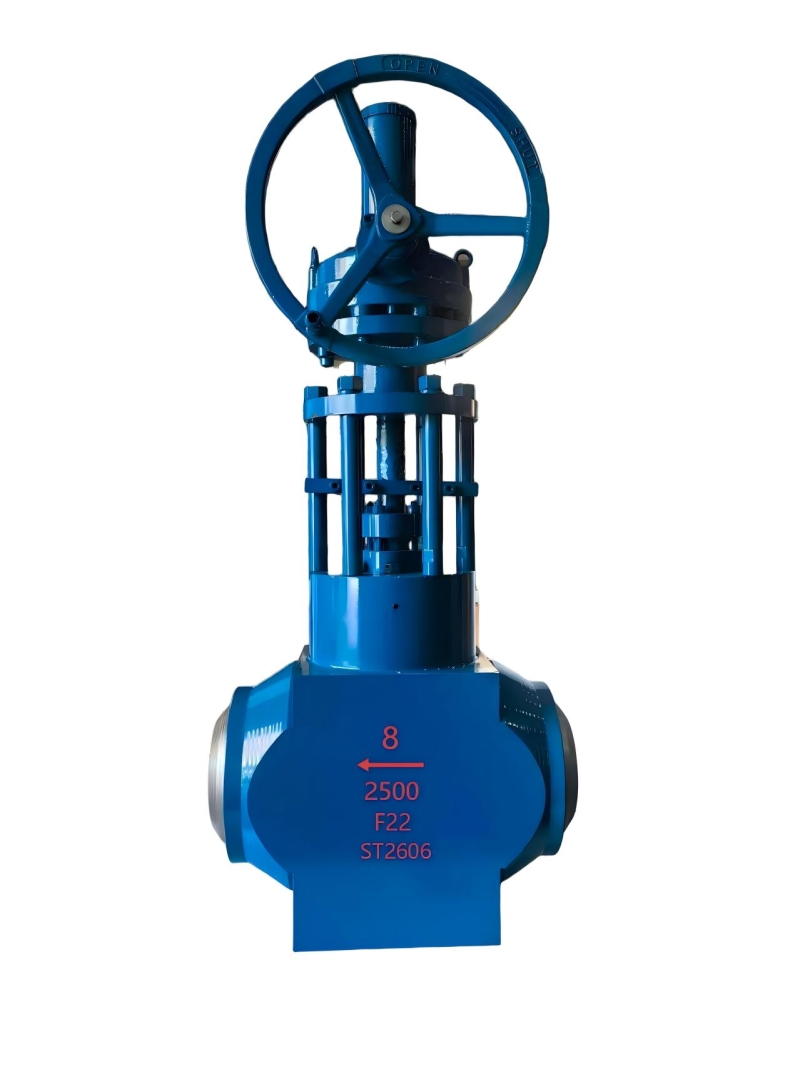
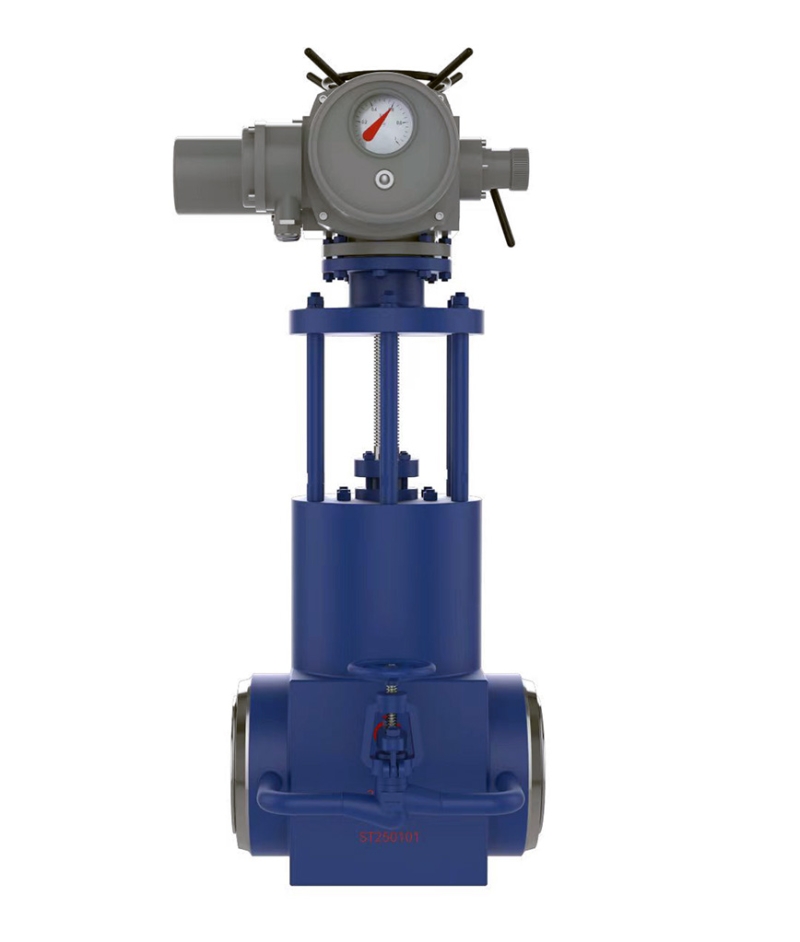
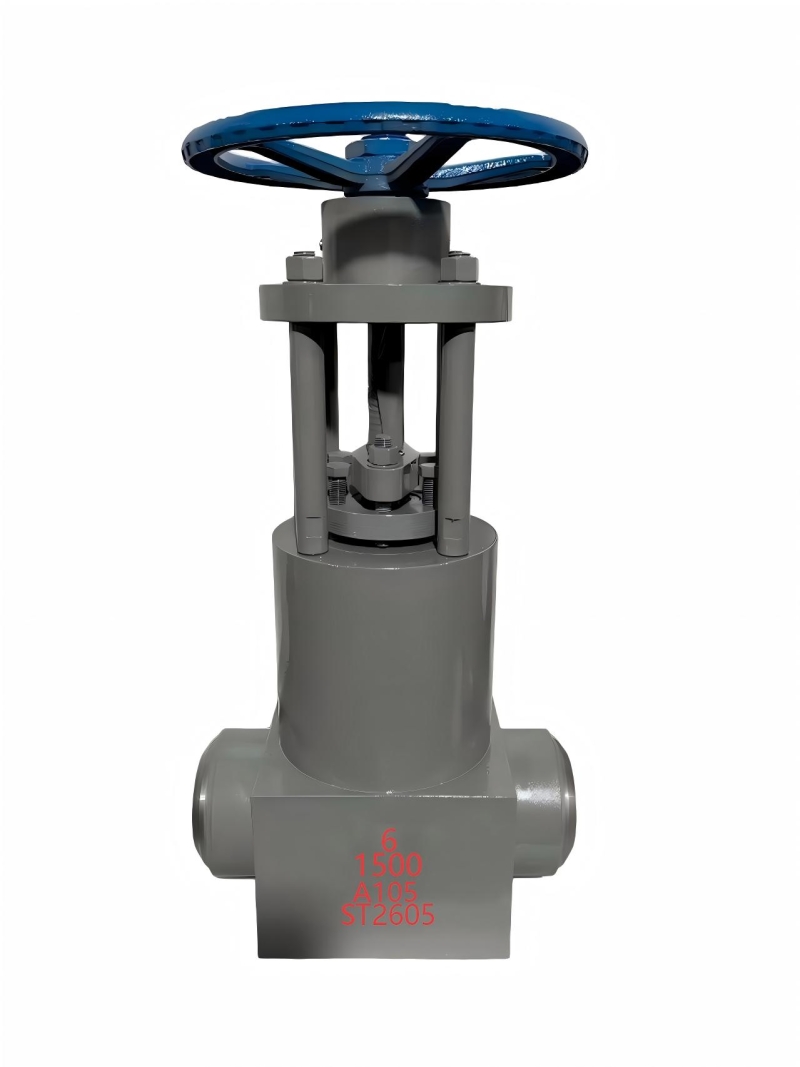
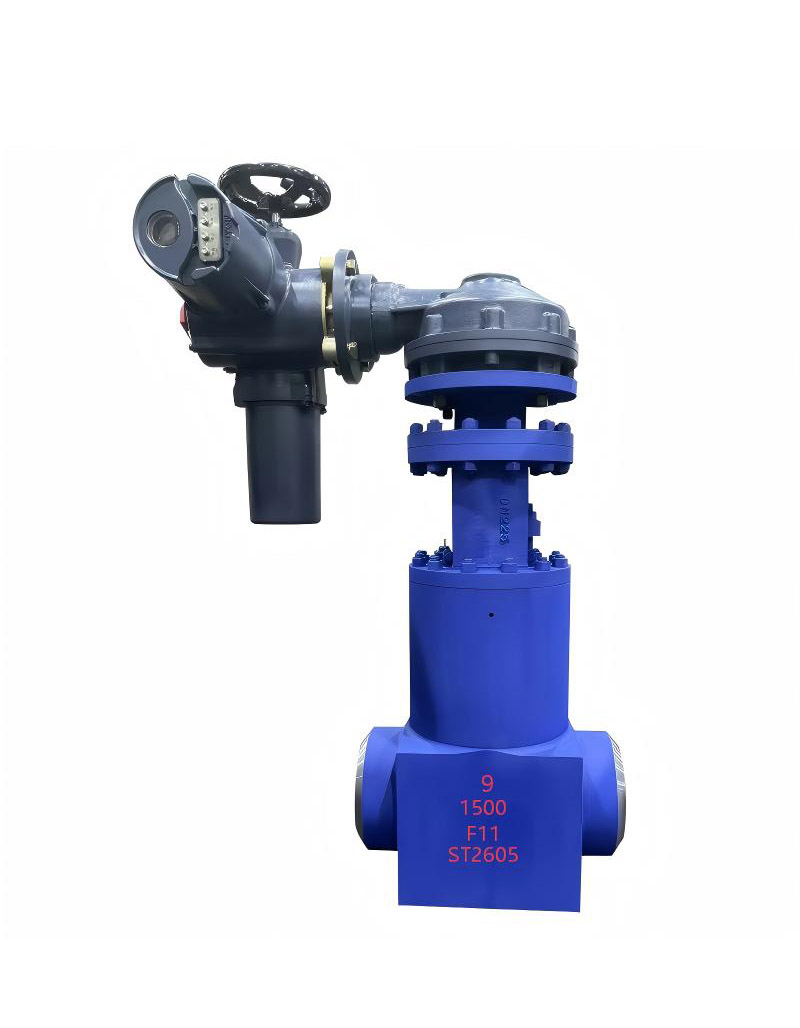
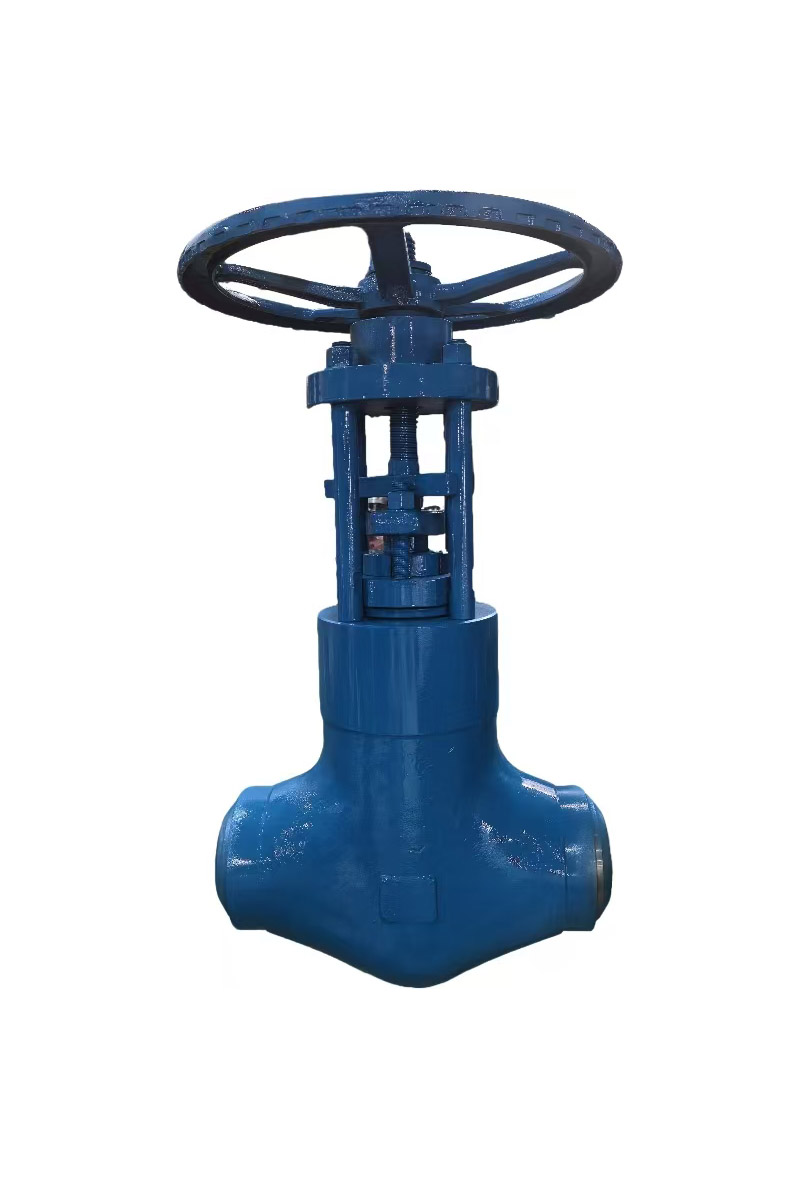
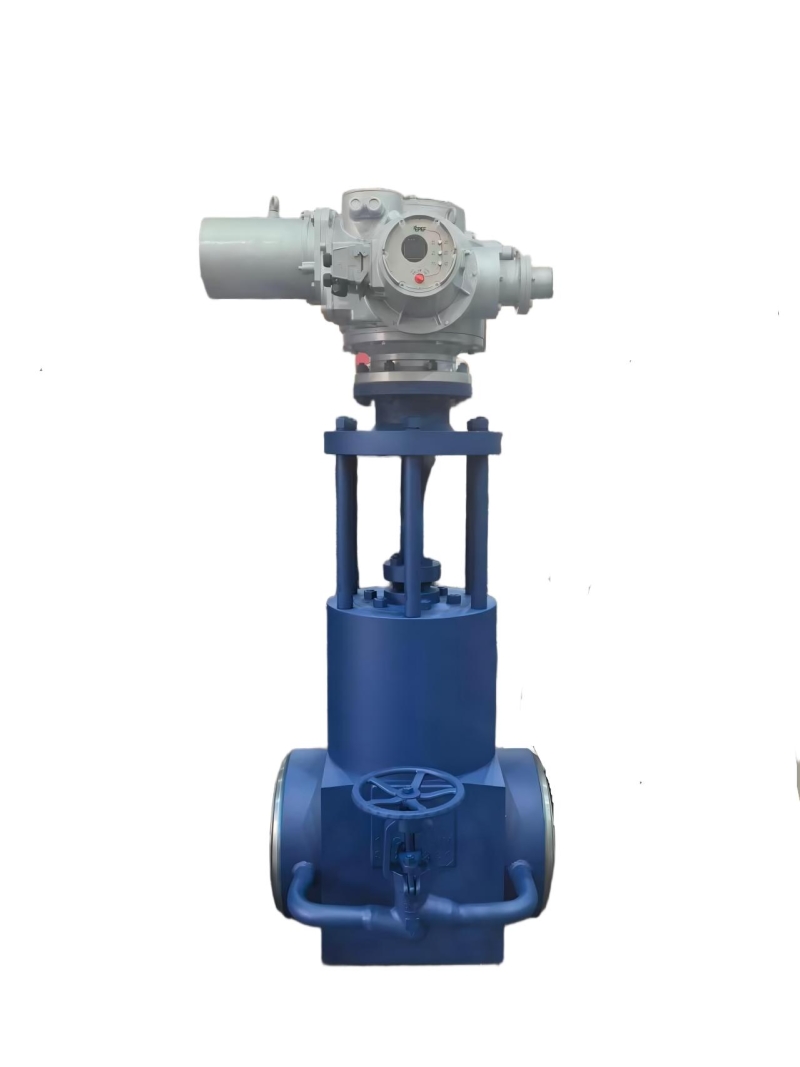
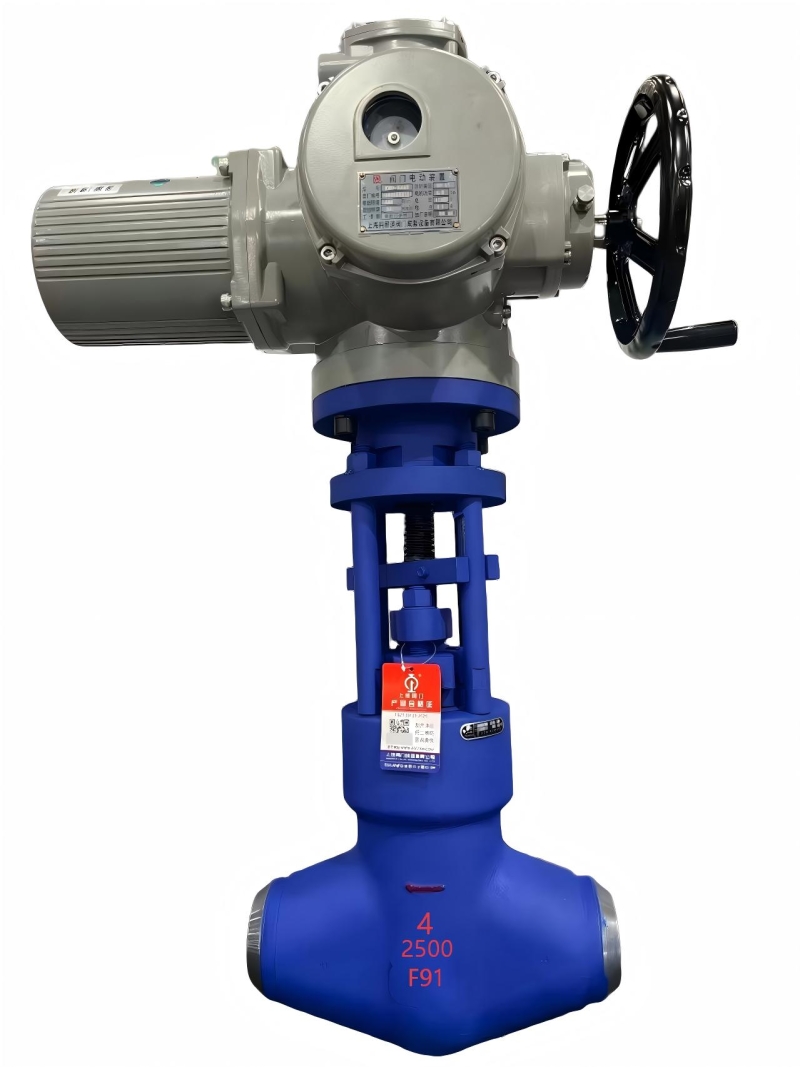
Designed to meet the stringent requirements of Russian and CIS (Commonwealth of Independent States) power infrastructure, the GOST R 52720 Compliant Forged Steel Welded End Pressure Seal Gate Valve delivers unparalleled reliability in extreme high-pressure and high-temperature environments. Unlike API-standard valves, this model adheres to GOST R 52720-2007 (ГОСТ Р 52720-2007) for dimensional compatibility, material specifications, and testing protocols across thermal power plants, nuclear auxiliary systems, and industrial steam networks in Eurasia.
The valve’s pressure seal bonnet utilizes system pressure to dynamically enhance sealing integrity—critical for superheated steam service (up to 580°C) at pressures exceeding 25 MPa (Class 2500). Its forged steel construction (typically 20KhM steel per GOST 22690 or A105 for export variants) eliminates casting defects, ensuring resilience against thermal fatigue and vibration in cyclic power plant operations. The butt-welded ends (per GOST 16037) provide leak-tight integration into high-integrity piping, while the hard-faced Stellite 6 trim resists erosion in abrasive steam/water flows.
2. Key Features
GOST R 52720 Certification
• Fully compliant with GOST R 52720-2007 (dimensional standards, pressure-temperature ratings, testing procedures).
• Optional GOST R ISO 5208 leakage class certification (Class A/B for critical isolation).
• Certified for use in Eurasian Economic Union (EAEU) TR CU 010/2011 safety zones.
Pressure Seal Bonnet for Extreme Conditions
• Self-energizing seal ring (typically 12Kh1MF steel with graphite gasket) tightens under pressure, eliminating bolt loosening risks in thermal cycling.
• Validated for 580°C continuous operation and transient spikes to 620°C (exceeds API 600 limits).
• Reduces maintenance intervals by 40% vs. bolted bonnet designs in Russian power plant field data.
Forged Steel Body & Trim
• Body/Bonnet Material: GOST 20KhM (20CrMo) or ASTM A105 (export models), tested per GOST 22690 for grain structure integrity.
• Seat/Wedge Trim: Stellite 6 hard-facing (min. 3mm overlay) for erosion resistance in steam >450°C.
• Stem: 12Kh18N10T stainless steel (GOST 5632) with rolled threads for fatigue resistance.
Welded End Compatibility
• Butt-weld ends machined to GOST 16037 bevel standards (angle: 30°±2°, root face: 1.5–2mm).
• Pre-weld qualification per GOST 14098 to ensure radiographic (RT) and ultrasonic (UT) acceptance.
• Seamless integration with GOST 8732 seamless pipes in power plant main steam lines.
Operational Safety
• Backseat feature allows in-line packing replacement under pressure (critical for uninterrupted plant operation).
• OS&Y (Outside Screw & Yoke) design for unambiguous position indication in high-risk zones.
• Fire-safe testing per GOST R 53577 (optional for hydrocarbon service).
3. Technical Specifications
Parameter | Specification |
Standard | GOST R 52720-2007, GOST 12815 (flange ratings), ASME B16.34 (export compatibility) |
Size Range | DN 50–600 (2”–24”) |
Pressure Rating | PN 250 (25 MPa) / Class 2500 (custom up to PN 400) |
Temperature Range | -40°C to +580°C (standard); +620°C transient (with 20KhM steel) |
Body Material | GOST 20KhM (20CrMo), ASTM A105, or 15HM (for nuclear auxiliary systems) |
End Connection | Butt Weld (GOST 16037), RF Flange (GOST 12815) on request |
Sealing Type | Pressure Seal Bonnet (PSB) with graphite gasket |
Seat Leakage | GOST R ISO 5208 Class A (zero visible leakage) |
Testing | Hydrostatic shell test (1.5×PN), seat test (1.1×PN), RT/UT per GOST 32569 |
Actuation | Manual gearbox, pneumatic (GOST R 53676), or electric (GOST R IEC 60534-6) |
4. Applications
• Russian Thermal Power Plants (TEPs): Main steam isolation valves (ГПЗУ), hot reheat lines, and feedwater systems in PGU-450/800 combined-cycle units.
• Nuclear Power (AES-2006/WWER-1200): Non-safety-related auxiliary systems (e.g., turbine bypass, condensate polishing).
• CIS Industrial Complexes: High-pressure steam networks in oil refineries (e.g., Rosneft, Gazprom Neft) and metallurgical plants.
• Arctic Climate Operations: Validated for -40°C service in Siberian power stations (e.g., Norilsk, Yakutsk).
5. FAQ
Q1: How does GOST R 52720 differ from API 600 for pressure seal valves?
A: GOST R 52720 specifies stricter dimensional tolerances for Russian piping systems (e.g., face-to-face lengths per GOST 33258 vs. ASME B16.10). It also mandates 20KhM steel for body/bonnet in high-temperature service (vs. ASTM A105/A182 F22 in API 600) and requires GOST 32569 non-destructive testing protocols. Crucially, GOST valves must pass TR CU 010/2011 safety certification for EAEU markets.
Q2: Can this valve replace an API 600 valve in a Russian power plant retrofit?
A: Only if dimensions align with GOST 33258. While pressure ratings may overlap (e.g., Class 2500 ≈ PN 420), API 600 face-to-face lengths differ by 5–15% from GOST standards. Always verify GOST 12815 flange compatibility or weld-end bevel angles before substitution.
Q3: What certifications are mandatory for EAEU market entry?
A: TR CU 010/2011 (safety of machinery) and TR CU 032/2013 (pressure equipment) are compulsory. Optional but recommended: GOST R ISO 9001 (quality management) and Rostekhnadzor registration for nuclear-adjacent applications.
Q4: Why use 20KhM steel instead of ASTM A105 in GOST valves?
A: 20KhM (20CrMo) offers superior temper embrittlement resistance at 550–600°C—critical for Russian supercritical units operating at 24 MPa/560°C. Its Cr-Mo composition also improves oxidation resistance vs. carbon steel (A105), extending service life by 20–30% in field data from Siberian TEPs.
Q5: How is the pressure seal tested per GOST standards?
A: Per GOST 32569, the valve undergoes: - Hydrostatic shell test at 1.5×PN for 5 minutes (no leakage). - Seat leakage test at 1.1×PN with air/water (max. 0.01 cm³/min per inch diameter per GOST R ISO 5208 Class A). - Thermal cycle validation (5 cycles from 20°C to 580°C) for pressure seal integrity.
Q6: Can this valve be used in hydrogen service?
A: Only with modifications. Standard 20KhM steel is prone to hydrogen embrittlement above 100 bar. For hydrogen applications, specify 15HM steel (GOST 4543) with hardness <22 HRC and additional GOST 32567 hydrogen testing.
Q7: What documentation is provided for customs clearance in EAEU?
A: Full package includes: - TR CU Certificate of Conformity (valid for 5 years). - GOST R 52720-2007 Technical Passport (passport технический). - Material test reports (GOST 22536) with chemical/mechanical properties. - Radiographic test records (GOST 7512) for weld zones.