Differences Between API 623 and BS 1873 Globe Valves
September 19, 2026
API 623 and BS 1873 are two important standards associated with steel globe valves used in petroleum, petrochemical, refinery, power and other industrial applications. Although both standards address robust steel globe valve designs, they are not identical. Differences can be found in standard scope, size and pressure ratings, design requirements, valve dimensions, disc guidance, body-to-bonnet construction, materials, sealing arrangements and procurement requirements.
For engineers, EPC contractors, distributors and valve buyers, understanding the differences between API 623 and BS 1873 is important when preparing specifications and RFQs. API 623 is specifically designed around a heavy-duty series of steel globe valves for petroleum refinery and related applications where corrosion, erosion and severe service conditions require heavy wall sections and large stem diameters.
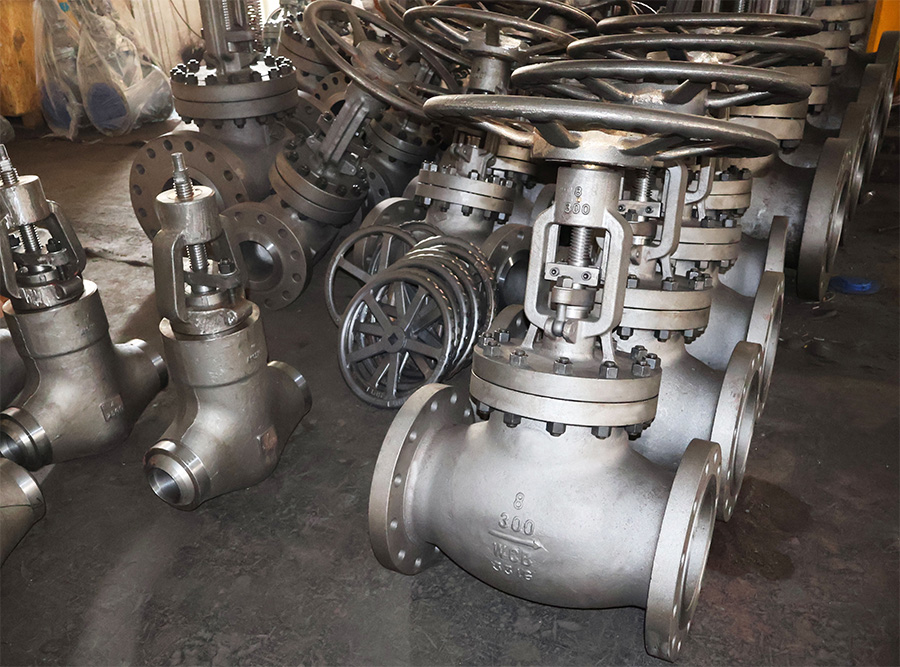
1. API 623 vs BS 1873: Standard Background
API 623 is published by the American Petroleum Institute and is titled Steel Globe Valves—Flanged and Butt-welding Ends, Bolted Bonnets. The current published edition is the second edition from January 2021, with Errata 1 issued in April 2024.
BS 1873 is the British Standard historically used for steel globe and globe stop-and-check valves with flanged and butt-welding ends for petroleum, petrochemical and allied industries. It is an older British specification and is encountered particularly in existing plants, legacy projects and specifications based on British standards.
Therefore, an RFQ should not simply state “API 623 / BS 1873 equivalent” without defining the detailed technical requirements. The purchaser should identify which standard is the governing design standard and which alternatives, if any, are acceptable.
2. Main Specification Differences
One important difference is the scope of API 623. The current API 623 specification covers NPS 2 through 24, corresponding to DN 50 through DN 600. It covers ASME pressure Classes 150 through 2500.
A typical API 623 globe valve specification may therefore be written as:
· Design standard: API 623
· Valve type: Steel globe valve
· Size: NPS 2–24
· Pressure class: ASME Class 150–2500
· Body: Cast steel or specified steel material
· Bonnet: Bolted bonnet
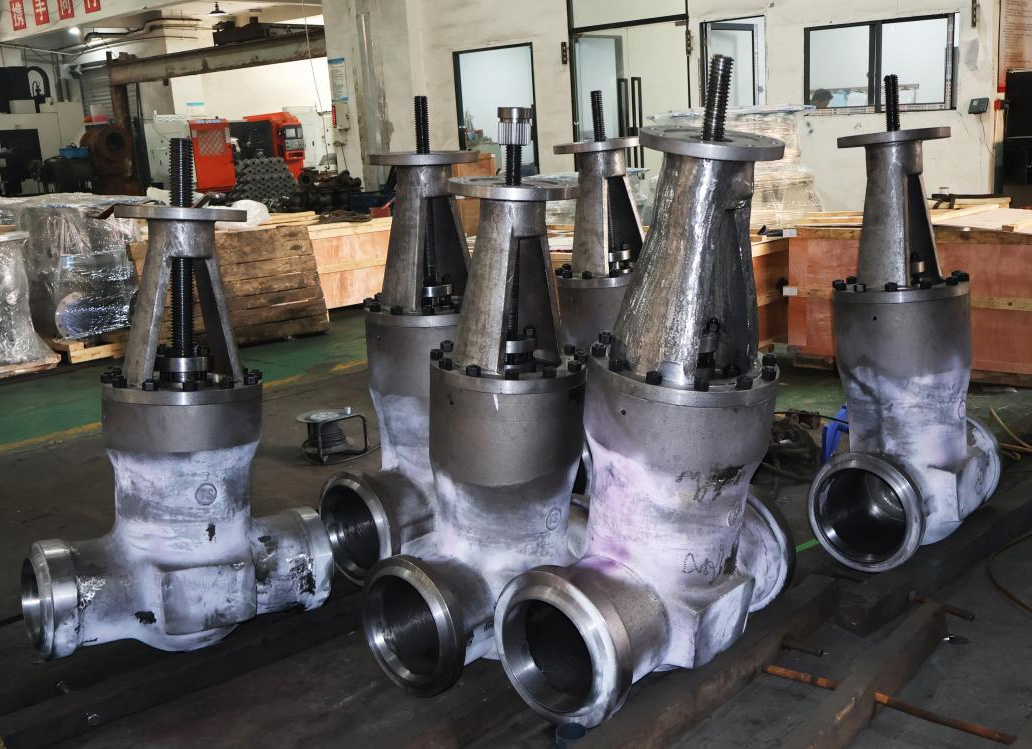
· Ends: Flanged or butt-welding
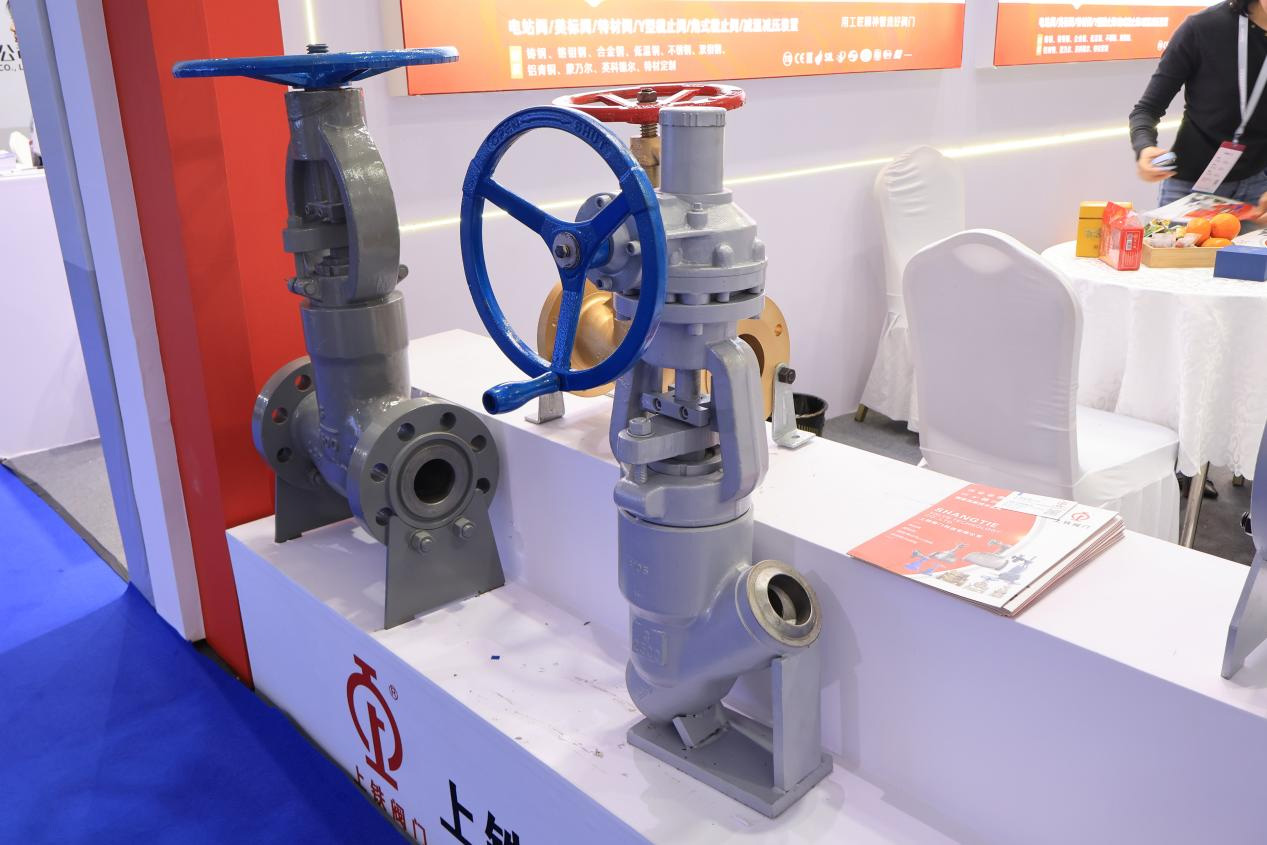
· Pattern: Straight, Y-pattern or angle
· Stem: Rising stem
· Operation: Handwheel, gear operator or actuator
· Seat: Metallic seating
· Testing: Applicable API/ASME requirements
· Inspection: Purchaser/project specification
· Marking: API/project requirements
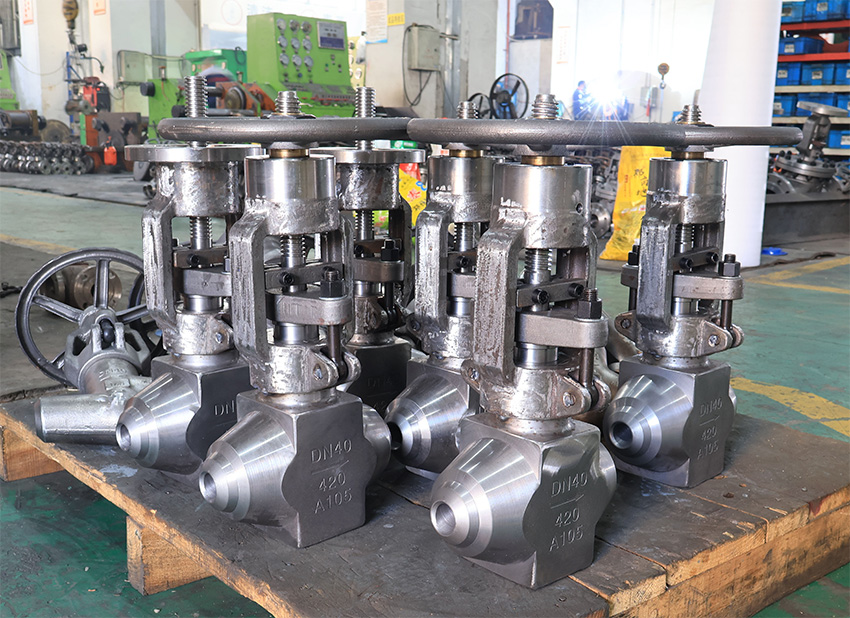
API 623 also recognizes several configurations, including bolted bonnet, pressure-seal bonnet, outside screw and yoke, rising stem arrangements, straight pattern, Y-pattern, right-angle and stop-check designs.
BS 1873 valves can have similar general configurations, but the detailed dimensional and design requirements should be checked against the purchaser's specified edition rather than assuming that a BS 1873 valve is automatically dimensionally identical to an API 623 valve.
3. Body and Bonnet Materials
Material selection is another major part of an API 623 or BS 1873 globe valve RFQ.
Common cast steel materials for industrial globe valves include:
· ASTM A216 WCB carbon steel
· ASTM A216 WCC carbon steel
· ASTM A351 CF8 stainless steel
· ASTM A351 CF8M stainless steel
· ASTM A351 CF3 stainless steel
· ASTM A351 CF3M stainless steel
· Alloy steel grades for elevated-temperature applications
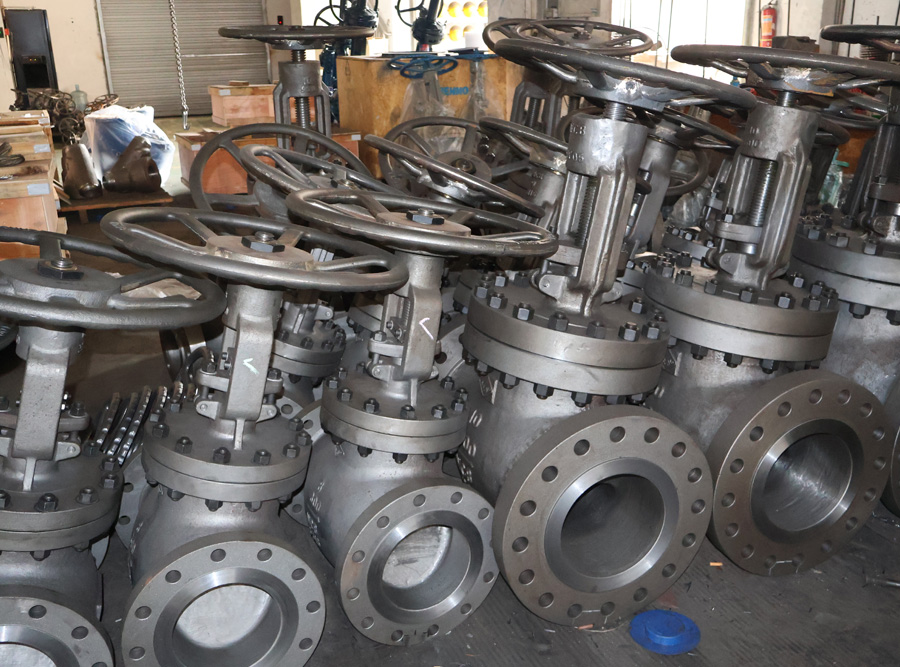
For high-temperature refinery and power applications, alloy steel materials such as WC6 and WC9 may be considered depending on the design temperature, pressure, fluid and applicable material specification.
The purchaser should specify the complete material requirement rather than simply requesting a “cast steel globe valve.” Body, bonnet, stem, disc, seat, trim, bolting, gasket and packing materials may all need individual specification.
For example, an RFQ may request:
Body: ASTM A216 WCB
Bonnet: ASTM A216 WCB
Stem: ASTM A182 F6a or project-approved equivalent
Disc: ASTM A216 WCB with specified hardfacing
Seat: Stainless steel or specified hardfaced material
Bolting: ASTM A193 B7 / ASTM A194 2H
Packing: Flexible graphite or project-approved low-emission packing
Actual material combinations must be confirmed against the applicable standard, pressure-temperature rating, service conditions and project specification.
4. Wall Thickness and Heavy-Duty Construction
One of the key characteristics of API 623 is its heavy-duty construction. The standard is intended for refinery and related applications where corrosion, erosion and other service conditions can justify heavy wall sections and large stem diameters.
This can provide additional mechanical robustness in severe industrial service.
Compared with lighter general-purpose globe valve designs, a heavy-duty API 623 globe valve may have:
· Increased body wall thickness
· Larger stem diameter
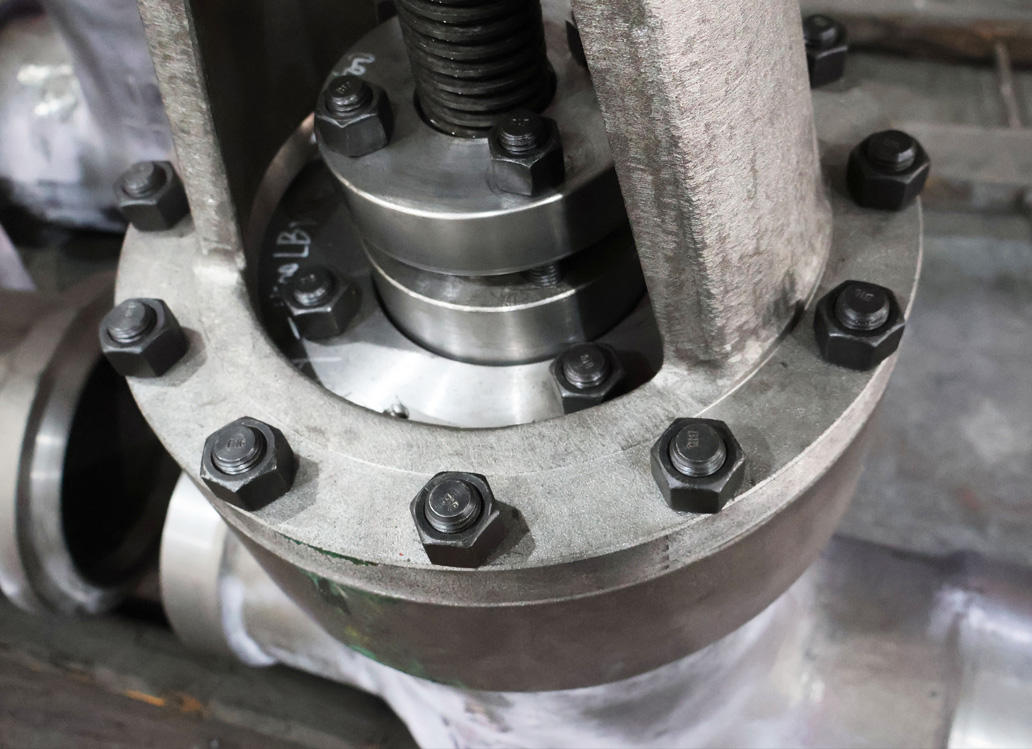
· Robust bonnet construction
· Stronger stem-to-disc connection
· Guided disc arrangements
· Metallic seating surfaces
· Heavy-duty operating components
These characteristics are particularly valuable in high-pressure steam, refinery, petrochemical and energy applications.
5. Disc Design and Flow Control
Globe valves are primarily used for throttling, regulation and isolation. The disc moves toward or away from the seat, allowing the operator to control flow.
API 623 accommodates several disc configurations, including plug, narrow, conical, ball and guided disc designs.
Disc selection depends on:
· Fluid characteristics
· Pressure drop
· Temperature
· Required flow capacity
· Throttling requirements
· Cavitation risk
· Erosion resistance
· Leakage requirements
A conventional globe valve is generally suitable for many industrial flow-control duties, while specialized disc configurations can be selected for particular operating conditions.
6. Disc Guidance
Disc guidance is an important engineering consideration because poor disc alignment can affect sealing performance, wear and valve operation.
API 623 provides specific requirements concerning disc guidance and valve design. In high-pressure applications, robust guiding arrangements can help maintain alignment during operation.
When comparing API 623 and BS 1873 valves, buyers should therefore examine not only the nominal valve size and pressure class but also the detailed disc-guiding requirements specified by the applicable standard and project specification.
7. End Connections
API 623 covers globe valves with flanged and butt-welding ends.
For flanged valves, the RFQ should identify:
· Flange standard
· Pressure class
· Facing type
· Raised face or RTJ, where applicable
· Flange dimensions
· Bore requirements
For butt-welding valves, the purchaser should specify the applicable end preparation and piping requirements.
Typical RFQ wording could be:
NPS 6, Class 600, API 623, cast steel globe valve, RF flanged ends, ASME B16.5, ASTM A216 WCB body, OS&Y, rising stem, graphite packing, handwheel operated.
8. Sealing and Packing Features
API 623 globe valves are designed for demanding refinery and related services. Packing and stem sealing therefore deserve particular attention.
Typical specifications may include:
· Flexible graphite packing
· Low-emission packing
· Backseat arrangement
· Replaceable packing
· Metallic seats
· Spiral-wound or graphite-based bonnet gasket, where applicable
For hydrocarbon service, fugitive-emission requirements can be especially important. However, the buyer should not assume that mentioning API 623 alone completely defines every project-specific fugitive-emission requirement. Additional standards, testing requirements and client specifications may need to be included in the RFQ.
9. API 623 vs BS 1873: Key Features Comparison
| Feature | API 623 | BS 1873 |
|---|---|---|
| Standard organization | American Petroleum Institute | British Standards Institution |
| Valve type | Steel globe valves | Steel globe / globe stop-check valves |
| Typical industry | Refinery, petrochemical, petroleum | Petroleum, petrochemical and allied industries |
| Design emphasis | Heavy-duty construction | Industrial steel globe valve design |
| Pressure designation | ASME Class | Project / standard-specific |
| API 623 size range | NPS 2–24 | Verify specified BS 1873 edition |
| Body styles | Straight, Y-pattern, angle | Various configurations according to specification |
| Bonnet | Bolted bonnet and other recognized arrangements | Bolted bonnet configurations |
| Ends | Flanged / butt-welding | Flanged / butt-welding |
| Seating | Metallic seating surfaces | Metallic seating arrangements |
| Disc | Multiple recognized configurations | Configuration according to standard |
| RFQ approach | Detailed API / project specification | Detailed BS / project specification |
The table should be treated as a procurement guide rather than a statement that the two standards are interchangeable.
10. How to Prepare an RFQ for API 623 Globe Valves
A professional globe valve RFQ should contain enough information for the manufacturer to select the correct design, materials and actuator.
The RFQ should include:
1. Standard
API 623 or BS 1873, including the specified edition.
2. Valve type
Globe valve, globe stop-check valve, straight pattern, Y-pattern or angle type.
3. Size
NPS/DN.
4. Pressure class
ASME Class 150, 300, 600, 900, 1500 or 2500, as applicable.
5. End connection
RF flange, RTJ flange or butt-welding end.
6. Body material
For example, ASTM A216 WCB, WCC, CF8 or CF8M.
7. Trim material
Stem, disc, seat and other wetted components.
8. Fluid
Steam, water, oil, gas, hydrocarbons, chemicals or other process media.
9. Design temperature and pressure
Maximum/minimum design and operating conditions.
10. Leakage requirement
Specify the applicable test and acceptance criteria.
11. Operation
Handwheel, gear, pneumatic actuator, electric actuator or hydraulic actuator.
12. Inspection and documentation
MTCs, hydrostatic test reports, PMI, NDE, dimensional inspection, coating records, certificates and other project documents.
11. Which Standard Should You Choose?
API 623 is a strong choice when the project specification is based on API standards and requires heavy-duty steel globe valves for refinery, petrochemical or severe industrial service. Its current scope specifically addresses heavy-duty steel globe valves and includes Class 150 through Class 2500 designs in NPS 2 through NPS 24.
BS 1873 may be appropriate when the project specification, existing plant or client documentation specifically calls for the British standard. However, purchasers should verify the applicable edition and whether the standard remains an accepted project requirement.
Most importantly, API 623 and BS 1873 should not be treated as automatically interchangeable standards. A manufacturer should review the complete valve datasheet, piping class, material specification and client engineering standard before offering an equivalent valve.
The main difference between API 623 and BS 1873 globe valves is not simply the name of the standard. The differences extend to design philosophy, scope, dimensions, pressure ratings, wall thickness, stem design, disc guidance, materials, sealing systems and procurement requirements.
API 623 is particularly associated with heavy-duty steel globe valves for petroleum refinery and related applications. Its current specification covers NPS 2–24 and ASME Classes 150–2500, with flanged or butt-welding ends and several globe-valve configurations.
For an RFQ, buyers should specify the governing standard, size, pressure class, body and trim materials, end connection, temperature, pressure, medium, operating method, testing, inspection and documentation requirements. A well-prepared RFQ allows the valve manufacturer to provide a technically compliant quotation while avoiding costly misunderstandings between API 623, BS 1873 and other globe valve standards.