How to Choose the Right Disc for a Globe Valve: A Practical Selection Guide
September 18, 2026
Introduction
Selecting the right disc is therefore essential when designing or purchasing a globe valve. Different operating conditions require different disc designs and materials. Factors such as medium, pressure, temperature, flow characteristics, and operating frequency should all be considered before making a selection. This practical guide explains the main types of globe valve discs and the key factors to consider when choosing the appropriate design.
What Is a Globe Valve Disc?
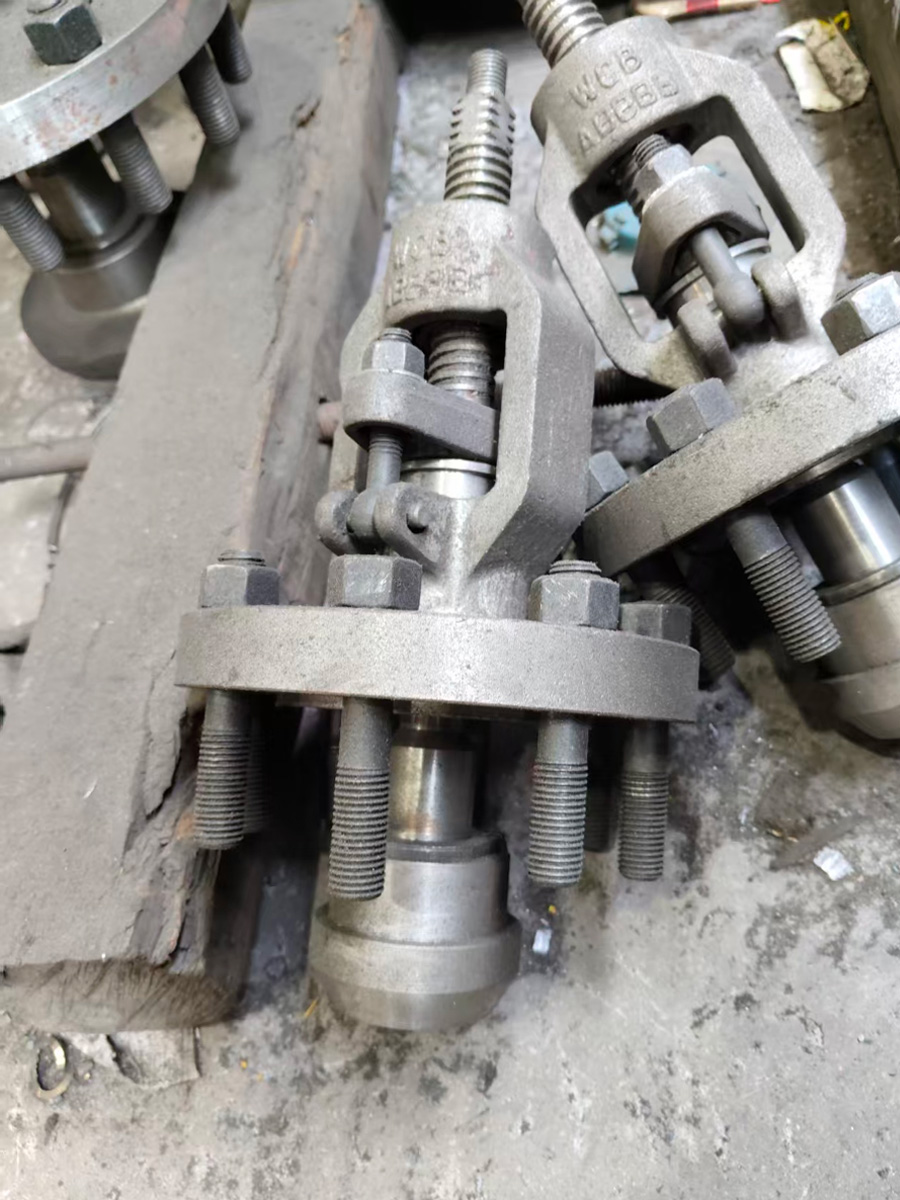
disc is the movable closure element inside the valve body. When the valve is closed, the disc moves against the valve seat and prevents the medium from passing through. When the valve is opened, the disc moves away from the seat, allowing fluid to flow through the valve.
For this reason, disc selection should be based on the actual operating conditions rather than simply the nominal valve size.
Common Types of Globe Valve Discs
1. Flat Disc
Flat discs are suitable for many general industrial services where the pressure, temperature, and medium are within normal operating ranges. Their relatively simple structure can also make manufacturing and maintenance more convenient.
2. Conical Disc
Conical discs are particularly suitable when reliable shutoff is required under relatively high pressure. Their geometry also helps provide controlled contact between the disc and seat during operation.
3. Parabolic Disc
This type of disc is useful when the globe valve is required not only to isolate the pipeline but also to regulate the flow. The design can provide more stable control over a wide range of opening positions.
4. Needle-Type Disc
The fine geometry of the disc allows the operator to make relatively precise adjustments to the flow. However, the selection should take into account the pressure drop and the characteristics of the medium.
How to Select the Right Globe Valve Disc
Consider Operating Pressure
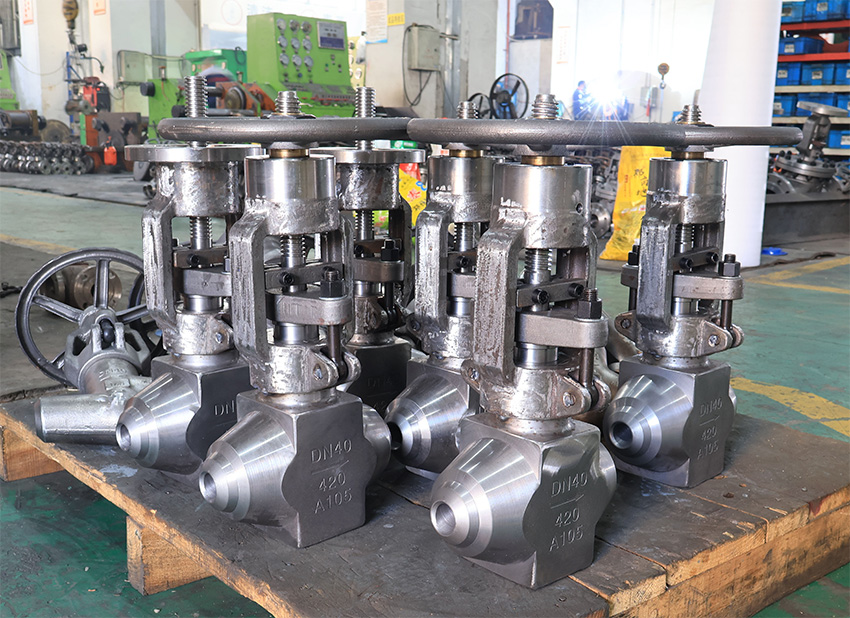
For high-pressure globe valves, stronger materials and suitable sealing geometries may be required. Forged steel globe valves used in high-pressure applications often use specially selected alloy or stainless-steel components to improve mechanical strength and durability.
Consider Operating Temperature
For elevated-temperature services, alloy steels and other heat-resistant materials may be selected according to the design standard and operating conditions. The disc material should maintain adequate strength and resistance to deformation at the required temperature.
Consider the Medium
For corrosive fluids, stainless steel or corrosion-resistant alloys may be appropriate. For steam and high-temperature applications, alloy steel or hardfaced sealing surfaces may provide better resistance to erosion and wear.
If the globe valve is primarily used for shutoff, a conventional disc design may be sufficient. If the valve is frequently used for throttling, the disc geometry becomes much more important.
The number of valve operating cycles also affects disc selection. A valve that is opened and closed occasionally may have different requirements from a valve that is continuously used for regulation.
Disc material should be selected together with the valve body, seat, and process conditions. Common materials include carbon steel, stainless steel, alloy steel, and special alloys.
In demanding services, hardfacing materials such as Stellite-type alloys may be applied to sealing surfaces to improve resistance to erosion, wear, and high-temperature service conditions.
Flat, conical, parabolic, and needle-type discs each have their own characteristics and are suitable for different operating conditions. Material selection is equally important, especially for high-pressure, high-temperature, corrosive, or abrasive services.
By evaluating disc geometry, material, sealing requirements, and actual operating conditions together, engineers and valve buyers can select a globe valve that provides reliable shutoff, effective flow control, and long-term service performance. For specialized applications, working with an experienced valve manufacturer can also help ensure that the disc design is properly matched to the complete valve and operating system.