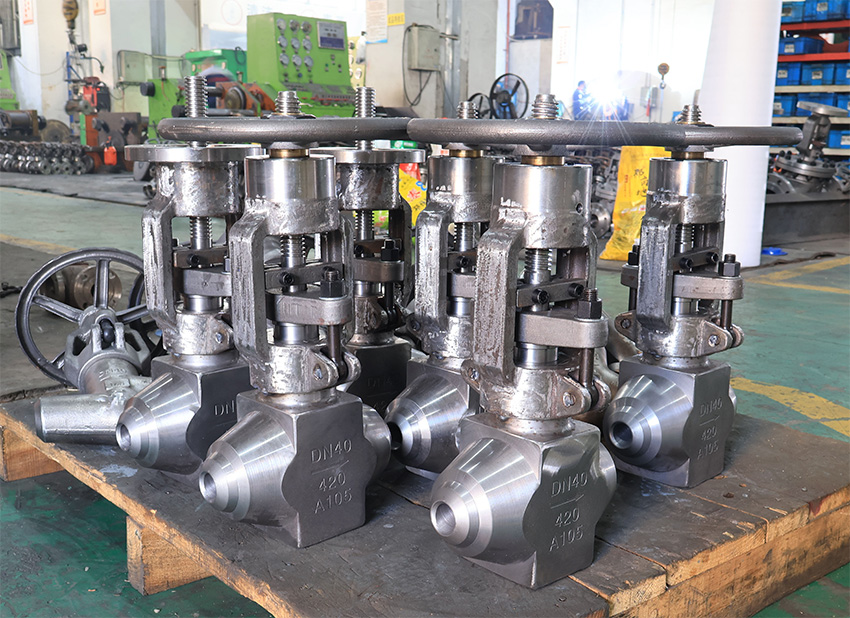
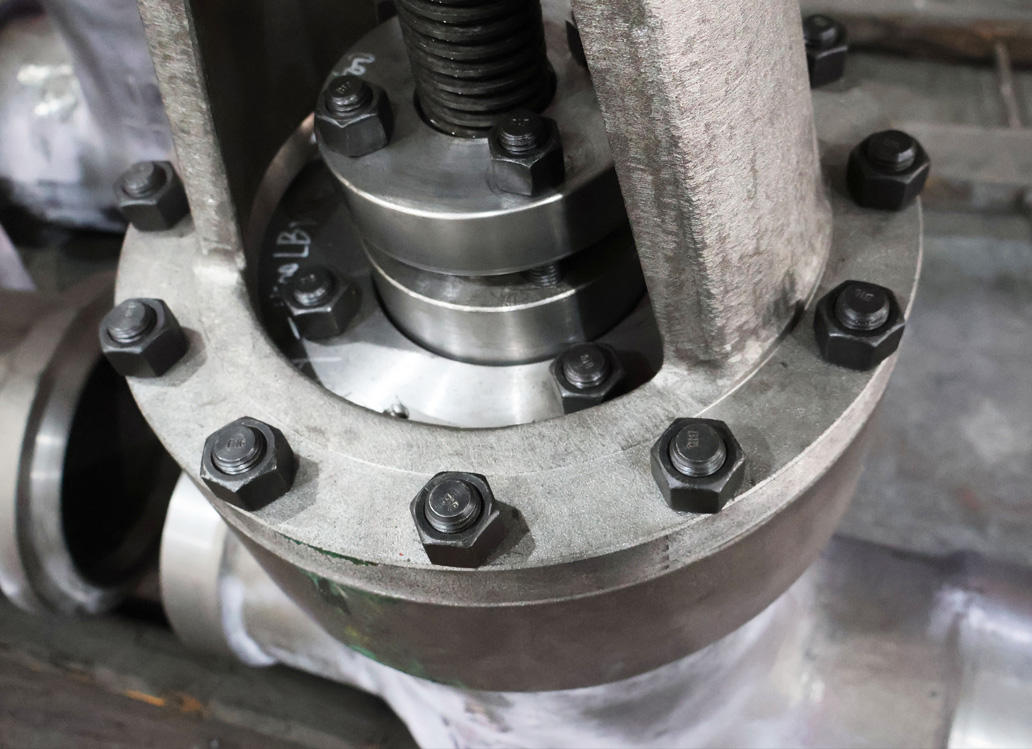
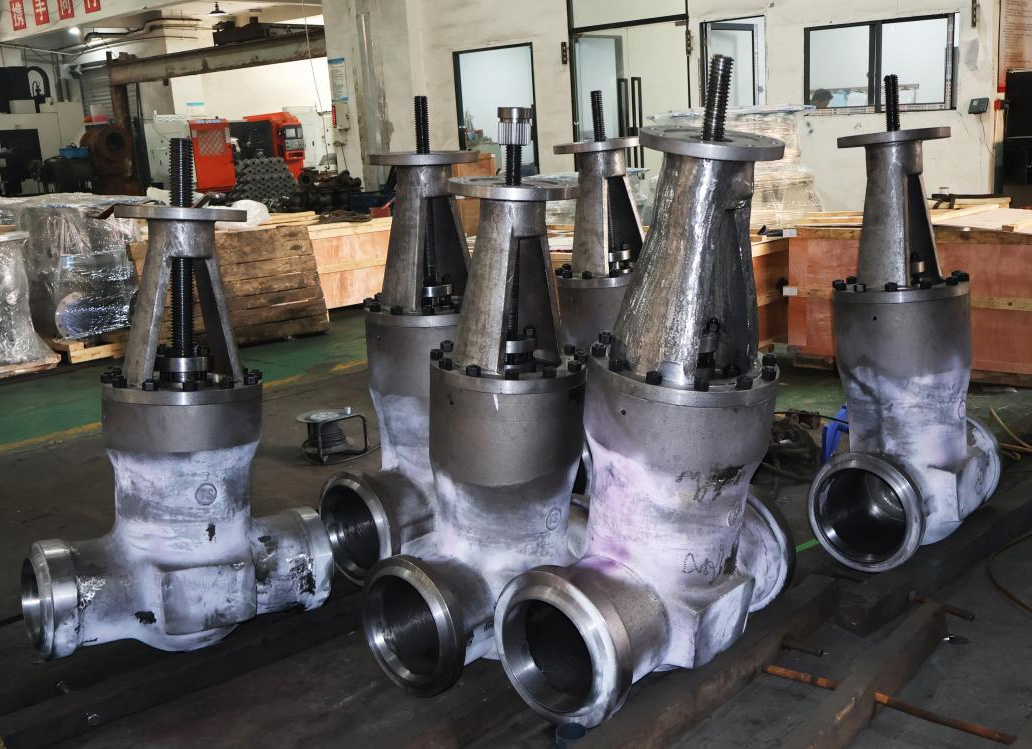
API Power Station Valve with Pressure Sealed Bonnet
September 22, 2026
An API power station valve with a pressure sealed bonnet is designed for demanding high-pressure and high-temperature service conditions commonly found in power generation systems. Compared with conventional bolted-bonnet valve designs, the pressure sealed construction uses internal system pressure to help improve the sealing force between the bonnet and valve body. This design can provide reliable sealing performance while maintaining a robust and compact pressure-retaining structure.
Pressure sealed valves are widely considered for applications where pressure and temperature conditions place high demands on valve body and bonnet connections. Depending on the piping system and project requirements, power station valves with pressure sealed bonnets can be manufactured as gate valves, globe valves, and other specialized valve designs.
What Is a Pressure Sealed Bonnet?
A pressure sealed bonnet is a valve bonnet design in which internal fluid pressure contributes to the sealing force between the bonnet and the valve body. Instead of relying solely on external bolting to maintain the pressure boundary, the internal pressure helps press the sealing components against the corresponding sealing surfaces.
As system pressure increases, the sealing force can increase accordingly. This operating principle makes pressure sealed construction particularly suitable for certain high-pressure services. The exact design of the bonnet, gasket or sealing ring, body configuration, and retaining components depends on the valve type, pressure rating, material, and applicable standard.
For power station applications, this design can help reduce the risk of leakage from the body-to-bonnet connection when the valve is properly engineered, manufactured, installed, and maintained.
API Standards for Power Station Valves
API power station valves are manufactured according to applicable industry standards and project specifications. Depending on the valve design, relevant standards may include API 600 for steel gate valves and API 602 for compact forged steel gate, globe, and check valves. Other ASME standards may also be applied to dimensions, pressure ratings, end connections, materials, and testing.
The actual standard should be selected according to the valve type and project requirements. Pressure class, nominal size, body material, end connection, design temperature, design pressure, and service medium should all be confirmed before manufacturing.
A professional valve manufacturer can also provide valves according to customer drawings, technical specifications, inspection plans, and other project documentation.
Main Types of Pressure Sealed Power Station Valves
Pressure sealed bonnet construction is commonly associated with high-pressure gate and globe valves.
Pressure Sealed Gate Valves are primarily used for pipeline isolation. When fully open, the gate moves away from the flow passage, allowing the valve to provide relatively low flow resistance. These valves are suitable for applications where reliable on-off isolation is required.
Pressure Sealed Globe Valves are generally used where flow control or throttling is required. The disc moves toward or away from the seat, allowing the flow rate to be adjusted. Their construction can be designed for demanding pressure and temperature conditions.
Other valve designs may also be developed for specialized power station services depending on the project specification. The valve configuration should always match the actual operating requirements.
Materials and Construction
Material selection is essential for pressure sealed power station valves because the valve may be exposed to high pressure, high temperature, steam, water, or other process media.
Common pressure-retaining materials include carbon steel, alloy steel, stainless steel, and forged steel. ASTM A216 WCB may be used for suitable cast steel applications, while ASTM A105 or A105N is commonly used for forged steel components. Alloy steel grades such as ASTM A182 F11 and F22 can be considered for elevated-temperature applications when specified by the engineering design.
The stem, disc, seat, bonnet, gasket, packing, and other internal components must also be selected according to the operating conditions. Depending on the service requirements, hardfacing or other surface treatments may be applied to improve wear resistance and sealing performance.
High Pressure and High Temperature Performance
One of the major advantages of a pressure sealed bonnet is its suitability for certain high-pressure applications. As internal pressure increases, the pressure-assisted sealing mechanism can generate greater sealing force between the bonnet and body sealing surfaces.
This design principle can be especially useful in power station piping systems where elevated pressure and temperature are present. However, valve performance depends on the complete valve design rather than the bonnet structure alone. Body thickness, pressure rating, materials, machining accuracy, seat design, stem packing, gasket selection, and manufacturing quality all contribute to overall performance.
For this reason, the valve should be selected based on the actual design pressure, design temperature, medium, operating frequency, and applicable standards.
Manufacturing and Quality Inspection
Reliable manufacturing and inspection are important for API power station valves with pressure sealed bonnets. Production may involve forging or casting, heat treatment, CNC machining, welding, assembly, pressure testing, and final inspection.
Typical quality control procedures can include visual inspection, dimensional inspection, material verification, shell pressure testing, seat leakage testing, and operational testing. Depending on project requirements, non-destructive testing such as ultrasonic testing, radiographic testing, magnetic particle testing, or liquid penetrant testing may also be performed.
Material certificates, inspection reports, pressure test records, and other quality documents can be supplied according to customer requirements.
Customized Pressure Sealed Power Station Valves
Different power generation projects have different technical requirements. Therefore, API power station valves with pressure sealed bonnets can be customized according to size, pressure class, material, connection type, operating method, and service conditions.
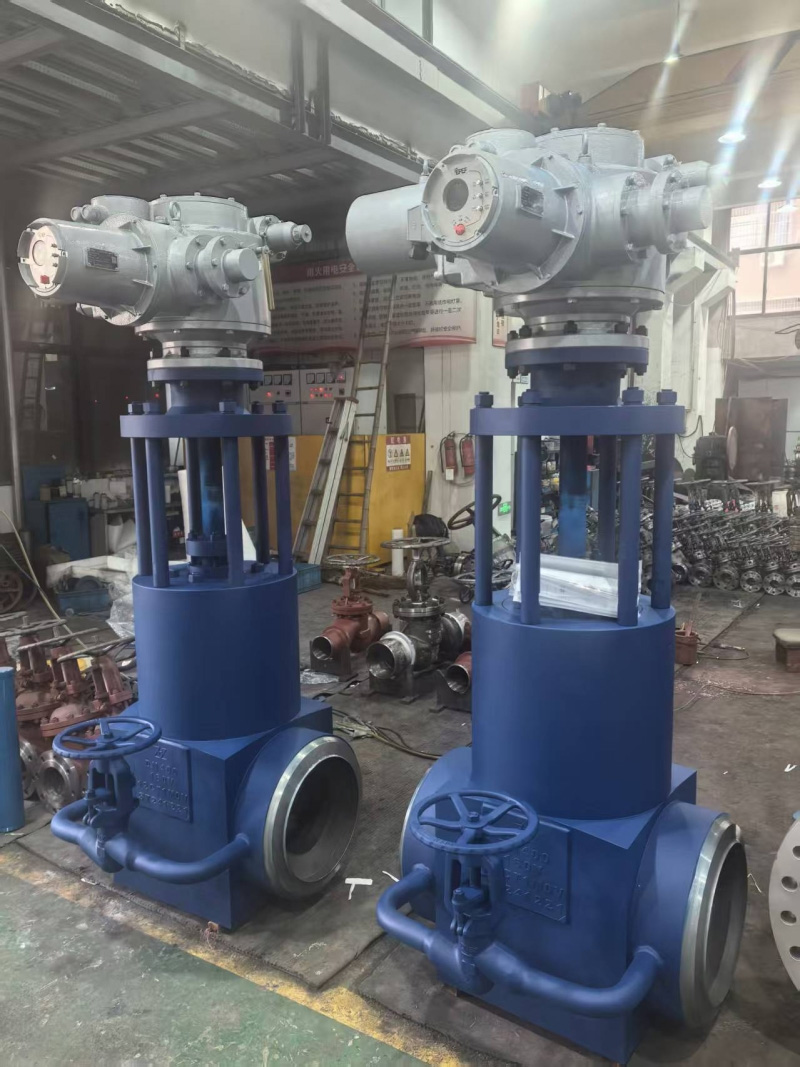
Common options include flanged ends, butt-weld ends, gearbox operation, electric actuation, special alloy materials, customized stem configurations, and project-specific inspection requirements.
Before production, customers should provide key technical information such as valve size, pressure class, design temperature, medium, end connection, material requirements, applicable standards, and quantity. This information allows the manufacturer to select a suitable valve structure and prepare an accurate quotation.
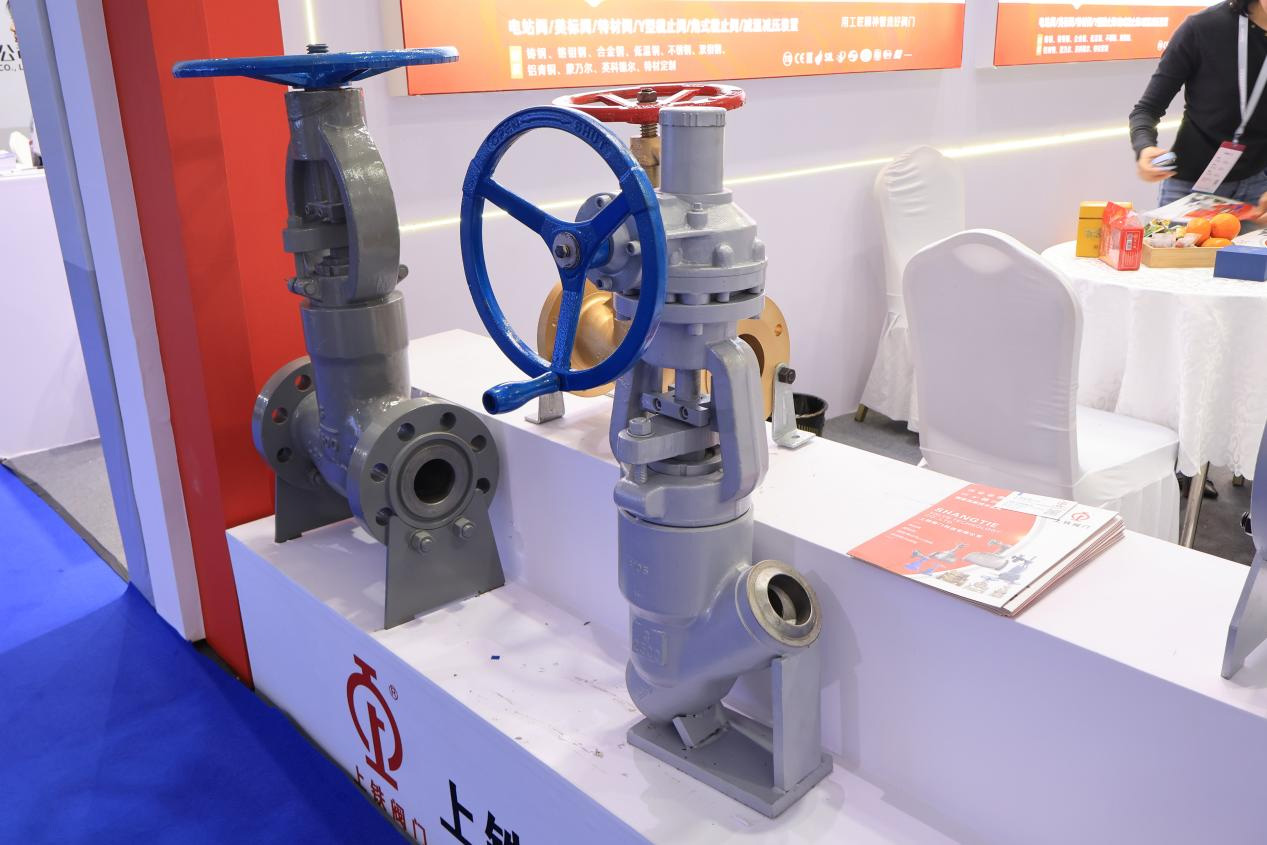
API power station valves with pressure sealed bonnets are engineered for demanding services where reliable pressure containment and sealing performance are essential. The pressure-assisted bonnet design can provide an effective sealing structure for suitable high-pressure and high-temperature applications.
With appropriate API and ASME standards, carefully selected materials, precise manufacturing, and comprehensive inspection, pressure sealed gate and globe valves can provide dependable service in power generation and industrial piping systems.
For power station projects, valve selection should always be based on actual operating conditions and applicable technical specifications. A professional manufacturer can provide customized API pressure sealed power station valves in different sizes, pressure classes, materials, end connections, and operating configurations to meet specific project requirements.