Why Are Bypass Forged Steel Globe Valves Important in Industrial Piping
September 21, 2026
In modern industrial piping systems, bypass forged steel globe valves play an important role in flow control, pressure management, equipment protection, and safe operation. They are commonly used around large valves, steam systems, power plants, refineries, petrochemical facilities, oil and gas pipelines, and other high-pressure applications where controlled flow through a bypass line is required.
A bypass valve provides an alternative flow path around the main valve or equipment. When the main pipeline valve is large or operates under significant differential pressure, opening it directly can create excessive pressure shock, high operating torque, or potential damage to downstream equipment. A properly designed bypass system can help equalize pressure gradually before the main valve is fully opened.
Forged steel construction provides excellent mechanical strength and reliability for demanding service conditions. When combined with the throttling and regulating characteristics of a globe valve, a forged steel bypass globe valve can provide precise control of the smaller bypass flow.
For industrial users, understanding the importance, applications, features, materials, standards, and selection criteria of bypass forged steel globe valves is essential for designing reliable piping systems.
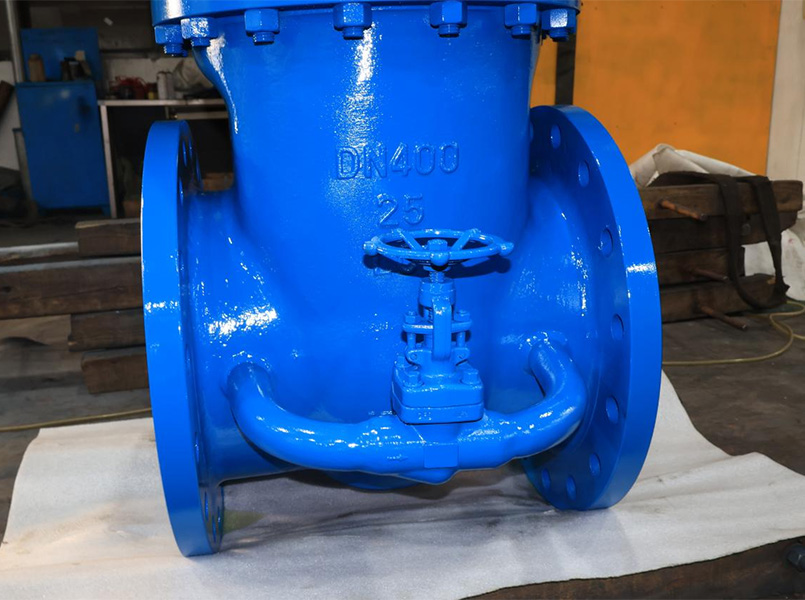
What Is a Bypass Forged Steel Globe Valve?
A bypass forged steel globe valve is a globe-type valve installed in a bypass line to control or regulate fluid flow around a main valve, pipeline section, pump, turbine, heat exchanger, or other process equipment.
Unlike the main line valve, which may be designed primarily for isolation, the bypass valve is often used for controlled opening, pressure equalization, warming, startup, minimum-flow protection, or gradual pressurization.
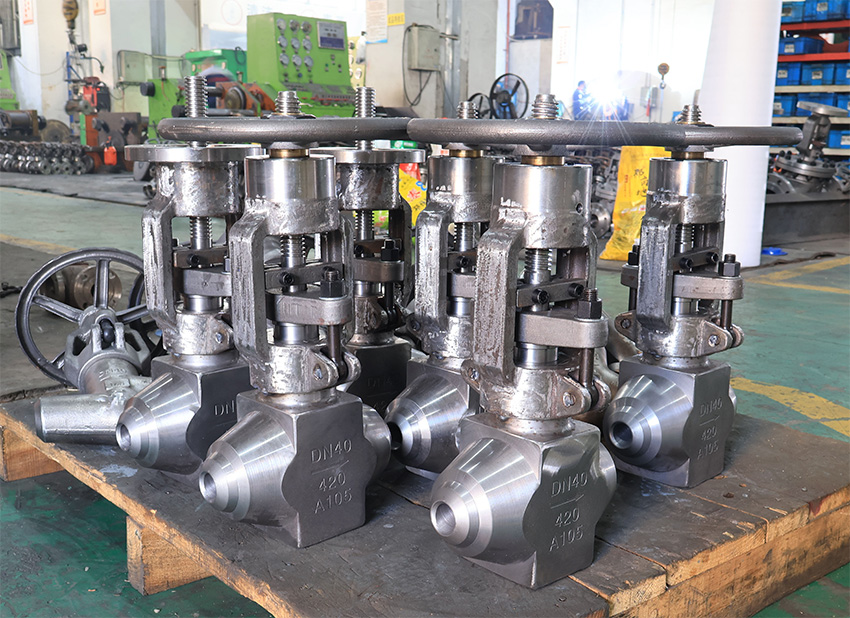
The valve body is manufactured from forged steel rather than cast steel. Forging can provide a dense and mechanically strong valve body suitable for high-pressure and high-temperature applications.
Typical configurations include:
· Forged steel body
· Globe valve flow-control design
· Small nominal pipe size
· Threaded, socket-weld, or butt-weld ends
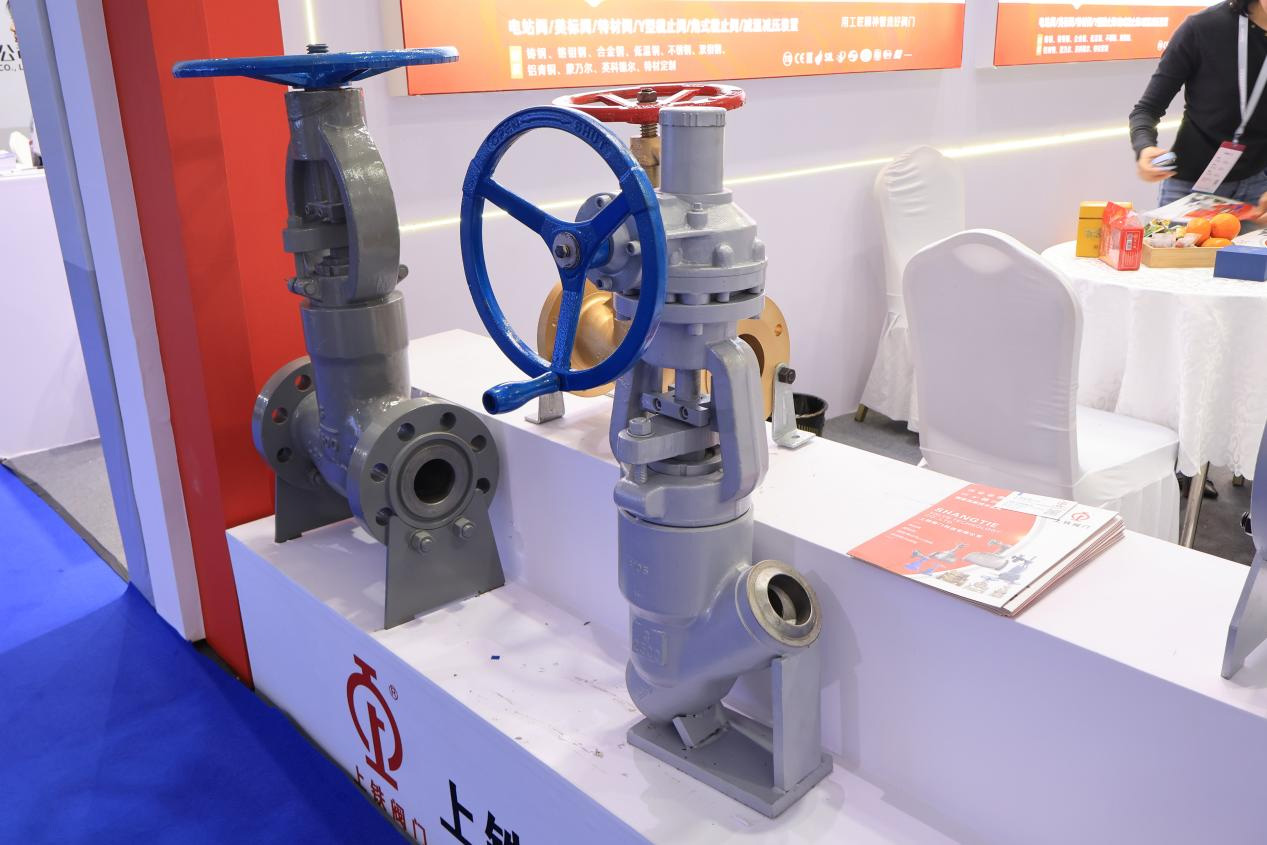
· Manual handwheel operation
· Rising stem
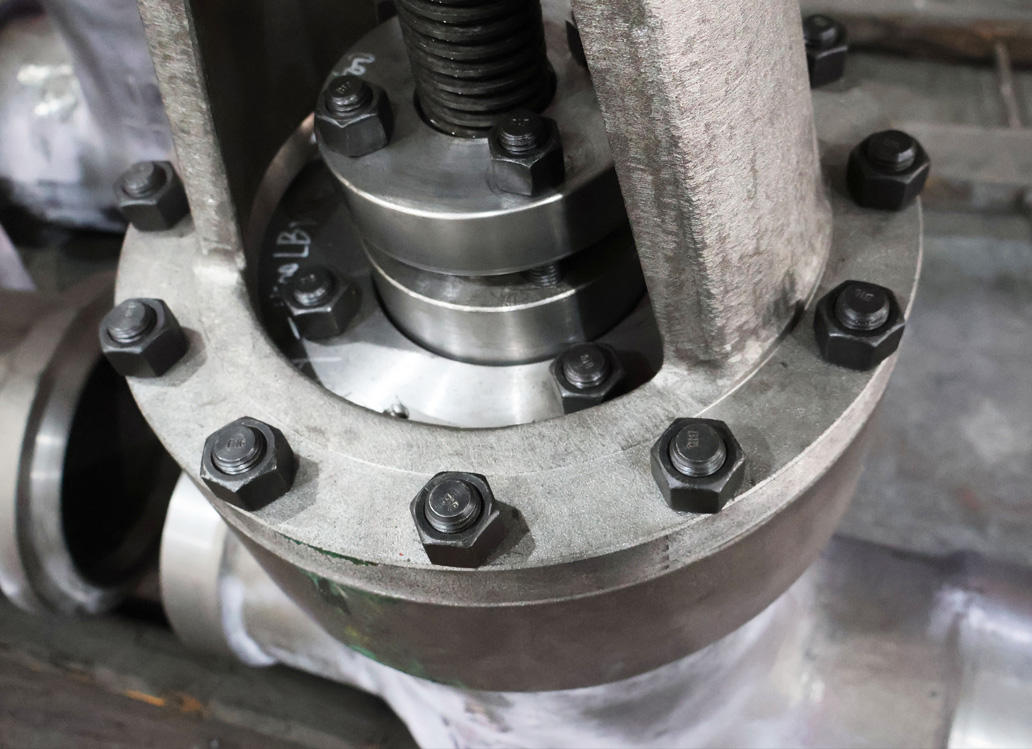
· Bolted or welded bonnet
· Optional pressure-seal bonnet
· Carbon steel, alloy steel, or stainless steel construction
· Customized trim for specific operating conditions
The exact configuration depends on pressure class, temperature, medium, connection type, and applicable project standards.
Why Is a Bypass Valve Needed?
Large industrial valves can be difficult to operate when there is a substantial pressure difference between their upstream and downstream sides. A bypass valve provides a controlled route for gradually reducing this differential pressure.
For example, consider a high-pressure steam pipeline equipped with a large main isolation valve. If the main valve is opened rapidly while the downstream side remains at a much lower pressure, the sudden flow increase can cause pressure surges, thermal shock, vibration, and water hammer under certain conditions.
A smaller bypass globe valve can first be opened to allow a controlled quantity of fluid to pass. This gradually increases downstream pressure and can reduce the pressure differential across the main valve.
The bypass system can therefore support:
1. Pressure equalization
2. Controlled startup
3. Reduced pressure shock
4. Improved main-valve operation
5. Pipeline warming
6. Equipment protection
7. Controlled flow during maintenance or operating transitions
Advantages of Forged Steel Construction
Material selection is particularly important in high-pressure industrial piping. Forged steel valve bodies are widely used because they can provide high mechanical strength and good resistance to pressure-related stresses.
Compared with some cast constructions, forged bodies can offer a more uniform material structure and are particularly suitable for smaller high-pressure valves.
Common forged materials include:
A105N Carbon Steel
ASTM A105N is widely used for forged carbon steel valves in petroleum, power generation, and general industrial applications. It is suitable for many moderate- and high-pressure services when the temperature and corrosion conditions are compatible with the material.
F11 and F22 Alloy Steel
Chromium-molybdenum alloy steels such as F11 and F22 can be selected for elevated-temperature services. They are frequently associated with steam and power-generation applications.
F304/F316 Stainless Steel
Stainless steel grades can be considered when corrosion resistance is an important requirement. The appropriate grade depends on the process medium and operating environment.
Material selection should always be based on the actual pressure, temperature, fluid chemistry, corrosion conditions, and applicable material specifications.
Globe Valve Design for Bypass Service
The globe valve design is particularly useful for bypass applications because its internal disc-and-seat arrangement allows controlled flow adjustment.
A bypass valve is not necessarily used only as a simple open/closed valve. In many systems, it must be opened gradually to control the rate at which pressure changes occur.
The globe valve's flow path provides useful throttling characteristics for this purpose. However, continuous throttling service must be evaluated carefully because high-velocity fluid can cause erosion, vibration, noise, or cavitation depending on the pressure drop and medium.
For severe throttling conditions, special trim or a multi-stage pressure-reducing design may be required.
Pressure-Seal Bypass Globe Valves
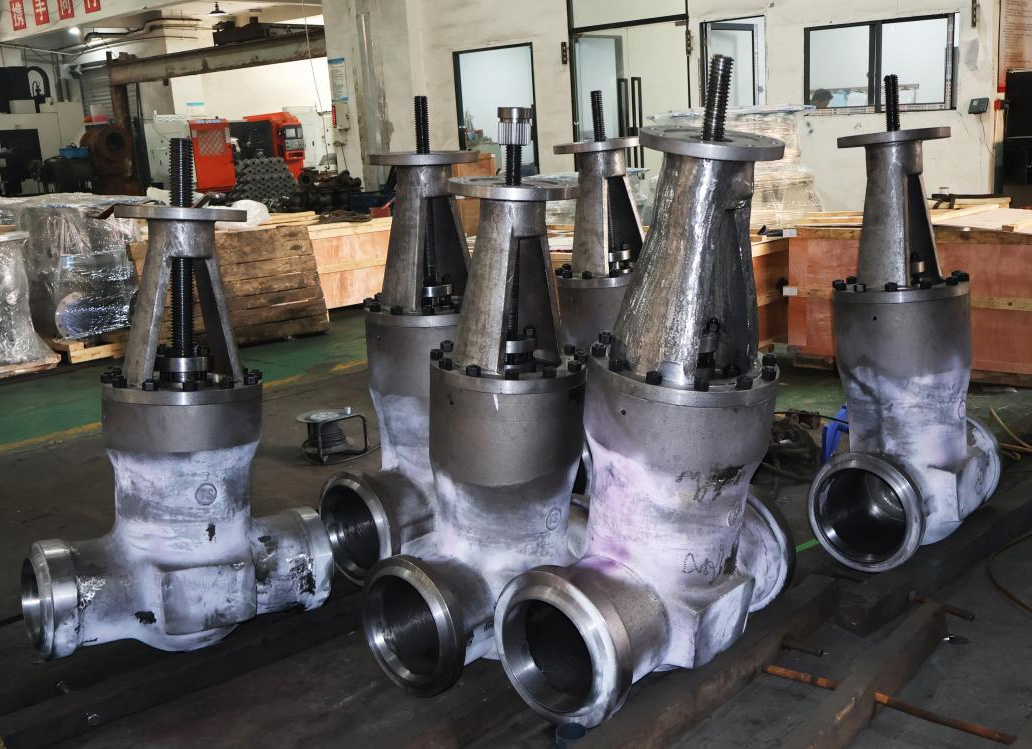
In high-pressure and high-temperature applications, a pressure-seal bonnet may be selected instead of a conventional bolted bonnet.
As internal pressure increases, the pressure-seal design can increase the sealing force between the bonnet and body. This construction is commonly associated with high-pressure power plant and steam applications.
Pressure-seal bypass globe valves can therefore be considered for applications involving:
· High-pressure steam
· Superheated steam
· Boiler systems
· Power station piping
· High-temperature process lines
· Petrochemical processing
· High-pressure utility systems
The final design should comply with the applicable valve standard and project requirements.
Important Applications
1. Power Plants
Power-generation facilities are among the most important applications for bypass forged steel globe valves.
They can be installed around main steam isolation valves, feedwater systems, boiler piping, turbine systems, and other high-pressure lines. During startup, a bypass valve can help establish pressure and temperature conditions before the main valve is opened.
2. Oil and Gas Industry
Oil and gas facilities frequently operate with high-pressure fluids and complex piping arrangements. Forged steel globe bypass valves can be used around isolation valves and process equipment where controlled pressure equalization is required.
3. Refineries
Refineries contain high-temperature and high-pressure process systems. Bypass valves can support startup, shutdown, pressure balancing, and controlled flow around major process valves and equipment.
4. Petrochemical Plants
Petrochemical processes require reliable flow-control equipment. Forged steel globe valves may be used in bypass lines where temperature, pressure, and fluid compatibility demand robust construction.
5. Steam Systems
Steam is one of the most common applications. A bypass globe valve can be used to gradually introduce steam into a downstream section, helping reduce thermal shock and pressure transients.
Main Features
Typical features of bypass forged steel globe valves include:
· High mechanical strength: Forged bodies are suitable for demanding pressure conditions.
· Compact construction: Bypass valves are generally smaller than the main pipeline valve.
· Controlled flow: Globe valve geometry supports gradual opening and flow regulation.
· High-temperature capability: Appropriate alloy materials can be selected for elevated-temperature service.
· Reliable sealing: Properly selected packing and seat materials help control leakage.
· Flexible end connections: Socket-weld, threaded, and other configurations can be specified.
· Pressure-seal option: Suitable for selected high-pressure and high-temperature services.
· Customized trim: Trim materials can be selected according to pressure, temperature, and medium.
· Easy operation: Manual handwheel operation is common for smaller bypass valves.
Common Standards
Industrial bypass forged steel globe valves may be manufactured according to different international standards depending on the project.
Common standards and specifications may include:
· API 602 – Compact forged steel gate, globe, and check valves
· ASME B16.34 – Valves, flanged, threaded, and welding end
· ASME B16.5 – Pipe flanges and flanged fittings
· API 623 – Steel globe valves
· ASME B16.25 – Buttwelding ends
· ASTM material specifications – Body, bonnet, stem, and trim materials
The applicable standard should be confirmed according to valve type, pressure class, size, end connection, and purchaser specification. Not every bypass valve needs to meet every standard listed above.
How to Select a Bypass Forged Steel Globe Valve
Correct valve selection requires more than simply choosing a nominal valve size. Engineers should evaluate several parameters.
Pressure Rating
The valve pressure class must be suitable for the maximum operating and design pressure. Common classes include 150, 300, 600, 800, 900, 1500, and 2500, depending on valve design and applicable standards.
Temperature
Operating and design temperatures affect the selection of body, stem, seat, packing, gasket, and trim materials.
Fluid Medium
Steam, water, oil, gas, chemicals, and other media have different requirements for corrosion resistance, sealing, and trim selection.
Pressure Differential
The pressure difference across the bypass valve is particularly important. Excessive differential pressure may cause high velocity, erosion, vibration, or cavitation.
Valve Size
Bypass valves are normally smaller than the main line valve, but their size must be calculated according to the required pressure equalization time and flow rate.
End Connection
Socket-weld and threaded connections are common for small forged valves, while other welded configurations may be selected according to project requirements.
Operation
Manual operation is suitable for many local bypass systems. Pneumatic, electric, or hydraulic actuation may be considered where remote or automatic control is required.
Bypass Valve vs. Main Isolation Valve
The bypass valve and main valve perform different functions.
The main valve is generally designed to handle the primary pipeline flow and provide isolation. The bypass globe valve controls a smaller flow through the bypass line.
This distinction is important because a bypass valve should not automatically be treated as a substitute for the main isolation valve. Its size, pressure drop, flow capacity, and operating function are normally determined independently.
In some installations, the bypass arrangement may consist of one valve, while other systems use two isolation valves with a control valve between them. The correct arrangement depends on the process design and safety requirements.
Installation and Maintenance Considerations
Proper installation is essential for reliable bypass operation. The valve should be installed according to the manufacturer's flow-direction requirements and project piping specifications.
Before commissioning, engineers should verify:
· Valve orientation
· Flow direction
· Pressure rating
· Weld quality
· Packing condition
· Seat sealing
· Handwheel operation
· Bypass line cleanliness
· Upstream and downstream isolation
· Drain and vent arrangements where applicable
During operation, the bypass valve should be opened gradually when it is being used for pressure equalization. Operators should follow the plant's operating procedures rather than relying solely on the valve's mechanical characteristics.
Regular inspection should focus on external leakage, packing condition, stem condition, abnormal vibration, operating torque, and seat leakage.
Conclusion
Bypass forged steel globe valves are important components in industrial piping because they provide controlled flow through a secondary pipeline and can support pressure equalization, startup, warming, and protection of major equipment. Their forged construction makes them suitable for many demanding high-pressure applications, while the globe valve design provides useful flow-control characteristics.
They are widely applicable to power plants, steam systems, oil and gas facilities, refineries, petrochemical plants, and other industrial installations. Proper selection requires consideration of pressure class, temperature, medium, pressure differential, valve size, materials, end connections, and applicable standards.
For high-pressure and high-temperature systems, options such as A105N forged steel bodies, alloy steel construction, stainless steel materials, pressure-seal bonnets, and specialized trim can be selected according to service requirements.
For industrial valve buyers, the most important consideration is not simply whether a bypass valve can be installed, but whether its design, materials, pressure rating, flow capacity, and operating function match the complete piping system. A correctly engineered bypass forged steel globe valve can contribute to safer startup procedures, controlled pressure changes, reliable operation, and longer service life of industrial piping equipment.