Which Pipelines Are Suitable for Y-Type Globe Valves and Why Choose Them
September 28, 2026
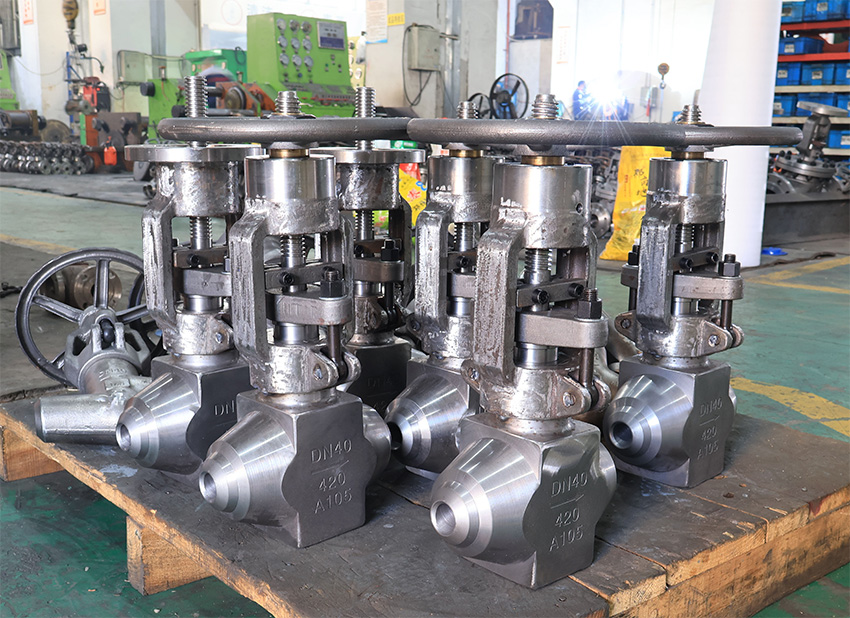
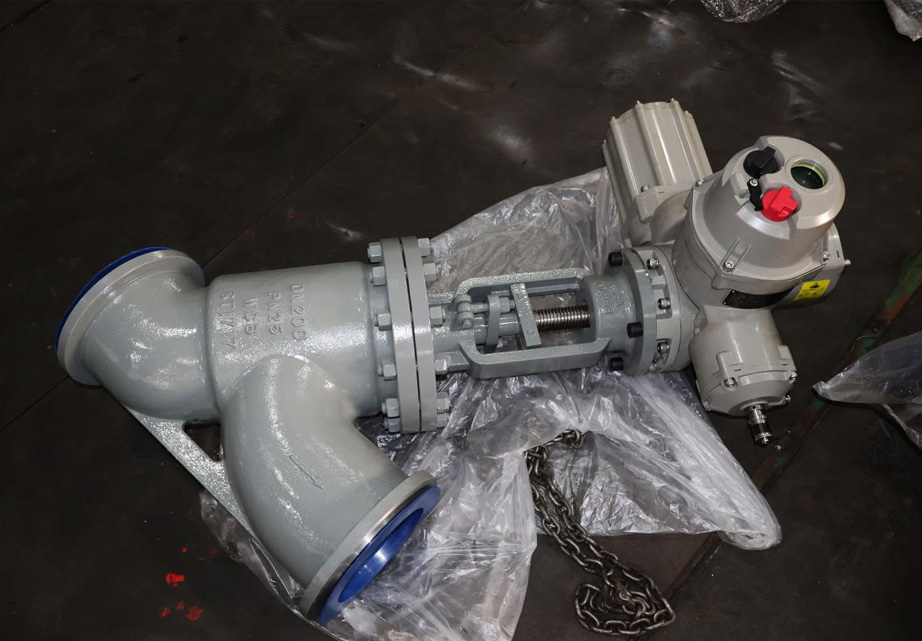
Y-Type Globe Valves are designed for piping systems where reliable shut-off, flow regulation, and reduced pressure loss are important. Unlike conventional straight-pattern globe valves, a Y-type globe valve has an angled body design that aligns the valve stem and seat at an approximately 45-degree angle to the pipeline. This geometry provides a more direct flow path through the valve, making it particularly suitable for high-pressure and high-temperature piping systems.
Y-type globe valves are commonly considered for steam pipelines, power plant piping, high-pressure process lines, thermal systems, and other industrial pipelines where conventional globe valves may create excessive pressure loss. The selection of a Y-type globe valve should be based on pressure, temperature, medium, flow characteristics, material compatibility, and the required valve function.
What Is a Y-Type Globe Valve?
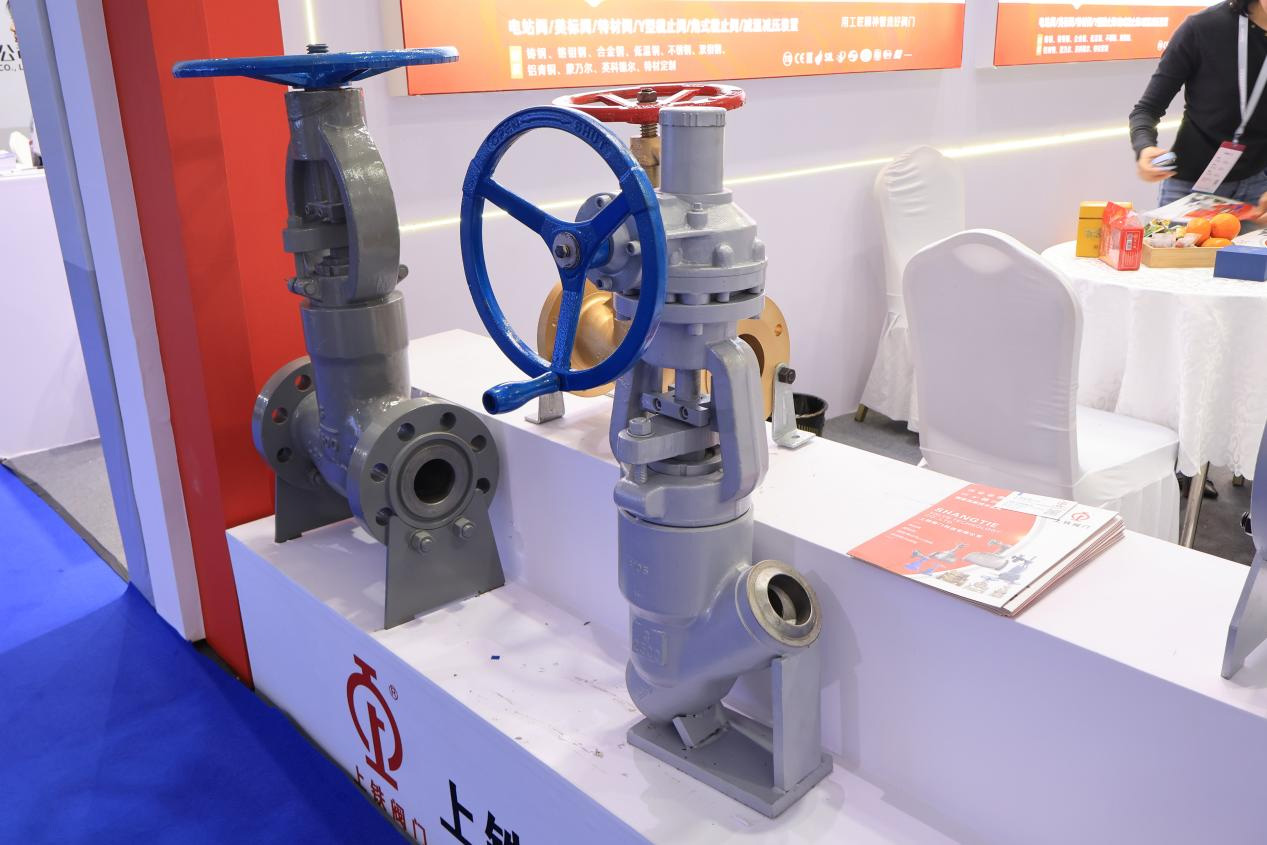
A Y-type globe valve is a type of globe valve characterized by its Y-shaped or angled body configuration. The stem and valve disc are positioned at an angle relative to the main flow path. When the valve is opened, the fluid can pass through the valve with less abrupt changes in direction compared with a traditional straight-pattern globe valve.
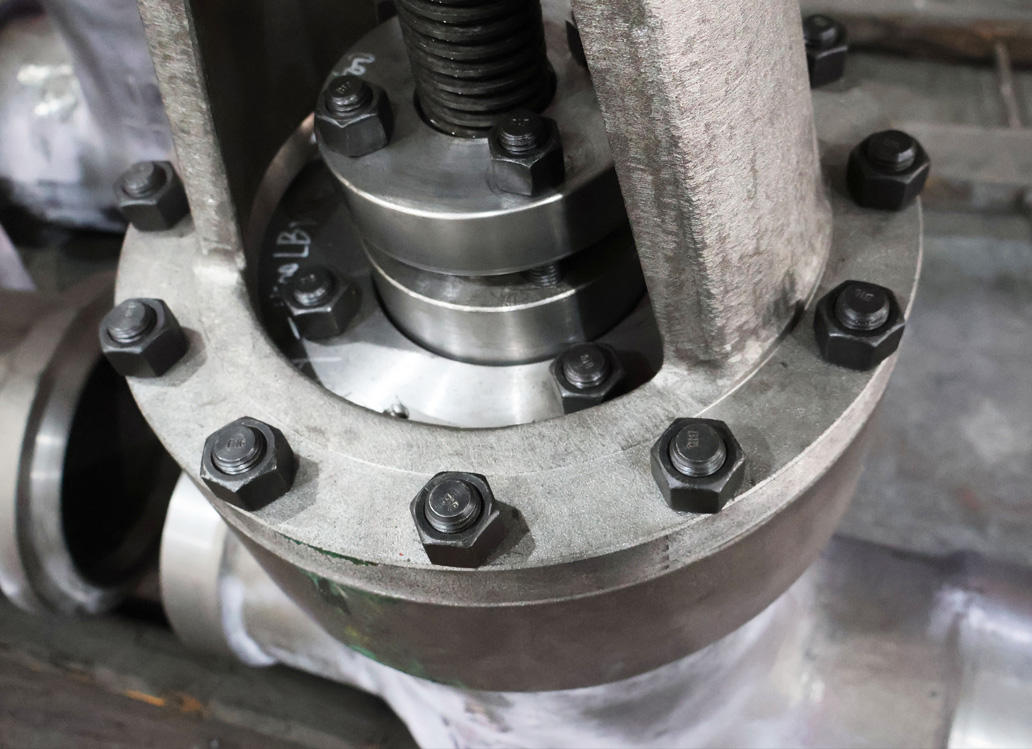
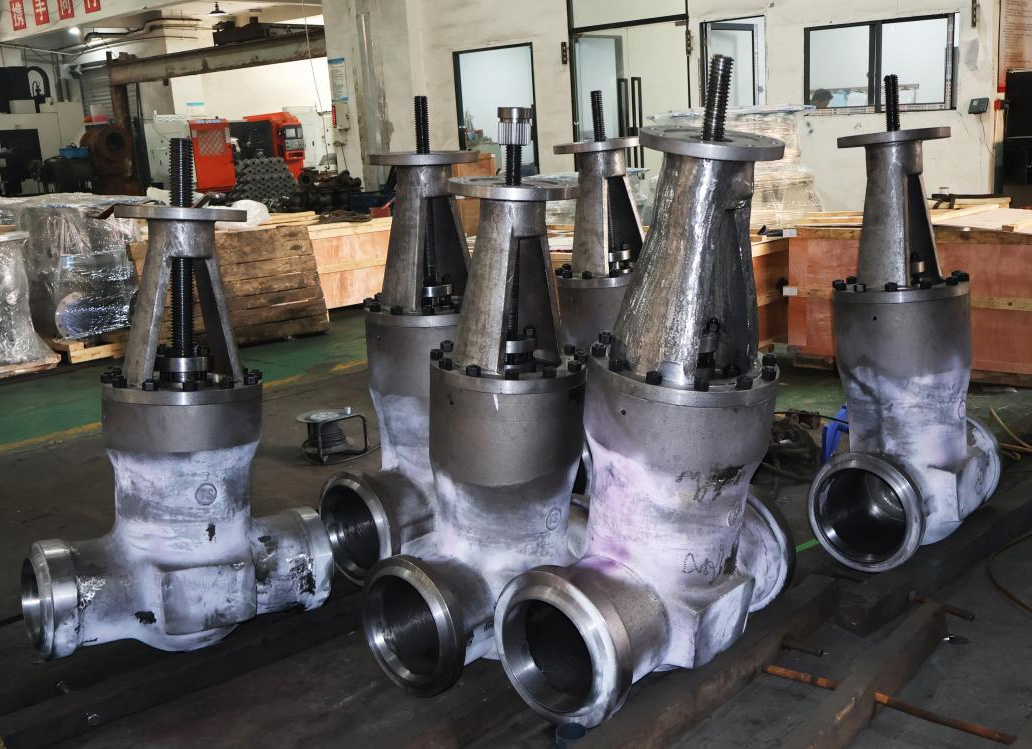
The main components normally include the valve body, bonnet, stem, disc, seat, packing, and operating mechanism. Depending on the design and service requirements, Y-type globe valves can be manufactured from forged steel or cast steel and can be supplied with different end connections, pressure ratings, and trim materials.
The angled flow path is one of the most important characteristics of this valve design. It can help reduce flow resistance and pressure loss while maintaining the throttling and shut-off functions expected from a globe valve.
Which Pipelines Are Suitable for Y-Type Globe Valves?
1. High-Pressure Steam Pipelines
High-pressure steam pipelines are one of the important applications for Y-type globe valves. Steam systems in industrial plants and power facilities often operate under elevated pressure and temperature conditions, requiring valves with reliable sealing and mechanical strength.
The Y-type configuration provides a relatively streamlined flow path, which can help reduce pressure loss when the valve is fully open. This makes it suitable for steam isolation and flow-control duties where pressure loss needs to be considered.
For high-pressure steam service, the valve material, pressure rating, sealing structure, and temperature capability should be selected according to the actual operating conditions.
2. Power Plant Piping Systems
Y-type globe valves can also be used in power plant piping systems. Thermal power plants contain numerous high-pressure and high-temperature pipelines for steam, feedwater, and other process fluids.
In these systems, valves may need to withstand continuous operation under demanding conditions. A Y-type globe valve can be selected where shut-off performance, flow control, and relatively low flow resistance are required.
For power station applications, forged steel or cast steel constructions are commonly considered depending on valve size, pressure class, temperature, and material requirements.
3. High-Temperature Process Pipelines
Many industrial processes transport fluids at elevated temperatures. These pipelines require valves capable of maintaining structural integrity and sealing performance during temperature changes and continuous operation.
Y-type globe valves can be used in high-temperature process piping when the valve materials and sealing components are properly selected for the service conditions.
For example, carbon steel, alloy steel, stainless steel, and other special materials may be selected according to the medium and operating temperature. Proper material selection is essential for long-term valve performance.
4. High-Pressure Fluid Pipelines
Y-type globe valves are also suitable for certain high-pressure fluid pipelines where positive shut-off and flow regulation are required. The valve can be installed in systems transporting water, oil, gas, steam, or other industrial fluids, provided that the valve construction and materials are compatible with the medium.
The pressure class of the valve should always be selected according to the maximum working pressure and temperature of the pipeline. The connection type, such as flanged, butt-weld, or socket-weld ends, should also match the piping design.
5. Industrial Process Piping
Industrial plants often contain complicated process piping networks in which precise isolation and flow regulation are required. Y-type globe valves can be considered for these applications when the pipeline conditions match the valve's design characteristics.
They can be used as isolation valves or regulating valves depending on the specific design and operating requirements. However, the valve should not be selected simply because it is a Y-type design. Engineers should evaluate flow rate, pressure drop, temperature, medium properties, and required control performance before making the final selection.
Why Choose a Y-Type Globe Valve?
Reduced Flow Resistance
One of the major advantages of the Y-type design is its relatively direct flow path. Compared with a conventional globe valve, the angled body configuration can reduce the sharp changes in flow direction.
This can help reduce pressure loss, particularly when the valve is installed in systems where maintaining flow efficiency is important.
Suitable for High-Pressure and High-Temperature Service
Y-type globe valves are often selected for demanding industrial conditions. When manufactured with appropriate materials and pressure-rated components, they can be designed for high-pressure and high-temperature applications.
This makes them particularly relevant to power generation, steam systems, and industrial process piping.
Reliable Shut-Off Performance
Like other globe valves, the Y-type design uses a disc and seat to control the flow passage. When properly selected and maintained, the valve can provide reliable shut-off performance.
The sealing design, seat material, disc material, stem construction, and packing system all influence the final sealing performance.
Flow Regulation Capability
Globe valves are widely recognized for their ability to regulate flow. A Y-type globe valve retains this basic characteristic while providing a more favorable flow path than many conventional globe valve configurations.
Therefore, it can be considered when the pipeline requires both flow adjustment and shut-off functions.
Flexible Material and Connection Options
Y-type globe valves can be manufactured using different materials and configurations to meet specific pipeline requirements. Depending on the application, options may include carbon steel, alloy steel, stainless steel, and other engineering materials.
End connections can also be selected according to the piping system, including flanged, butt-weld, and socket-weld configurations.
Y-Type Globe Valve vs. Conventional Globe Valve
The main difference between a Y-type globe valve and a conventional globe valve is the internal flow path and body configuration.
A conventional globe valve generally has a more direct vertical stem arrangement, while a Y-type globe valve positions the stem and seat at an angle. This angled design provides a more streamlined passage for the fluid.
As a result, Y-type globe valves are often considered when pressure loss needs to be reduced while retaining the shut-off and regulating characteristics of a globe valve.
However, this does not mean that a Y-type globe valve is suitable for every pipeline. Conventional globe valves may be more appropriate where installation space, maintenance requirements, flow control characteristics, or project specifications favor a traditional configuration.
How to Select the Right Y-Type Globe Valve
Selecting a Y-type globe valve requires a complete evaluation of the pipeline conditions. Important factors include operating pressure, operating temperature, fluid type, flow rate, valve size, pressure class, body material, trim material, connection type, and operating method.
For steam and power station applications, additional requirements may include pressure-seal bonnet construction, special alloy materials, hardfaced seating surfaces, and specific industry standards.
The valve should also be sized according to the required flow conditions. Oversizing or undersizing the valve may affect flow control, pressure loss, and service life.
Y-Type Globe Valves are an important option for industrial pipelines requiring reliable shut-off, flow regulation, and relatively low flow resistance. They are particularly suitable for applications such as high-pressure steam pipelines, power plant piping, high-temperature process lines, and selected high-pressure fluid systems.
The main reason to choose a Y-type globe valve is its angled body configuration, which provides a more streamlined flow path compared with many conventional globe valve designs. This can help reduce pressure loss while maintaining the basic throttling and isolation functions of a globe valve.
However, valve selection should always be based on actual operating conditions rather than valve type alone. Pressure, temperature, medium, flow rate, material compatibility, pressure class, connection type, and applicable standards should all be evaluated before selecting the final Y-type globe valve.
For demanding industrial applications, a properly designed and correctly specified Y-type globe valve can provide dependable performance and long-term service in high-pressure and high-temperature piping systems.