Application of ZG20CrMoV Low-Alloy Heat-Resistant Cast Steel in High-Temperature, High-Pressure Power Plant Valves
September 28, 2026
ZG20CrMoV low-alloy heat-resistant cast steel is an important material option for selected high-temperature and high-pressure power plant valves. Its chromium, molybdenum, and vanadium alloying system provides improved elevated-temperature strength, creep resistance, oxidation resistance, and microstructural stability compared with conventional carbon cast steel.
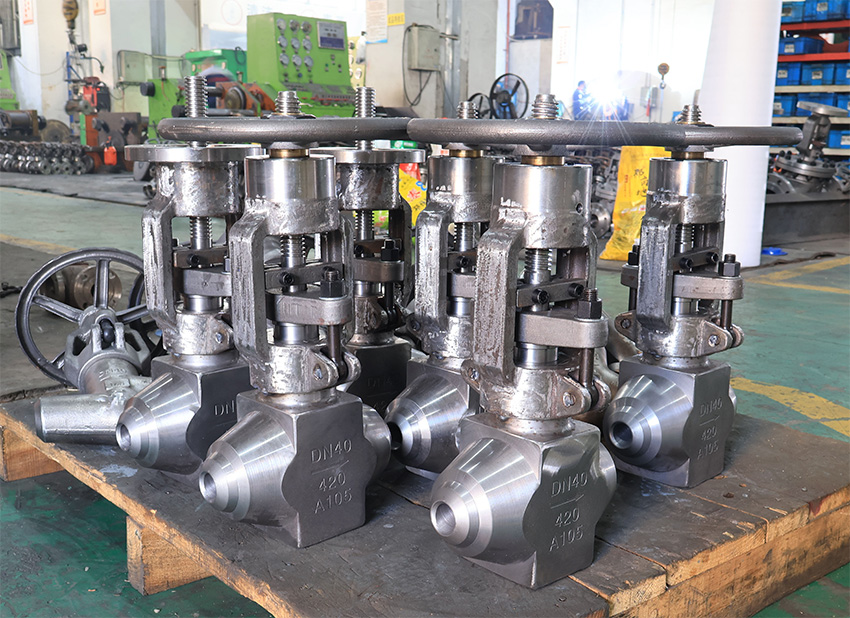
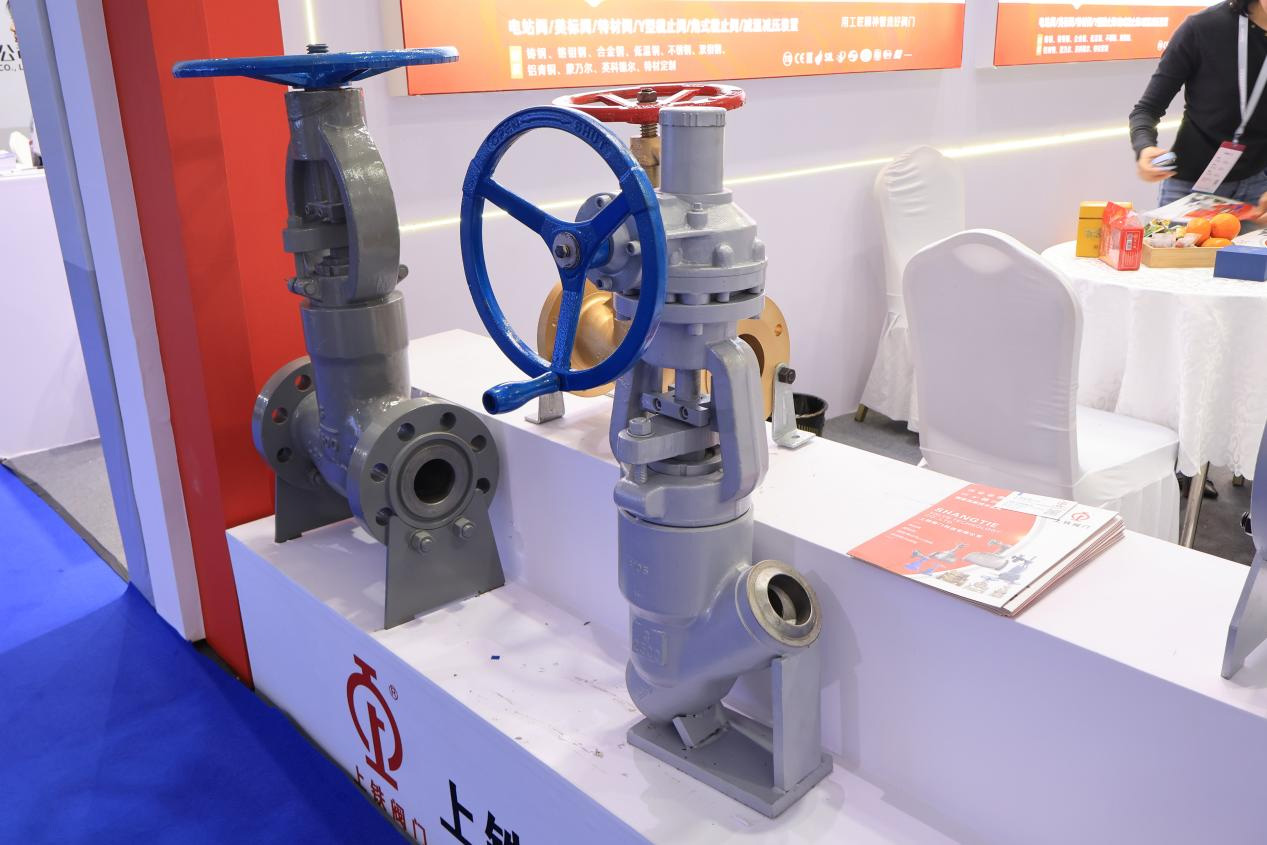
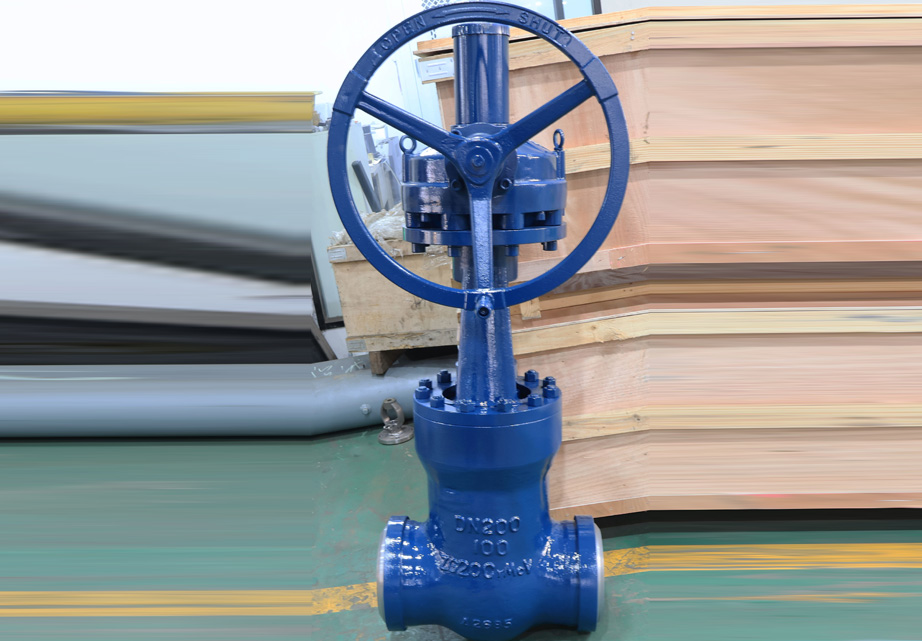
In power plants, ZG20CrMoV can be applied to suitable gate valves, globe valves, check valves, and pressure-seal valves used in main steam, superheated steam, reheated steam, boiler, turbine, and other high-temperature piping systems.
Nevertheless, successful application depends on more than material selection alone. Chemical composition, casting quality, heat treatment, nondestructive examination, machining accuracy, trim selection, pressure-temperature ratings, and compliance with the applicable valve and material standards all contribute to valve reliability.
Introduction
Power plant valves operate under some of the most demanding conditions found in industrial piping systems. In thermal power plants, supercritical and high-pressure steam lines can expose valves to elevated temperatures, high pressures, thermal cycling, vibration, and corrosive or erosive media. Under these conditions, the selection of valve body material is critical to ensuring mechanical strength, dimensional stability, sealing performance, and long-term service reliability.
ZG20CrMoV is a low-alloy heat-resistant cast steel developed for high-temperature service. Its alloying system, particularly chromium, molybdenum, and vanadium, provides a combination of elevated-temperature strength, creep resistance, oxidation resistance, and structural stability. These characteristics make ZG20CrMoV suitable for selected cast components used in high-temperature and high-pressure power plant equipment, including certain gate valves, globe valves, check valves, pressure-seal valves, and other steam-system valves.
For valve manufacturers, ZG20CrMoV can provide a practical material option where conventional carbon steel is insufficient for the required temperature and pressure conditions. However, material selection should always be based on the actual operating temperature, pressure, design code, casting requirements, heat treatment, pressure-temperature rating, and project specifications.
1. What Is ZG20CrMoV Cast Steel?
ZG20CrMoV is a Chinese designation for a low-alloy heat-resistant cast steel. In the designation, “ZG” indicates cast steel, while the remaining characters identify the approximate chemical composition and alloying system.
The material is principally based on a carbon-steel matrix alloyed with elements such as:
· Chromium (Cr)
· Molybdenum (Mo)
· Vanadium (V)
The combination of these alloying elements improves the material's performance at elevated temperatures.
Chromium contributes to high-temperature oxidation resistance and improves hardenability. Molybdenum is particularly important for improving high-temperature strength and resistance to creep. Vanadium can contribute to grain refinement and precipitation strengthening, helping the material maintain its mechanical properties during prolonged exposure to elevated temperatures.
Because ZG20CrMoV is produced as cast steel, it is particularly applicable to valve bodies and other components requiring relatively complex geometries. Cast construction can accommodate large valve dimensions and integrated flow passages while reducing the need to fabricate complicated shapes from multiple forged or machined pieces.
2. Why Material Selection Is Important for Power Plant Valves
Valves in power plants are not simply flow-control components. They are important pressure-boundary components that may have to isolate equipment, regulate steam flow, prevent reverse flow, or protect equipment during abnormal operating conditions.
Typical applications include:
· Main steam systems
· Superheated steam systems
· Reheated steam systems
· Boiler piping
· Turbine auxiliary systems
· Feedwater systems
· Drain and vent systems
· High-pressure bypass systems
· Steam extraction systems
· Boiler circulation systems
A valve installed in a high-temperature steam line may experience continuous mechanical loading together with thermal stresses. During plant startup and shutdown, temperature changes can also create repeated thermal expansion and contraction.
Consequently, the valve body material must maintain adequate strength and structural stability throughout its expected service life.
For relatively moderate-temperature services, carbon steel may be sufficient. As temperature increases, however, the allowable stress of conventional carbon steel generally decreases. This is one reason why low-alloy heat-resistant steels are widely considered for demanding steam applications.
3. High-Temperature Strength of ZG20CrMoV
One of the principal advantages of ZG20CrMoV is its ability to maintain useful mechanical properties at elevated temperature.
A valve body is subjected to internal pressure that produces stresses in the pressure-containing wall. At high temperatures, the material's yield strength and allowable stress can decrease. Long-term exposure can also produce creep deformation.
The Cr-Mo-V alloying system helps improve the high-temperature performance of the steel.
Chromium
Chromium improves hardenability and contributes to resistance against oxidation at elevated temperatures. This is valuable in steam-system components exposed to prolonged heating.
Molybdenum
Molybdenum improves high-temperature strength and helps reduce the tendency toward creep deformation. This is particularly important in power plant applications where valves may remain exposed to high temperature for thousands of operating hours.
Vanadium
Vanadium contributes to strengthening through fine precipitates and can help improve the stability of the microstructure after appropriate heat treatment.
The combined effect makes ZG20CrMoV more suitable for demanding thermal service than ordinary carbon cast steels.
4. Application in High-Pressure Gate Valves
Gate valves are widely used in power plants for isolation service. They are normally operated in fully open or fully closed positions rather than being used for continuous throttling.
ZG20CrMoV can be considered for cast gate valve bodies designed for elevated-temperature and high-pressure steam systems.
Typical applications include:
· Main steam isolation
· Boiler outlet lines
· Superheated steam pipelines
· Reheat steam systems
· High-pressure steam headers
· Turbine steam isolation systems
For high-pressure gate valves, the body must withstand internal pressure while maintaining dimensional stability at elevated temperature.
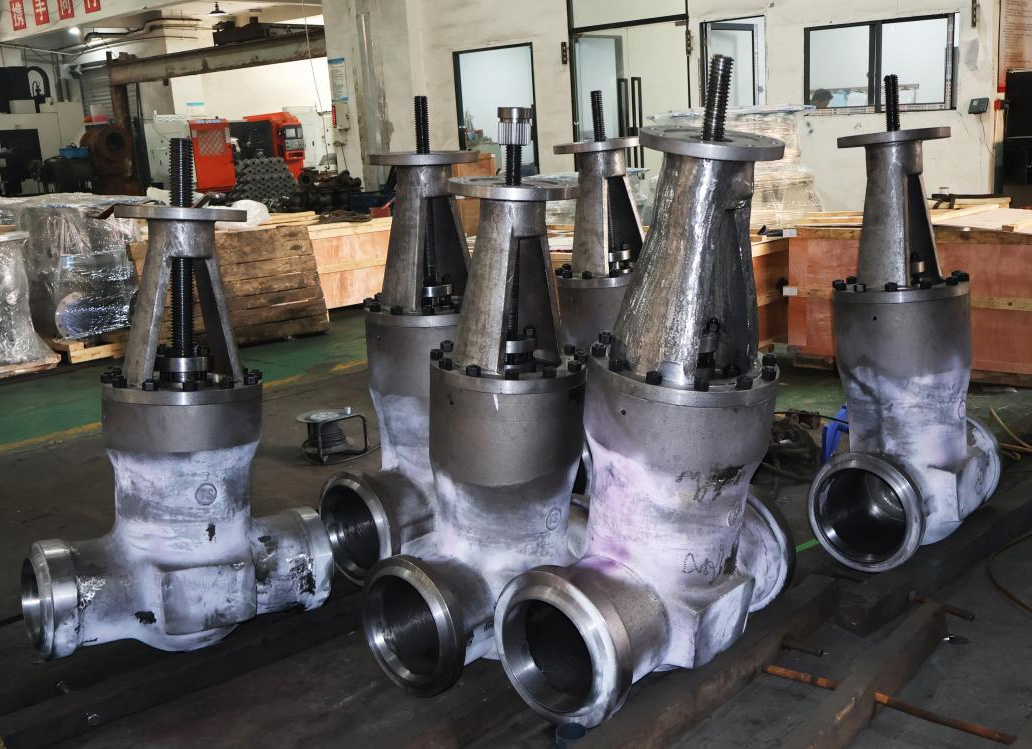
Pressure-seal gate valves are particularly associated with high-pressure and high-temperature power plant services. Their sealing configuration can provide advantages in demanding pressure-boundary applications, while the ZG20CrMoV body provides an appropriate heat-resistant cast-steel foundation when specified by the applicable design standard and project requirements.
5. Application in Globe Valves
Globe valves are frequently used when flow regulation or throttling is required. Compared with gate valves, globe valves generate greater pressure loss because of their internal flow path, but they provide effective control characteristics.
ZG20CrMoV cast steel can be used for selected high-temperature globe valve bodies, particularly in:
· Steam regulation systems
· Boiler auxiliary piping
· Turbine bypass systems
· Superheated steam systems
· High-pressure drain systems
· Feedwater-related applications
The valve body must withstand both pressure and thermal loading. In regulating service, the internal trim may also experience high fluid velocity and erosion. Therefore, selecting ZG20CrMoV for the body does not eliminate the need for appropriate trim materials, hardfacing, seat design, and flow-velocity considerations.
6. Application in Check Valves
Check valves prevent reverse flow in power plant piping systems. High-pressure steam and feedwater systems may use swing, lift, axial-flow, or other check valve designs depending on the application.
ZG20CrMoV may be used for suitable cast check valve bodies where elevated-temperature strength is required.
Applications can include:
· Main steam systems
· Reheat systems
· Boiler outlet piping
· High-pressure feedwater systems
· Steam extraction systems
· Turbine auxiliary systems
For check valves, material selection must be combined with careful consideration of dynamic behavior. Rapid closure can produce water hammer or pressure surges in some systems. Therefore, the valve design, closing characteristics, disc weight, spring arrangement, and piping conditions are also important.
7. Pressure-Seal Valve Applications
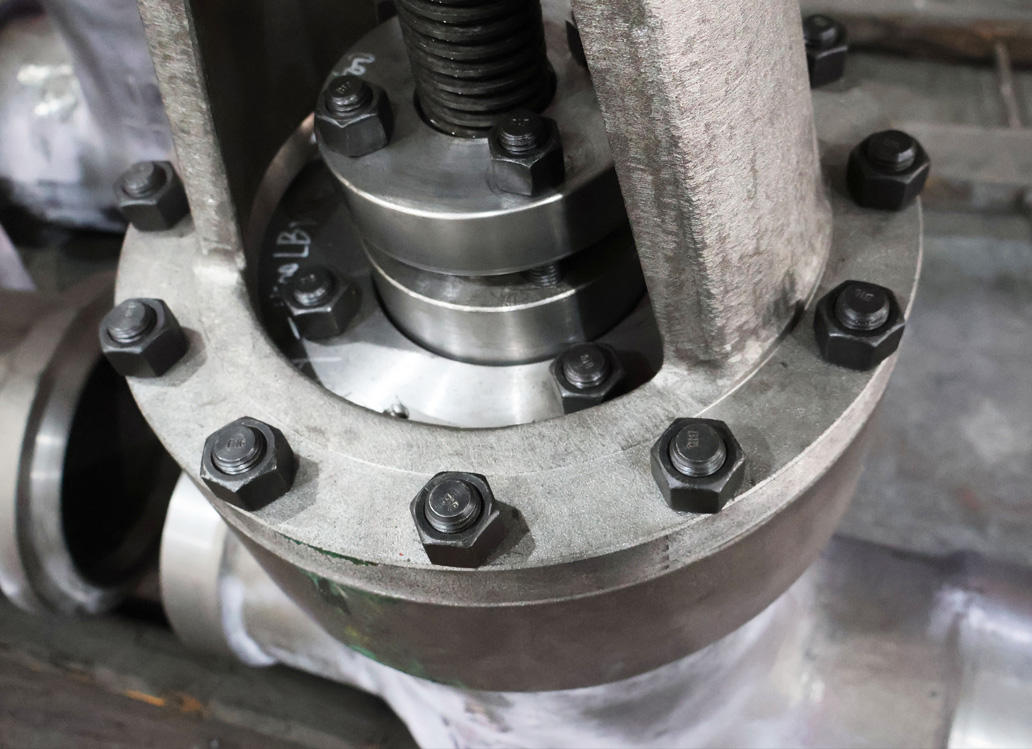
High-pressure power plant valves frequently use pressure-seal bonnet construction. This design is commonly associated with high-pressure and high-temperature steam service.
Pressure-seal valves can include:
· Pressure-seal gate valves
· Pressure-seal globe valves
· Pressure-seal check valves
In these valves, internal pressure contributes to the sealing force between the bonnet and body sealing surfaces. This configuration can be advantageous for high-pressure service because the sealing force increases as internal pressure increases, subject to the specific design.
When ZG20CrMoV is selected for the cast body, manufacturing quality becomes especially important. The pressure boundary must be free from unacceptable casting defects, and appropriate heat treatment is essential for achieving the specified mechanical properties and microstructure.
8. Importance of Heat Treatment
The performance of ZG20CrMoV depends not only on its nominal chemical composition but also on its casting process and heat treatment.
Heat treatment can influence:
· Microstructure
· Strength
· Toughness
· Hardness
· Creep resistance
· Dimensional stability
· Weldability
· Long-term service performance
For high-temperature power plant valves, controlled heat treatment is therefore an essential part of manufacturing.
Depending on the applicable material specification and manufacturer's qualified procedure, heat treatment may involve normalizing, tempering, or other controlled processes appropriate to the material grade and component.
After heat treatment, manufacturers may perform mechanical-property testing, hardness testing, metallographic examination, nondestructive examination, and other inspections required by the applicable standard or purchaser specification.
9. Casting Quality Requirements
Because ZG20CrMoV is a cast steel, casting quality is a major consideration.
Large valve bodies can contain complicated internal passages and substantial wall thickness variations. Improper casting practices may lead to defects such as:
· Shrinkage cavities
· Porosity
· Inclusions
· Cracks
· Sand defects
· Segregation
· Insufficient fusion in repaired areas
These defects can potentially compromise the pressure boundary.
For high-temperature and high-pressure power plant valves, manufacturers should therefore implement strict controls covering pattern design, molten-steel quality, pouring temperature, solidification behavior, heat treatment, machining, and inspection.
Nondestructive examination methods such as radiographic testing, ultrasonic testing, magnetic-particle testing, and liquid-penetrant testing may be specified according to component geometry and applicable standards.
10. Compatibility with Valve Trim Materials
ZG20CrMoV is normally considered primarily as a pressure-boundary/body material. The valve trim may require different materials depending on the operating conditions.
Important trim components include:
· Disc
· Wedge
· Seat rings
· Stem
· Bonnet components
· Bushings
· Hardfacing layers
For example, high-temperature steam service may require wear-resistant or hardfaced seating surfaces to maintain shutoff performance after repeated operation.
The body material, trim material, gasket material, packing, and bolting should therefore be treated as one integrated material-selection system rather than selected independently.
11. Advantages of ZG20CrMoV in Power Plant Valves
The main potential advantages of ZG20CrMoV include:
1. Elevated-temperature strength
The Cr-Mo-V alloy system provides improved strength compared with ordinary carbon cast steel in elevated-temperature applications.
2. Improved creep resistance
The alloying system helps the material resist long-term deformation under sustained temperature and stress.
3. Good structural stability
Proper heat treatment can produce a stable microstructure suitable for demanding thermal service.
4. Suitable for cast valve bodies
Casting allows manufacturers to produce large and complicated pressure-containing valve bodies.
5. Suitable for demanding steam systems
When correctly specified, the material can be considered for high-temperature and high-pressure steam applications.
6. Compatibility with power plant valve designs
It can be applied to selected gate, globe, check, and pressure-seal valve constructions.
12. Material Selection Considerations
Although ZG20CrMoV has useful high-temperature characteristics, it should not automatically be selected for every high-temperature valve.
Engineers should evaluate:
1. Design temperature
2. Design pressure
3. Operating pressure
4. Steam temperature
5. Required service life
6. Thermal cycling
7. Valve size
8. Wall thickness
9. Applicable valve standard
10. Pressure-temperature rating
11. Corrosion and erosion conditions
12. Required inspection level
13. Welding and repair requirements
14. Project-specific material specifications
The applicable design standard should determine the allowable stresses and material suitability rather than relying solely on the material name.
13. ZG20CrMoV Compared with Ordinary Carbon Cast Steel
Ordinary carbon cast steel such as common carbon-steel grades is widely used for industrial valves, but its high-temperature performance has limitations.
ZG20CrMoV contains alloying elements specifically intended to improve elevated-temperature behavior. As service temperature increases, this distinction becomes increasingly important.
For example, in a conventional lower-temperature water application, corrosion resistance, pressure rating, and cost may dominate material selection. In a high-temperature steam valve, however, engineers must additionally consider creep strength, thermal fatigue, oxidation resistance, microstructural stability, and allowable stress.
Therefore, ZG20CrMoV is best viewed as a specialized heat-resistant cast steel option rather than simply a stronger version of conventional cast carbon steel.
14. Manufacturing Requirements for Power Plant Valves
Manufacturing ZG20CrMoV valves requires controlled production from raw material through final inspection.
A typical manufacturing process includes:
Material preparation → melting → chemical analysis → casting → heat treatment → rough machining → nondestructive testing → precision machining → assembly → pressure testing → final inspection.
Particular attention should be paid to the valve body's pressure-containing regions.
After machining, manufacturers should verify critical dimensions such as:
· Body wall thickness
· Seat dimensions
· Stem alignment
· Flange dimensions
· Bonnet connection
· Valve face-to-face dimensions
· Pressure-seal components
Hydrostatic shell testing and seat testing are also important to verify pressure integrity and shutoff performance.
15. Role of ZG20CrMoV in Modern Power Generation
Modern thermal power plants increasingly operate at higher pressures and temperatures to improve thermal efficiency. As operating conditions become more demanding, valve materials must provide reliable performance under sustained thermal and mechanical loads.
ZG20CrMoV provides one material option for this environment because its alloying system is designed to improve elevated-temperature performance.
Its application can be particularly relevant to high-pressure steam isolation valves, globe valves, check valves, and pressure-seal valves, provided the actual operating conditions fall within the material's qualified design range.
However, advanced power plant systems may require other alloy steels or high-alloy materials when temperatures, corrosion conditions, or creep requirements exceed the capabilities of ZG20CrMoV.