Pressure Sealed Valves for Modern Power Plant Applications
October 04, 2026
Pressure sealed valves are critical components in modern power plant piping systems, particularly where high pressure, high temperature, and continuous operation are involved. Unlike conventional bolted-bonnet valves, pressure sealed valves use the internal system pressure to enhance the sealing force between the bonnet and body. This design provides important advantages for demanding steam and water applications in fossil-fuel power plants, combined-cycle facilities, industrial power stations, and other high-energy systems.
As power generation technology develops, valve manufacturers must address increasingly demanding operating conditions, stricter leakage requirements, improved energy efficiency, and longer maintenance intervals. Pressure sealed gate valves, globe valves, and check valves are therefore widely considered for applications where reliable pressure containment and long-term sealing performance are essential.
1. What Are Pressure Sealed Valves?
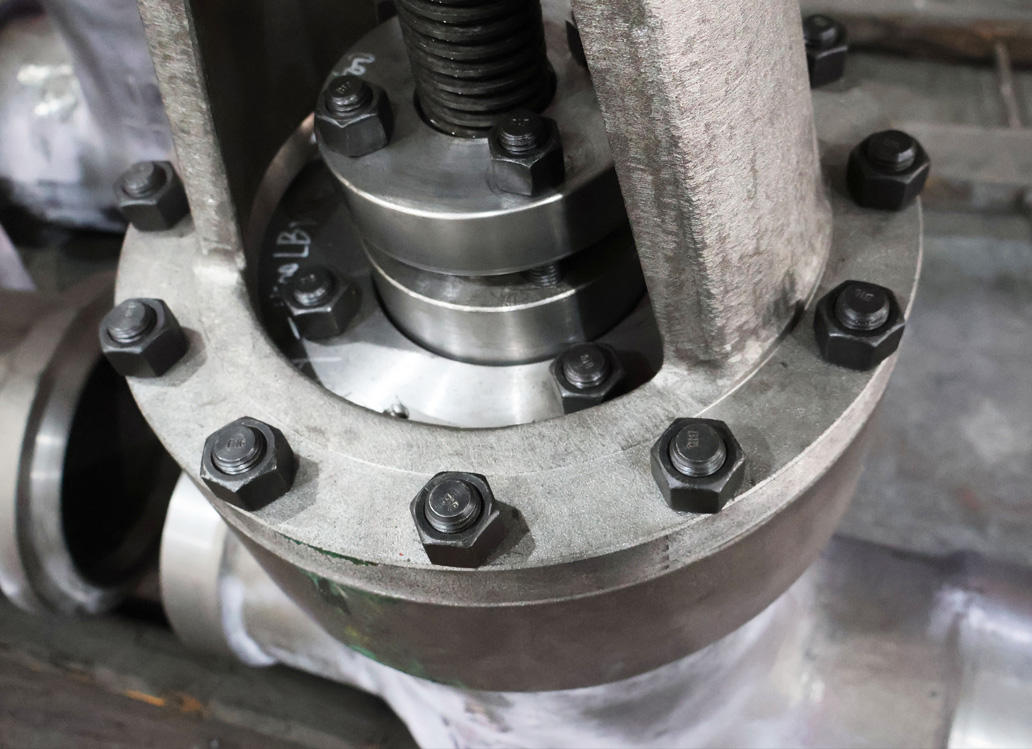
A pressure sealed valve is designed so that the bonnet is retained and sealed against the valve body by a combination of mechanical construction and internal fluid pressure. As system pressure increases, the pressure acting on the internal bonnet arrangement can increase the sealing force.
This principle differs from a conventional bolted-bonnet valve, where the body and bonnet are normally connected using bolts or studs and the gasket is compressed mechanically.
The pressure seal arrangement can be particularly useful in high-pressure steam service because the sealing mechanism can become more effective as internal pressure rises, provided the valve has been correctly designed, manufactured, installed, and maintained.
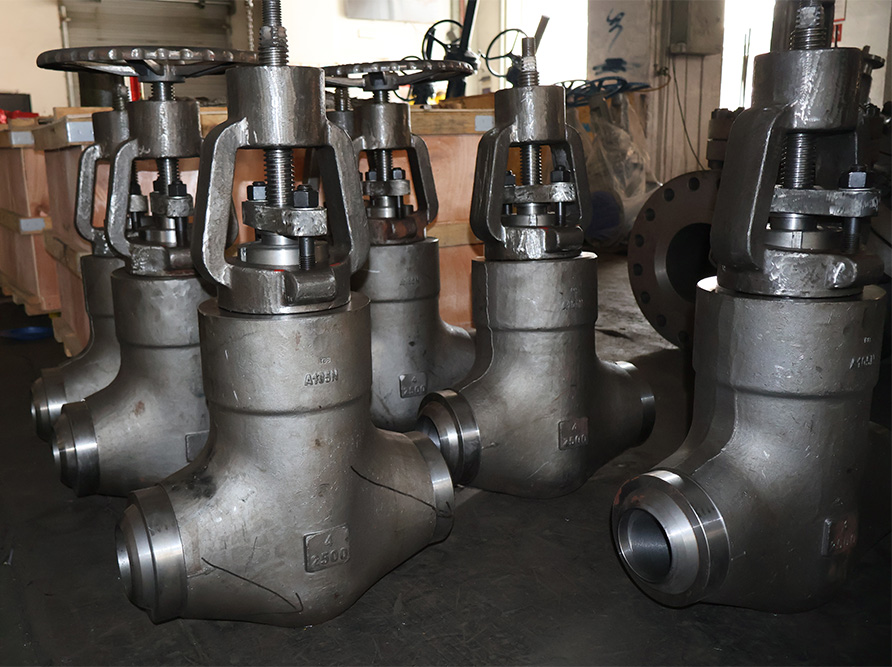
Typical pressure sealed valve types include:
· Pressure sealed gate valves
· Pressure sealed globe valves
· Pressure sealed check valves
· Pressure sealed stop/check valves
· Pressure sealed bypass valves
These valves can be manufactured in forged or cast construction depending on size, pressure class, material, and application requirements.
2. Why Power Plants Require Pressure Sealed Valves
Power plant piping systems contain numerous high-energy fluids. Main steam, superheated steam, reheated steam, boiler feedwater, and other high-pressure services can expose valves to severe combinations of temperature and pressure.
A valve used in these systems must perform several functions simultaneously:
1. Maintain pressure containment.
2. Provide reliable shutoff.
3. Withstand thermal cycling.
4. Minimize external leakage.
5. Maintain mechanical integrity during long operating periods.
6. Allow safe operation and maintenance.
A conventional valve design may become increasingly challenging as pressure and temperature rise because the sealing system must maintain sufficient mechanical integrity throughout the service life.
Pressure sealed construction addresses part of this challenge by using system pressure as a component of the bonnet sealing mechanism. This makes pressure sealed valves particularly suitable for high-pressure applications where conventional bolted bonnet arrangements can become relatively large and mechanically demanding.
3. Pressure Sealed Gate Valves
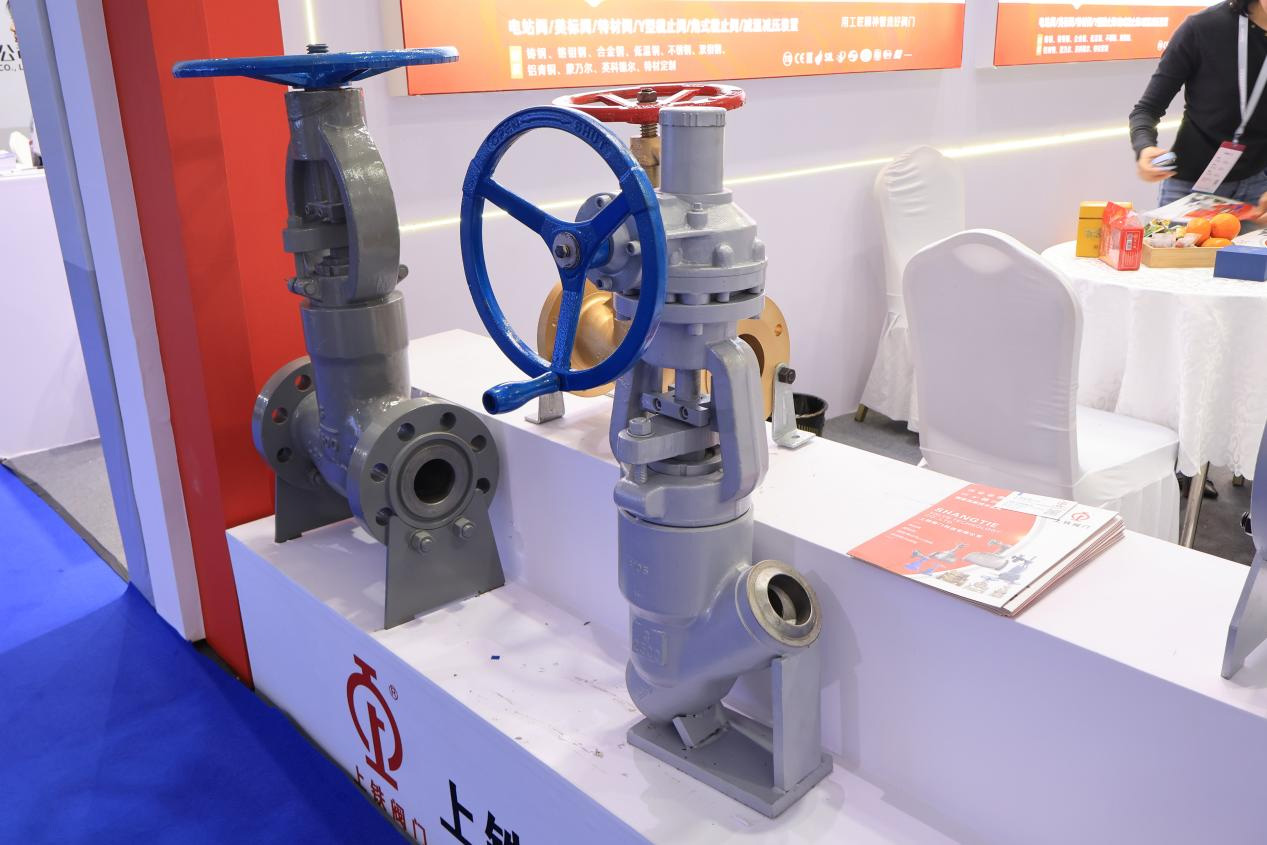
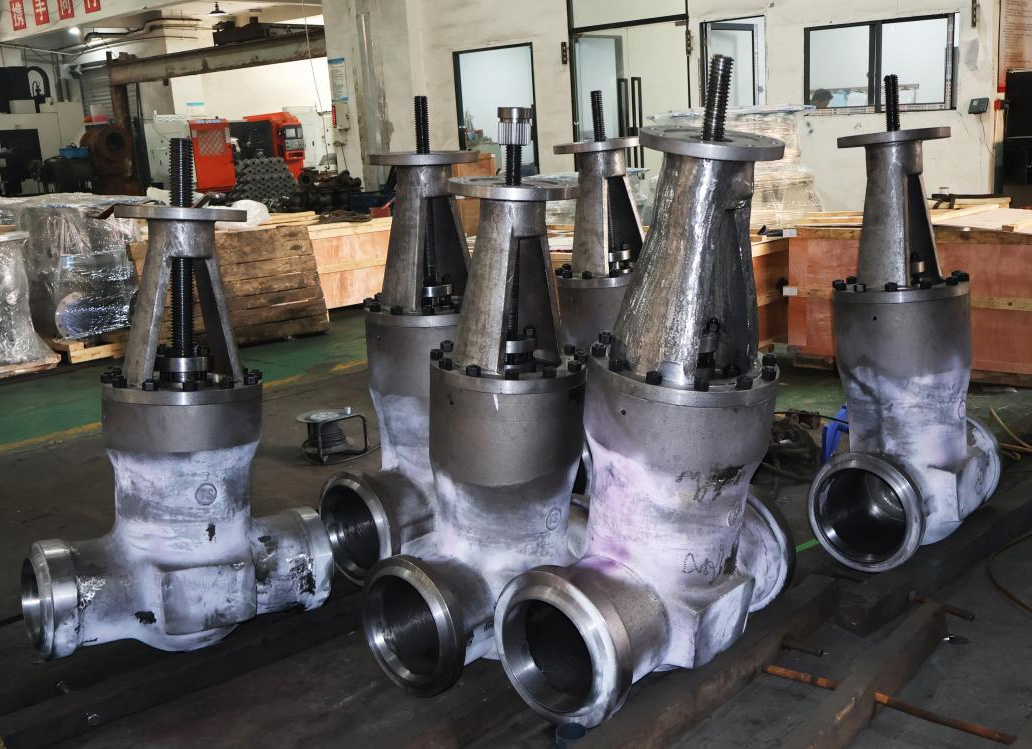
Pressure sealed gate valves are commonly used where the primary requirement is isolation rather than throttling. In power plants, they can be installed in main steam lines, feedwater systems, boiler systems, reheater circuits, and other high-pressure piping.
A gate valve generally provides a relatively straight flow passage when fully open, which helps reduce pressure loss. When fully closed, the gate moves into the sealing position to isolate the downstream piping.
Common design features include:
· Pressure sealed bonnet
· Rising stem
· Wedge gate
· Flexible or solid wedge options
· Metal-to-metal seating
· High-strength body construction
· Forged or cast body options
· Various end connections
For high-temperature steam applications, material selection is especially important. Carbon steel, alloy steel, stainless steel, and creep-resistant alloy steels may be selected according to temperature, pressure, fluid characteristics, and applicable specifications.
4. Pressure Sealed Globe Valves
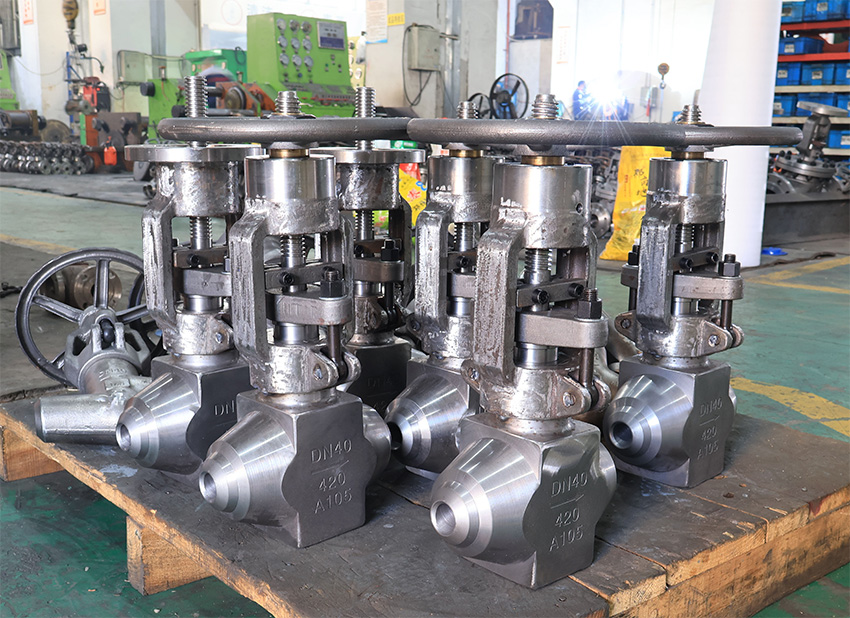
Globe valves are widely used for isolation and flow regulation. Their internal configuration makes them suitable for applications requiring controlled flow, although the pressure drop through a globe valve is normally greater than through a fully open gate valve.
Pressure sealed globe valves are frequently applied in:
· Main steam systems
· Boiler feedwater systems
· Superheater systems
· Reheater systems
· Steam bypass systems
· Drain and vent systems
· High-pressure auxiliary piping
The globe valve's body and disc arrangement allows the flow path to be controlled more precisely than with a typical gate valve.
For severe power plant service, manufacturers may use optimized disc designs, hardfaced seating surfaces, strengthened stems, and specialized trim materials to improve resistance to erosion, wear, and high-temperature degradation.
5. Pressure Sealed Check Valves
Check valves prevent reverse flow and are particularly important in power plant systems where reverse flow could damage pumps, boilers, turbines, or other equipment.
Pressure sealed check valves may be used in high-pressure feedwater and steam applications. Depending on the system configuration, different check valve designs can be selected, including lift check, piston check, swing check, and other specialized constructions.
The selection should consider:
· Normal flow velocity
· Pressure differential
· Temperature
· Installation orientation
· Reverse-flow risk
· Pressure surge
· Valve response characteristics
Correct sizing is essential. An incorrectly selected check valve may experience unstable operation, excessive pressure loss, vibration, or premature seat and disc wear.
6. Materials for Modern Power Plant Pressure Sealed Valves
Material selection is one of the most important aspects of pressure sealed valve engineering.
For relatively moderate conditions, carbon steel may be appropriate. Higher-temperature applications often require alloy steels with improved resistance to creep and thermal degradation.
Typical materials may include:
· ASTM A216 WCB carbon steel
· ASTM A217 WC6 alloy steel
· ASTM A217 WC9 alloy steel
· ASTM A182 F11 forged alloy steel
· ASTM A182 F22 forged alloy steel
· Stainless steel grades for specific corrosive or high-temperature services
The final material should always be selected according to the actual design temperature, pressure, medium, applicable material specification, and engineering requirements.
Valve trim materials are equally important. Seats, discs, stems, and other wetted components may require hardened or corrosion-resistant materials depending on the service.
7. Pressure and Temperature Considerations
Power plant valves may experience substantial pressure and temperature variations during startup, normal operation, load changes, shutdown, and emergency conditions.
Thermal expansion can cause dimensional changes in valve components. Repeated thermal cycling can also contribute to fatigue.
Therefore, pressure sealed valve design should consider:
· Pressure-temperature ratings
· Thermal expansion
· Thermal shock
· Pressure cycling
· Creep resistance
· Stress concentration
· Bonnet sealing performance
· Body wall thickness
· Stem loading
· Seat leakage requirements
For high-temperature applications, material properties can change significantly as temperature increases. Engineering calculations and applicable design standards should therefore be used rather than selecting materials solely based on nominal pressure class.
8. Applicable Standards
Modern power plant valves are normally designed and manufactured according to recognized international or project-specific standards.
Depending on valve type and application, relevant standards may include API, ASME, ASTM, MSS, DIN, EN, GB, or other national and international specifications.
For example, power plant projects may specify requirements covering:
· Valve design
· Pressure-temperature ratings
· Face-to-face dimensions
· End connections
· Materials
· Testing
· Fire safety
· Fugitive emissions
· Welding
· Nondestructive examination
API 600, API 602, API 623, API 594, and other standards may be relevant to particular valve categories, while project specifications may impose additional requirements.
It is important to distinguish between a valve's product standard and the standards governing materials, testing, welding, inspection, and power plant construction.
9. Manufacturing and Quality Control
The reliability of a pressure sealed valve depends not only on its design but also on manufacturing quality.
A professional valve manufacturer should control the complete production process, including:
1. Raw material inspection
2. Casting or forging
3. Heat treatment
4. Machining
5. Welding where applicable
6. Nondestructive examination
7. Assembly
8. Pressure testing
9. Functional inspection
10. Final dimensional inspection
11. Surface treatment and marking
Pressure-containing components require particular attention. Casting quality, forging integrity, heat treatment, machining accuracy, and material traceability can all influence valve performance.
Depending on the project specification, inspections may include chemical composition verification, mechanical testing, ultrasonic examination, radiographic examination, magnetic-particle testing, liquid-penetrant testing, and visual inspection.
10. Installation and Maintenance
Even a high-quality pressure sealed valve can experience problems if it is improperly installed or maintained.
Before installation, engineers should verify valve orientation, pressure rating, material compatibility, end dimensions, flow direction, and cleanliness of the piping system.
During operation, excessive force should not be applied to the handwheel or actuator. Valve position indicators should be checked, and abnormal leakage, vibration, noise, or operating torque should be investigated.
Maintenance programs may include:
· Periodic inspection
· Stem and packing inspection
· Bonnet sealing inspection
· Seat leakage testing
· Actuator inspection
· Bolt and connection inspection
· Internal component examination during planned outages
For critical power plant valves, maintenance intervals should be determined according to operating conditions, manufacturer recommendations, plant maintenance procedures, and applicable regulations.
11. Advantages of Pressure Sealed Valves
The principal advantages of pressure sealed valves in modern power plant applications include:
High-pressure capability: The pressure seal concept is well suited to high-pressure systems.
Reliable pressure containment: Properly engineered pressure sealed construction can provide robust containment in demanding services.
Compact bonnet arrangement: Compared with some conventional bolted-bonnet designs, pressure sealed construction can offer advantages in high-pressure applications.
Reduced dependence on conventional bonnet bolting: The internal pressure contributes to the sealing mechanism.
Suitability for high-temperature steam: Appropriate materials and construction can support severe steam service.
Long service potential: With proper design, manufacturing, operation, and maintenance, these valves can provide extended service in demanding systems.
12. Selecting the Right Pressure Sealed Valve
Valve selection should never be based solely on nominal size or pressure class. Engineers should evaluate the complete operating environment.
Important parameters include:
· Valve type
· Nominal size
· Pressure rating
· Design pressure
· Design temperature
· Operating pressure
· Operating temperature
· Fluid characteristics
· Flow direction
· End connection
· Body material
· Trim material
· Leakage requirements
· Actuation method
· Applicable standards
· Inspection and testing requirements
For a power plant project, the valve supplier should receive accurate operating data before proposing a final design.
Conclusion
Pressure sealed valves play an important role in modern power plant applications where high pressure, high temperature, reliability, and pressure containment are critical. Pressure sealed gate valves provide dependable isolation, globe valves support isolation and flow control, and check valves protect systems against reverse flow.
However, valve performance depends on more than the pressure seal principle itself. Correct material selection, engineering design, manufacturing quality, inspection, testing, installation, and maintenance are all essential.
For power plant operators and EPC contractors, selecting a pressure sealed valve should therefore be treated as a complete engineering decision. A properly specified and manufactured pressure sealed valve can provide reliable service in demanding steam, feedwater, and other high-energy systems while supporting the safety, efficiency, and long-term operational requirements of modern power generation facilities.