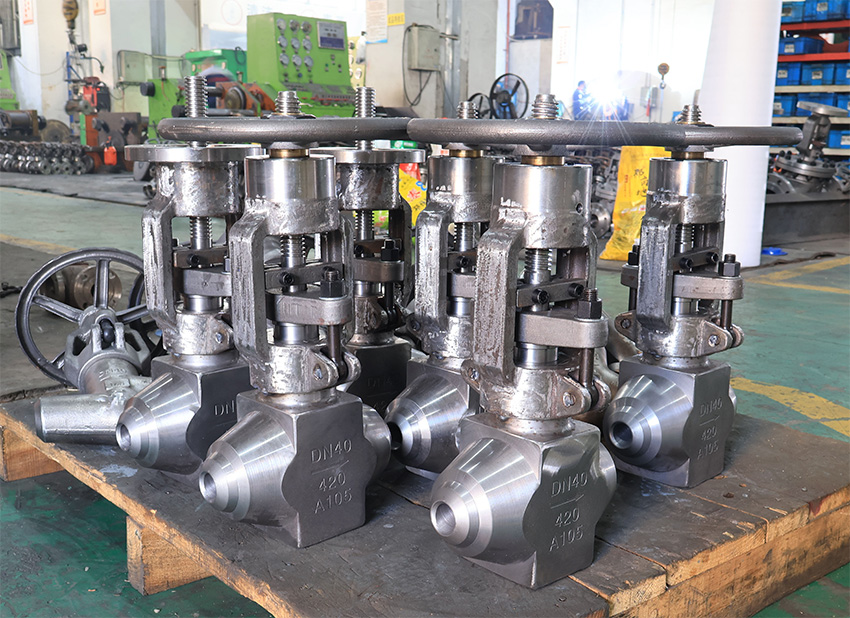
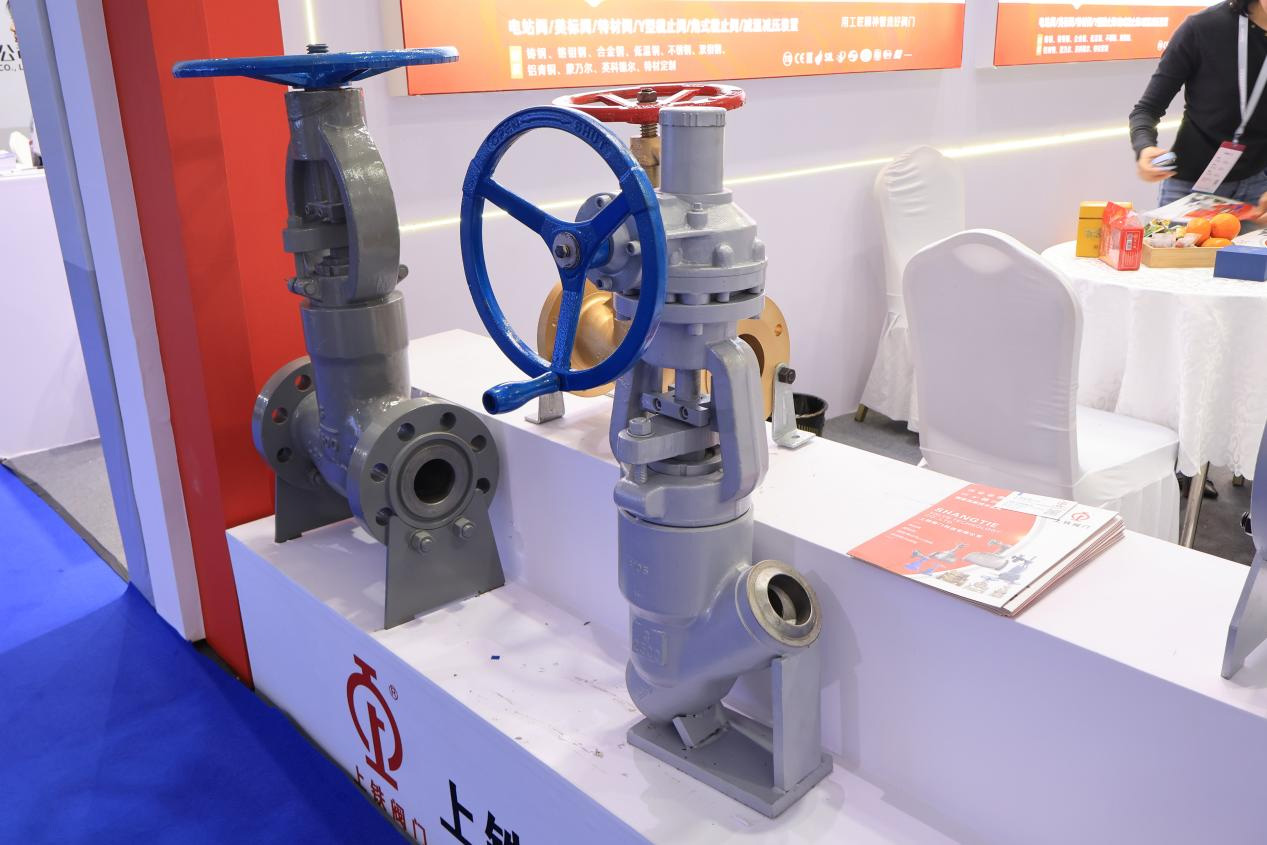
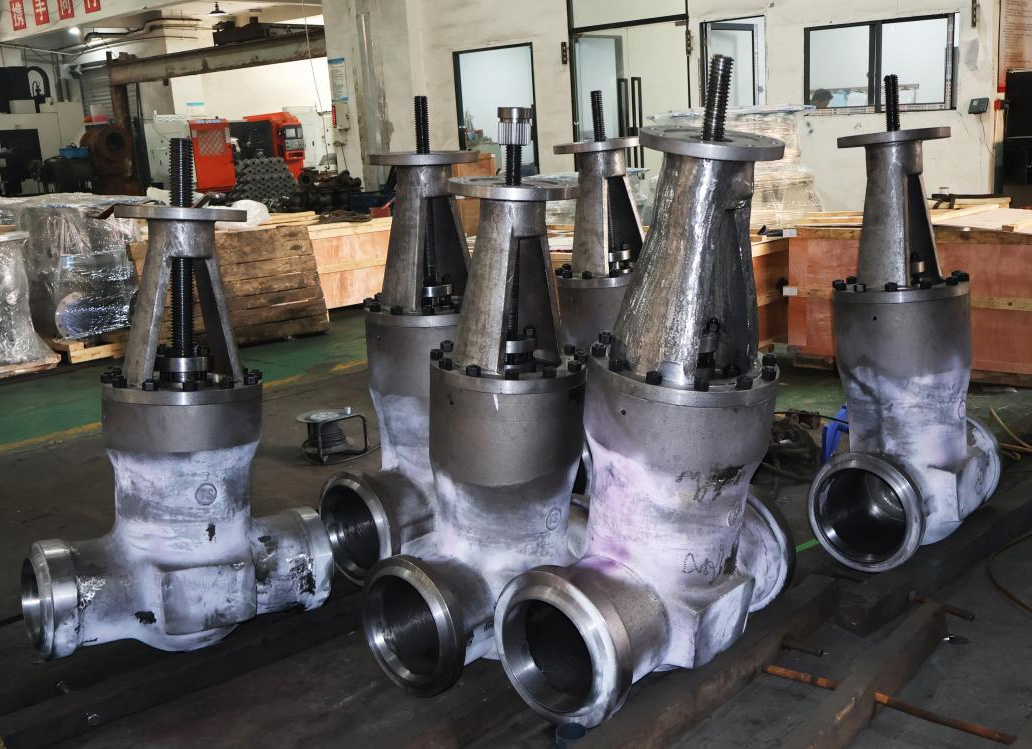
Installation and Maintenance Tips for Power Plant Valves
October 02, 2026
Power plant valves are essential components in steam, water, cooling, fuel, and other process systems. They control, isolate, regulate, and direct the flow of fluids under demanding operating conditions. Because power plant valves may operate under high pressure, high temperature, and frequent cycling, proper installation and regular maintenance are critical for safe and reliable plant operation.
From gate valves and globe valves to check valves and pressure-sealed valves, each valve requires appropriate installation procedures and maintenance practices. The following guide provides practical tips for installing and maintaining power plant valves to improve service life, reduce leakage, and minimize unexpected shutdowns.
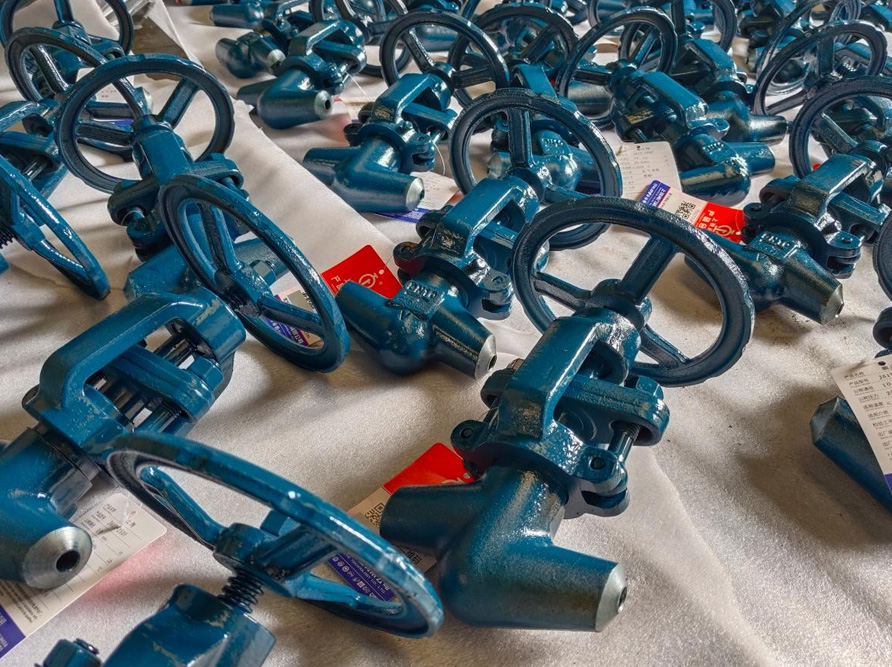
1. Inspect the Valve Before Installation
Before installing a power plant valve, conduct a careful inspection. Check the valve body, bonnet, flange or welding ends, stem, handwheel, actuator, and other components for visible damage.
The valve identification plate should also be checked against the purchase order and technical specifications. Confirm important parameters such as:
· Valve type
· Nominal size
· Pressure class
· Body and trim materials
· Connection type
· Flow direction
· Operating method
· Applicable design standards
For valves supplied with protective covers, remove the covers only immediately before installation when possible. Make sure the internal passage is clean and free from dust, metal particles, welding slag, and other foreign materials.
2. Clean and Prepare the Pipeline
Pipeline cleanliness is particularly important for power plant valve installation. Foreign particles inside the pipeline can damage sealing surfaces, prevent the valve from closing completely, and accelerate wear.
Before connecting the valve, inspect the pipeline and remove debris. For welded pipelines, make sure welding slag and metal particles are thoroughly cleaned.
The pipeline should also be properly aligned. Avoid using the valve to correct pipe misalignment. Excessive external stress can deform the valve body or cause problems with sealing performance.
For flanged valves, the flange faces should be clean, parallel, and properly aligned. Use the correct gasket according to the system's pressure, temperature, and medium requirements.
3. Install the Valve in the Correct Position
Valve installation position should follow the manufacturer's instructions and the requirements of the piping system.
For valves with a specified flow direction, such as many globe valves and check valves, install the valve according to the arrow or flow-direction marking on the body.
Gate valves are generally used as isolation valves and should be installed so that the stem and operating mechanism can be accessed easily. Globe valves should also be installed according to their designed flow direction to ensure proper performance.
Check valves require particular attention because incorrect installation can prevent the valve from operating correctly. The arrow on the valve body should correspond with the actual fluid flow direction.
In power plants, adequate space should also be reserved around the valve for inspection, operation, maintenance, and possible component replacement.
4. Pay Attention to Welding and Bolting
For butt-weld or socket-weld power plant valves, welding should be performed by qualified personnel using an appropriate welding procedure.
The valve should be protected from excessive heat during welding. Depending on the valve design and material, overheating may affect sealing components or internal parts. After welding, the connection should be inspected according to the applicable quality requirements.
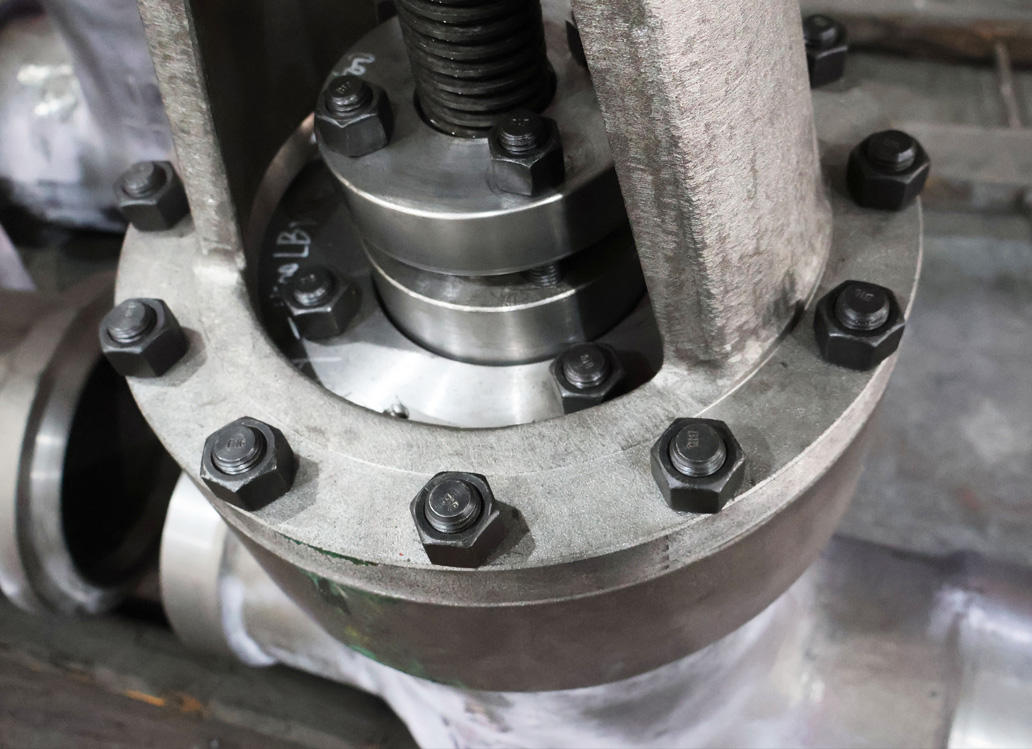
For flanged valves, bolts should be tightened gradually and evenly using an appropriate sequence. Uneven bolt tightening can result in gasket damage, flange deformation, or leakage.
Do not use excessive force when connecting or tightening a valve. Proper torque is important for maintaining long-term sealing performance.
5. Check Valve Operation Before Commissioning
After installation, the valve should be operated carefully before the system enters service.
For manual valves, check whether the handwheel and stem move smoothly. Do not use extension tools or excessive force unless specifically permitted by the manufacturer.
For actuated valves, verify the actuator settings, opening and closing direction, limit switches, control signals, and related equipment.
For gate valves, avoid using the valve as a throttling device unless its design specifically permits such operation. Prolonged throttling can cause unnecessary wear and damage to the sealing surfaces.
Globe valves, on the other hand, are commonly used where flow regulation is required, but their operating conditions should remain within the manufacturer's specified limits.
6. Inspect Valves Regularly During Operation
Regular inspection is one of the most effective ways to prevent unexpected valve failure.
During routine plant operation, maintenance personnel should check for:
· External leakage
· Abnormal noise or vibration
· Stem damage
· Corrosion
· Packing leakage
· Flange leakage
· Abnormal operating torque
· Actuator problems
· Unusual temperature changes
For high-temperature and high-pressure systems, even a small amount of leakage should be taken seriously. Early detection can prevent a minor problem from developing into a major equipment failure.
7. Maintain Valve Packing and Sealing Components
Valve packing is an important part of preventing leakage around the stem. Over time, packing may become worn, hardened, or damaged due to temperature, pressure, and repeated operation.
If minor packing leakage occurs, appropriate adjustment may sometimes restore sealing performance. However, excessive tightening should be avoided because it can increase stem friction and make the valve difficult to operate.
When packing replacement is required, use a packing material compatible with the operating medium, temperature, and pressure.
For valves with soft seats, metal seats, pressure-sealed bonnets, or special sealing structures, maintenance should follow the manufacturer's recommended procedures.
8. Lubricate Moving Components Properly
Some valve components require lubrication to maintain smooth operation. Depending on the valve design, lubrication may be required for the stem, stem nut, bearings, gearbox, or actuator components.
However, lubrication should not be performed indiscriminately. The lubricant must be compatible with the valve materials and operating conditions.
For example, lubricants used in high-temperature applications need to maintain suitable performance under elevated temperatures. Always follow the valve manufacturer's maintenance recommendations.
9. Monitor High-Pressure and High-Temperature Valves Carefully
Power station valves used in steam and high-pressure systems require additional attention. Temperature changes, pressure fluctuations, thermal expansion, and repeated operation can influence valve performance.
Pressure-sealed gate valves and globe valves, for example, are commonly designed for demanding high-pressure applications. Their sealing systems should be inspected according to the manufacturer's recommended maintenance schedule.
Before maintenance, the relevant pipeline must be properly isolated and depressurized. High-temperature fluids and pressurized steam can create serious safety hazards, so maintenance should never begin until safe operating conditions have been confirmed.
10. Keep Maintenance Records
A well-organized maintenance record can help plant operators identify developing problems and plan preventive maintenance.
Records should include:
· Installation date
· Valve model and specifications
· Inspection results
· Leakage observations
· Repair history
· Packing replacement
· Seat or trim replacement
· Actuator maintenance
· Lubrication records
· Pressure or functional test results
These records help maintenance teams understand the valve's operating history and determine when inspection or replacement may be necessary.
Proper installation and maintenance are essential for maximizing the reliability and service life of power plant valves. Before installation, valves and pipelines should be carefully inspected, cleaned, and correctly aligned. During installation, attention should be given to flow direction, welding, bolting, gaskets, and operating accessibility.
After commissioning, regular inspection should focus on leakage, corrosion, packing condition, operating torque, actuator performance, and abnormal vibration or noise. Special attention is required for valves operating under high pressure and high temperature.
By combining correct installation procedures with systematic preventive maintenance, power plants can reduce valve failures, improve system reliability, minimize unplanned downtime, and maintain safer operating conditions. For critical applications, selecting valves designed and manufactured according to the applicable industry standards and operating requirements is equally important.
NEXT: Pressure Sealed Valves for Modern Power Plant Applications
PREV: End