Thermal-deformation-related Seal Failure of High-temperature Power-station Valves
September 12, 2026
High-temperature power station valves are core control equipment for coal-fired thermal power steam systems, long-term serving under 450℃–540℃ superheated steam and 150LB–2500LB extreme pressure conditions. Among all common valve failures in thermal power plants, thermal deformation-related seal failure is the most hidden, highest-frequency, and most harmful defect. Different from ordinary erosion and corrosion leakage, this failure is caused by inconsistent thermal expansion, thermal stress fatigue and structural clearance deviation, which gradually leads to seal surface mismatch, insufficient specific pressure and permanent internal leakage.
As a professional manufacturer of high-temperature and high-pressure power station valves, Shangtie Valve deeply analyzes the thermal deformation sealing failure mechanism of steam valves, summarizes on-site operation cases, and provides targeted prevention solutions and high-reliability valve selection guidance for thermal power projects.
1. Core Mechanism of Thermal Deformation Seal Failure
Power station valves undergo frequent temperature rise and fall, continuous thermal cycling and steam scouring during peak shaving and unit start-stop. Thermal deformation sealing failure mainly includes three technical root causes.
1.1 Inconsistent Thermal Expansion Coefficient of Structural Components
Valve body, valve core, valve stem and sealing seat adopt different metal materials. Under ultra-high temperature steam environment, each component expands at different rates. The valve bore expands radially, while the wedge or disc deforms irregularly, resulting in angle deviation and fit clearance change. Cold-state precision sealing cannot match hot-state deformation, causing micro gaps and steam leakage.
1.2 Thermal Stress Cycling and Thermal Fatigue Deformation
Frequent unit load switching produces repeated heating and cooling impact. The internal and external temperature gradient of the valve forms alternating tensile and compressive stress. Long-term thermal fatigue will cause micro deformation and micro cracks on the metal hard seal surface, damaging the original precise sealing profile and leading to gradual seal failure.
1.3 Insufficient Reserved Thermal Clearance & Structural Design Defects
Many ordinary power station valves reserve zero or too small cold clearance during design. After high-temperature expansion, the sealing pair is over-compressed, resulting in extrusion deformation, seat offset and stuck torque surge. After repeated hot and cold alternation, the sealing surface produces permanent plastic deformation, forming non-repairable internal leakage.
2. Typical Manifestations of Thermal Deformation Seal Failure
Intermittent hot-state leakage: The valve is well sealed at room temperature, but leaks obviously after heating up, which is the typical feature of thermal deformation mismatch.
Increased operating torque: Thermal expansion causes tight friction between sealing pairs, resulting in heavy switching and even jamming.
Gradually aggravated internal leakage: Long-term thermal fatigue damage makes the sealing gap larger and larger, affecting steam pressure regulation accuracy.
Backseat sealing failure: Thermal displacement of the valve stem leads to backseat misalignment and steam leakage from the packing position.
3. High-risk Valve Types Prone to Thermal Deformation Leakage
In actual thermal power operation, the following high-temperature pipeline valves are most susceptible to thermal deformation seal failure:
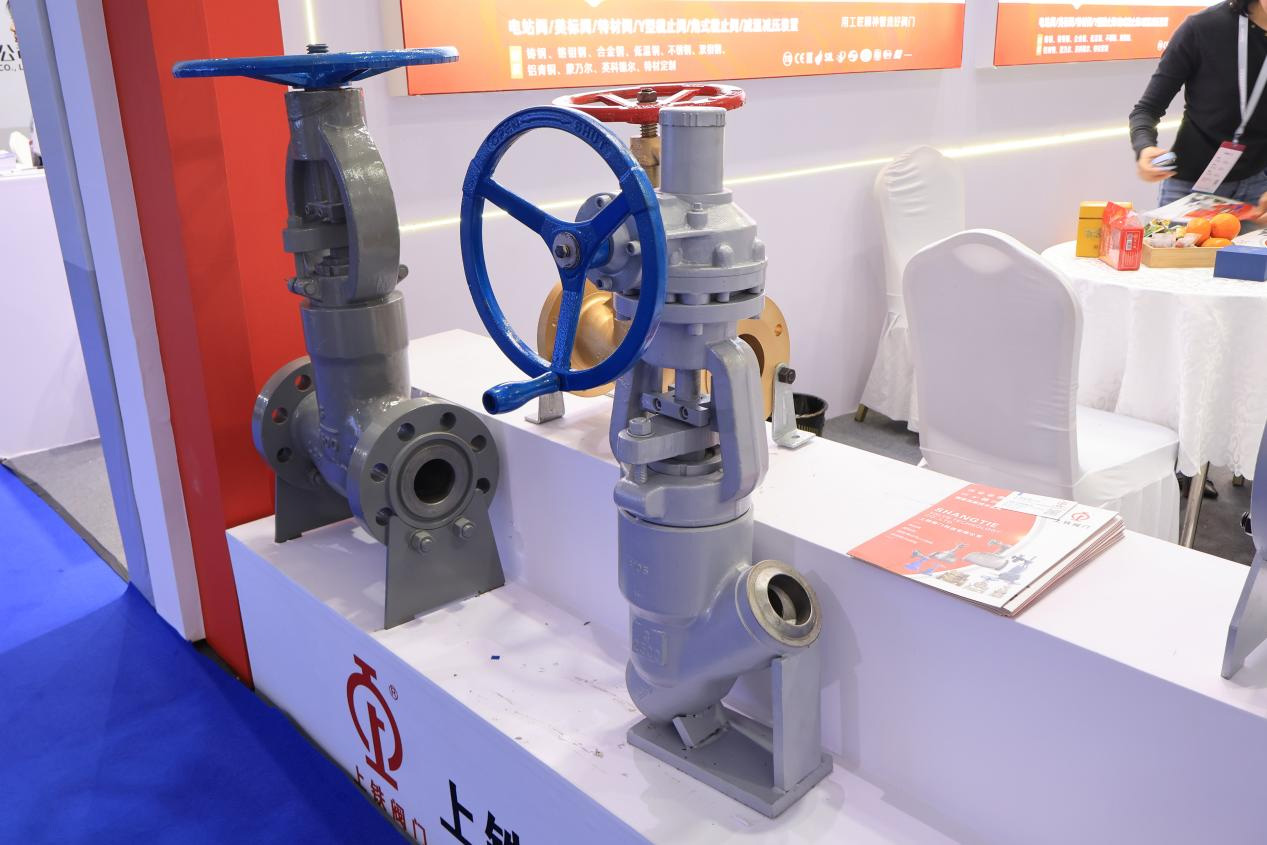
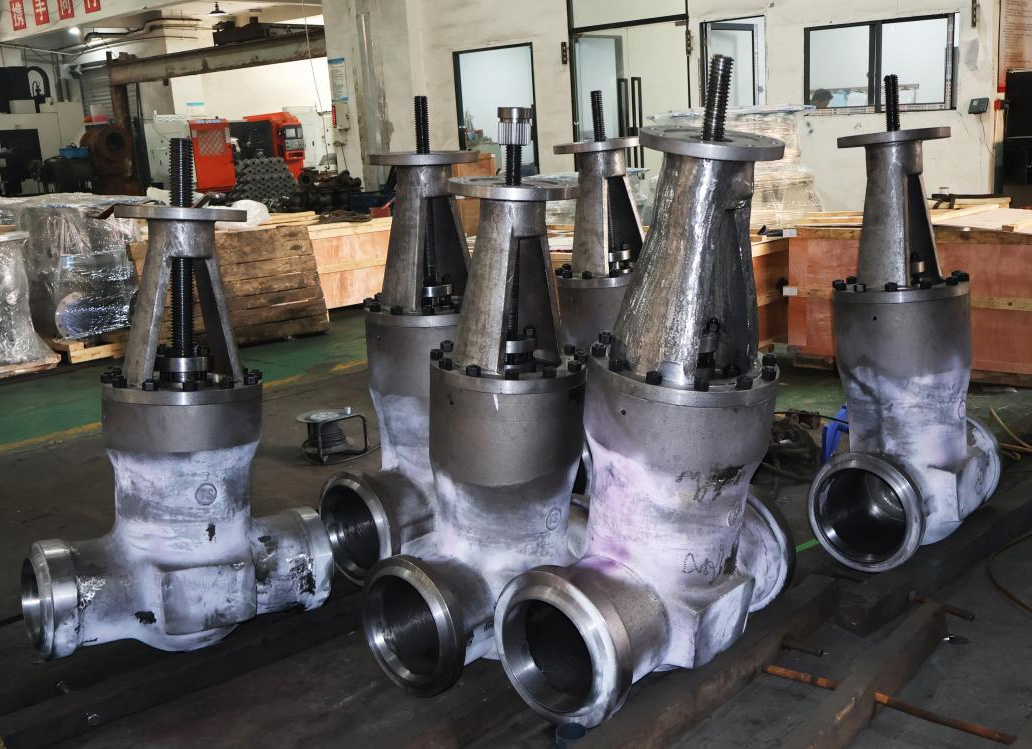
High-temperature forged steel gate valves for main steam pipelines
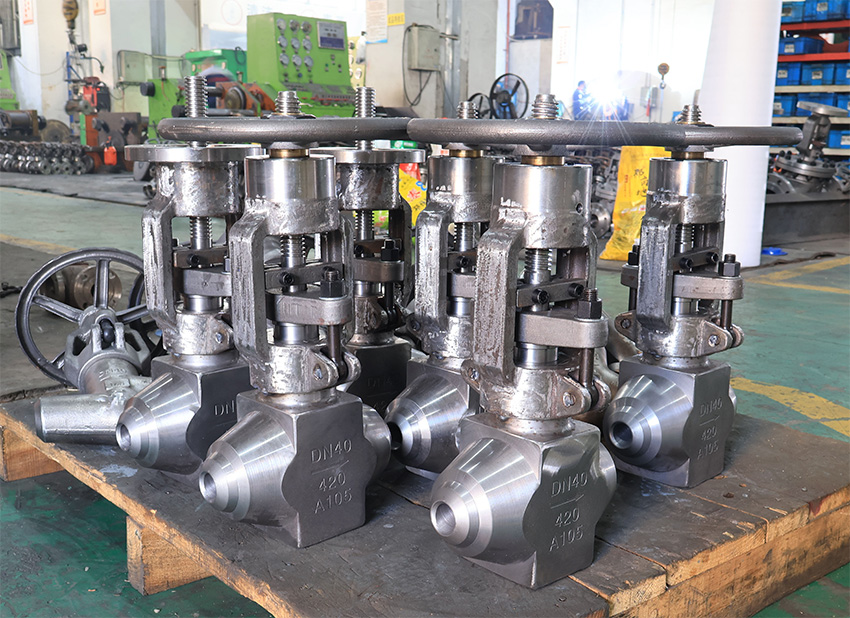
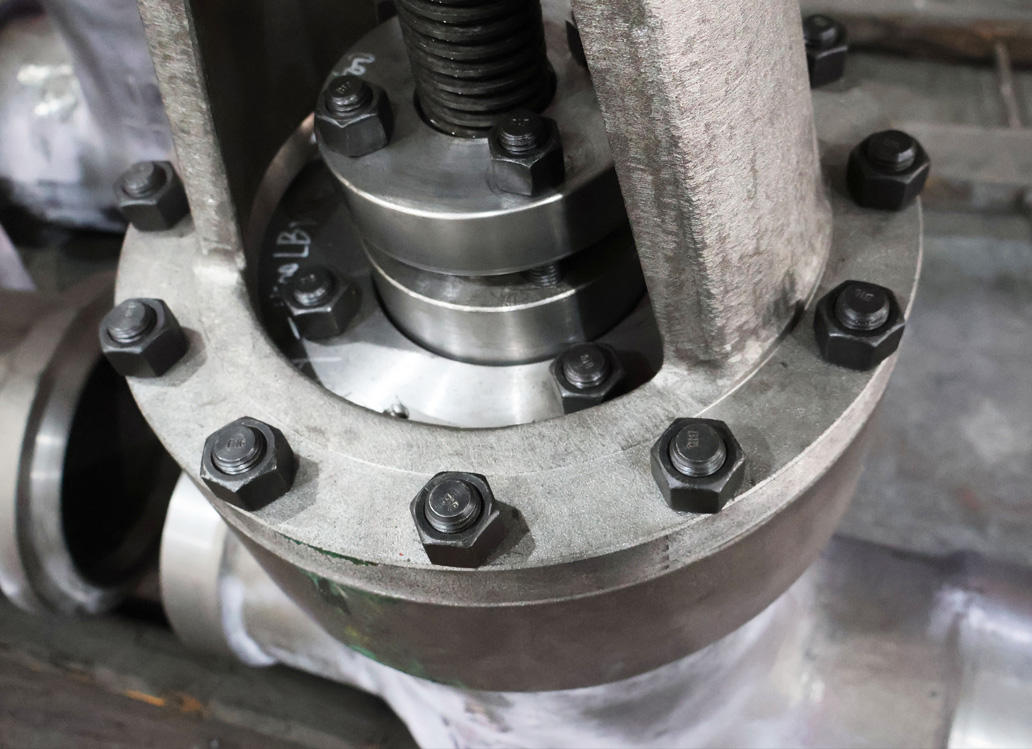
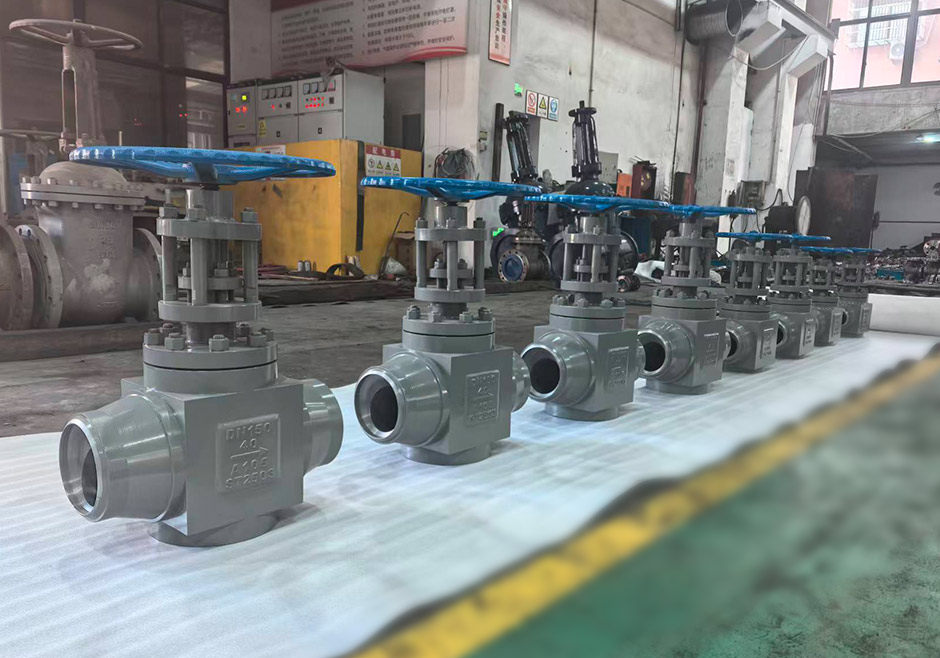
Pressure-sealed bonnet power station globe valves for steam regulation
High-pressure steam drain valves and bypass valves
Metal hard seal butterfly valves and ball valves for high-temperature flue gas and auxiliary steam systems
Shangtie Valve optimizes the thermal deformation resistance structure for the above hot-state vulnerable valves, effectively solving the industry pain point of hot-state leakage of ordinary power station valves.
4. Professional Solutions to Avoid Thermal Deformation Seal Failure
4.1 Optimized Material Matching & Heat Treatment
Shangtie Valve high-temperature power station valves adopt Cr-Mo-V heat-resistant forged steel integral forging technology. The whole valve body undergoes high-temperature tempering and stress relief treatment, which greatly reduces thermal expansion difference and thermal residual stress, improving overall thermal stability.
4.2 Precision Thermal Expansion Clearance Design
Different from ordinary valves with single cold clearance design, Shangtie Valve reserves graded thermal expansion clearance according to 540℃ extreme working conditions. It ensures tight sealing under hot state without extrusion deformation, perfectly solving the contradiction between cold-state tightness and hot-state expansion tolerance.
4.3 Stellite Alloy Hard Seal Surfacing
The sealing surface is overlaid with Stellite alloy, featuring high temperature resistance, anti-fatigue and anti-scuffing performance. It maintains stable sealing precision under long-term thermal cycling and avoids micro deformation and crack failure of ordinary stainless steel sealing surfaces.
4.4 Strict Factory Thermal Simulation Test
All Shangtie Valve high-temperature steam valves pass thermal cycle simulation test and hot-state sealing test before delivery. Eliminate hidden dangers of hot-state leakage caused by structural deformation from the source.
5. Operation and Maintenance Suggestions
Avoid forced closing under high-temperature differential pressure to prevent irreversible extrusion deformation of sealing pairs.
Conduct regular hot-state tightness inspection for main steam valves.
Replace ordinary cast steel valves with heat-resistant forged steel power station valves for long-term high-temperature service pipelines.
Conclusion
Thermal deformation seal failure is the primary hidden danger of high-temperature steam valves in coal-fired power plants, caused by material expansion difference, thermal fatigue and unreasonable structural clearance. Relying on mature thermal deformation resistance design and strict high-temperature simulation testing, Shangtie Valve provides high-stability power station gate valves, globe valves and high-pressure steam valves for global thermal power projects, completely solving hot-state leakage and thermal stuck failures and ensuring long-term safe operation of power generation units.
If you need customized high-temperature anti-deformation power station valve solutions, welcome to contact Shangtie Valve for technical support and free quotation.