Why Does Power-station Valve Get Stuck? Maintenance Tips for High-temp Steam Valves
September 07, 2026
High-temperature high-pressure power station valves are the core control equipment for thermal power main steam, feedwater, and flue gas desulfurization pipelines. During long-term 24/7 operation under 450℃–540℃ ultra-high temperature and 150LB–2500LB extreme pressure conditions, valve jamming (stuck failure) is one of the most common and dangerous faults in power plant daily operation. A stuck power station gate valve, globe valve or check valve will fail to open or close flexibly, cause pipeline pressure fluctuation, steam leakage, unit load reduction, and even trigger unplanned shutdown accidents.
As a professional manufacturer of high-temperature and high-pressure power station valves, Shangtie Valve summarizes years of on-site power plant service experience to analyze the root causes of high-temperature steam valve jamming, and delivers standardized, operable high-temp valve maintenance tips for thermal power enterprises, helping power users reduce valve failure rate and extend equipment service life.
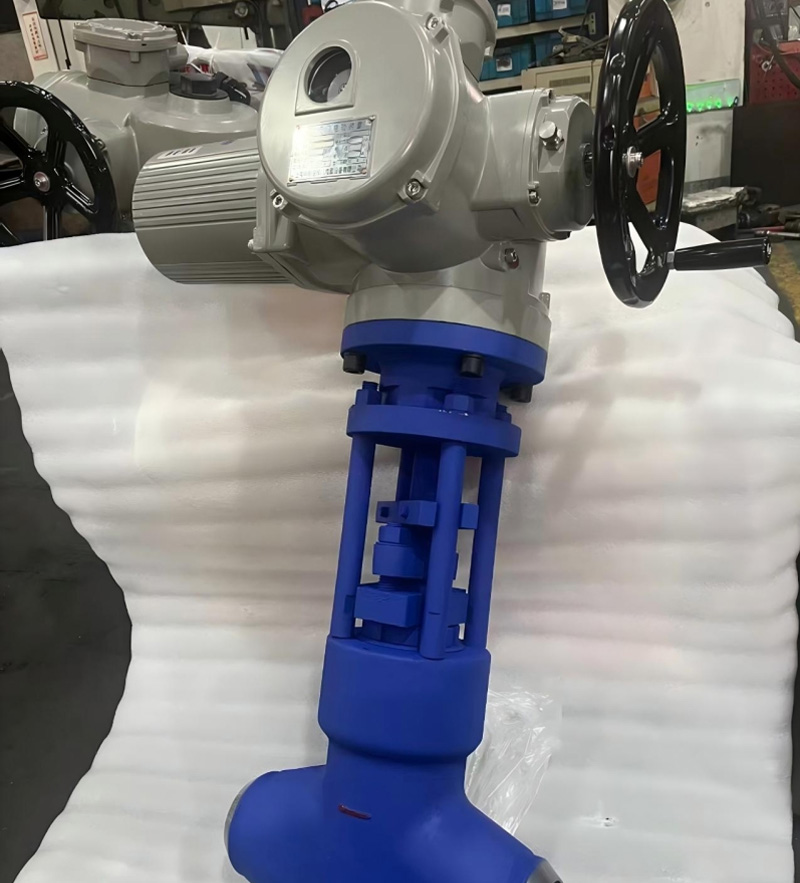
1. Main Causes of High-temperature Power Station Valve Stuck Failure
Different from ordinary industrial valves, power station steam valves work in continuous thermal cycling, steam scouring and high-pressure sealing environments. Valve jamming is mostly caused by thermal deformation, material fatigue, scaling corrosion and improper manual operation, mainly divided into the following five categories:
1.1 Thermal Locking & Differential Thermal Expansion
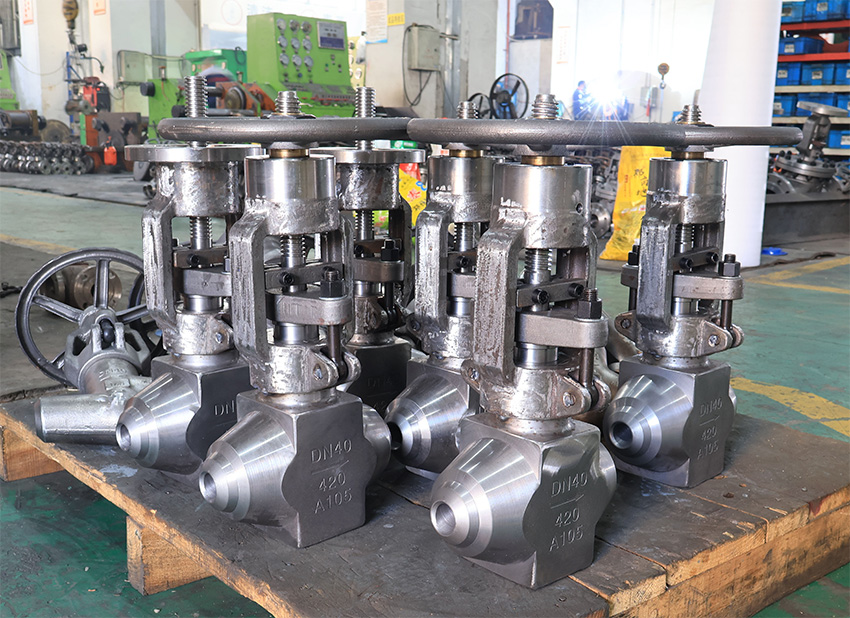
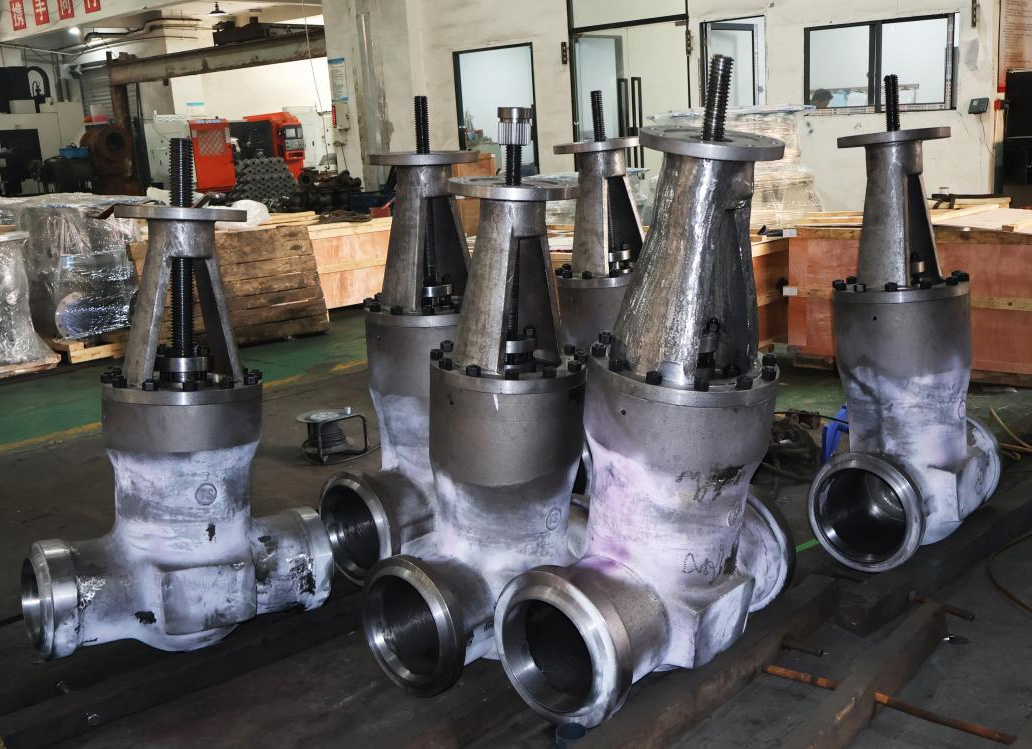
Thermal locking is the primary cause of steam valve sticking. Under ultra-high temperature steam conditions, the valve stem, packing box and valve body expand at inconsistent coefficients. The valve stem heats up and expands faster than the packing gland, resulting in over-compressed packing and stem locking. For conventional cast steel valves with low precision tolerance, thermal deformation will cause wedge offset and seal surface extrusion, making the valve unable to open or close after hot-state closing. Shangtie Valve high-temperature power station valves adopt Cr-Mo-V heat-resistant forged steel integral forging structure and reserved thermal expansion clearance, which effectively avoids thermal locking failure under frequent temperature rise and drop cycles.
1.2 Steam Scaling & Oxidation Sediment Accumulation
Long-term scouring of high-temperature superheated steam will produce iron oxide exfoliation (blue blush) and hard scale, which adheres to the valve stem, guide rail and sealing surface. Accumulated scale increases friction torque severely, causing slow valve action or complete jamming. This fault frequently occurs in main steam forged steel gate valves and drain valves that remain closed for a long time.
1.3 Improper Packing Compression & Lubrication Failure
Excessively tight packing compression increases stem friction resistance; while insufficient high-temperature lubrication under 500℃+ working conditions leads to dry friction and metal galling. Ordinary low-temperature grease will fail and carbonize rapidly in high-temperature steam environment, further aggravating stem abrasion and jamming.
1.4 Material Fatigue & Seal Surface Deformation
Power plant peak shaving brings frequent start-stop and thermal cycling impact. Ordinary valve materials are prone to local deformation and fatigue cracking after long-term alternating hot and cold load, resulting in mechanical clamping of internal moving parts. In contrast, Shangtie Valve high-pressure power station valves adopt overall heat treatment and Stellite alloy surfacing on sealing surfaces, improving thermal fatigue resistance and anti-scuffing performance.
1.5 Long-term Static Closure & Non-standard Operation
Long-term full closed static state makes the valve sealing surface tightly adsorbed under high pressure, forming vacuum adhesion and causing difficulty in opening. In addition, forced closing under high differential pressure and excessive torque operation will cause wedge displacement and internal mechanism dislocation, resulting in permanent jamming.
2. Professional High-temperature Steam Valve Maintenance & Anti-sticking Tips
Combined with power plant operation specifications and high-temperature valve structural characteristics, Shangtie Valve sorts out a complete set of daily maintenance, regular inspection and fault prevention schemes for power station steam valves, suitable for all high-temperature and high-pressure valves in thermal power systems.
2.1 Regular In-situ Valve Loosening & Freedom Test
For main steam gate valves, power station globe valves and drain valves that stay static for a long time, implement weekly micro-opening and closing freedom tests to eliminate scale adhesion and vacuum sealing adsorption. Strictly prohibit long-term static non-operation to prevent thermal locking and stuck failure.
2.2 High-temperature Special Lubrication & Packing Maintenance
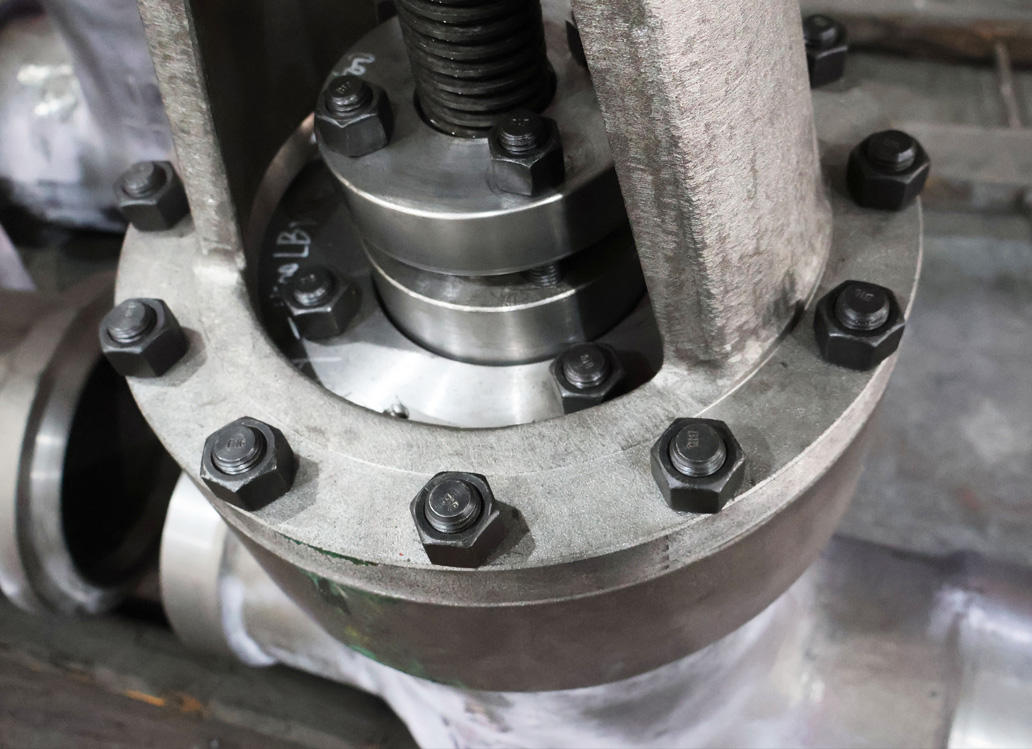
Replace high-temperature resistant molybdenum-based grease regularly for valve stems, adapting to 550℃ ultra-high temperature working conditions to avoid lubricant carbonization. Adjust packing compression reasonably: keep tightness uniform without excessive compression, ensure zero leakage under hot state while reducing stem running friction.
2.3 Regular Scale Cleaning & Pipeline Filter Protection
Arrange seasonal overhaul cleaning for steam valve internal scale and oxide exfoliation. Install pipeline filters at the front end of key steam valves to block impurities and reduce steam scouring deposition, effectively preventing jamming caused by scale accumulation.
2.4 Standard Hot-state Operation & Torque Control
Standardize hot-state opening and closing procedures: avoid forced closing under high pressure difference. Match electric and pneumatic actuators with rated torque reasonably to prevent internal part dislocation and mechanical jamming caused by over-torque operation.
2.5 Eliminate Hidden Dangers Through High-quality Valve Selection
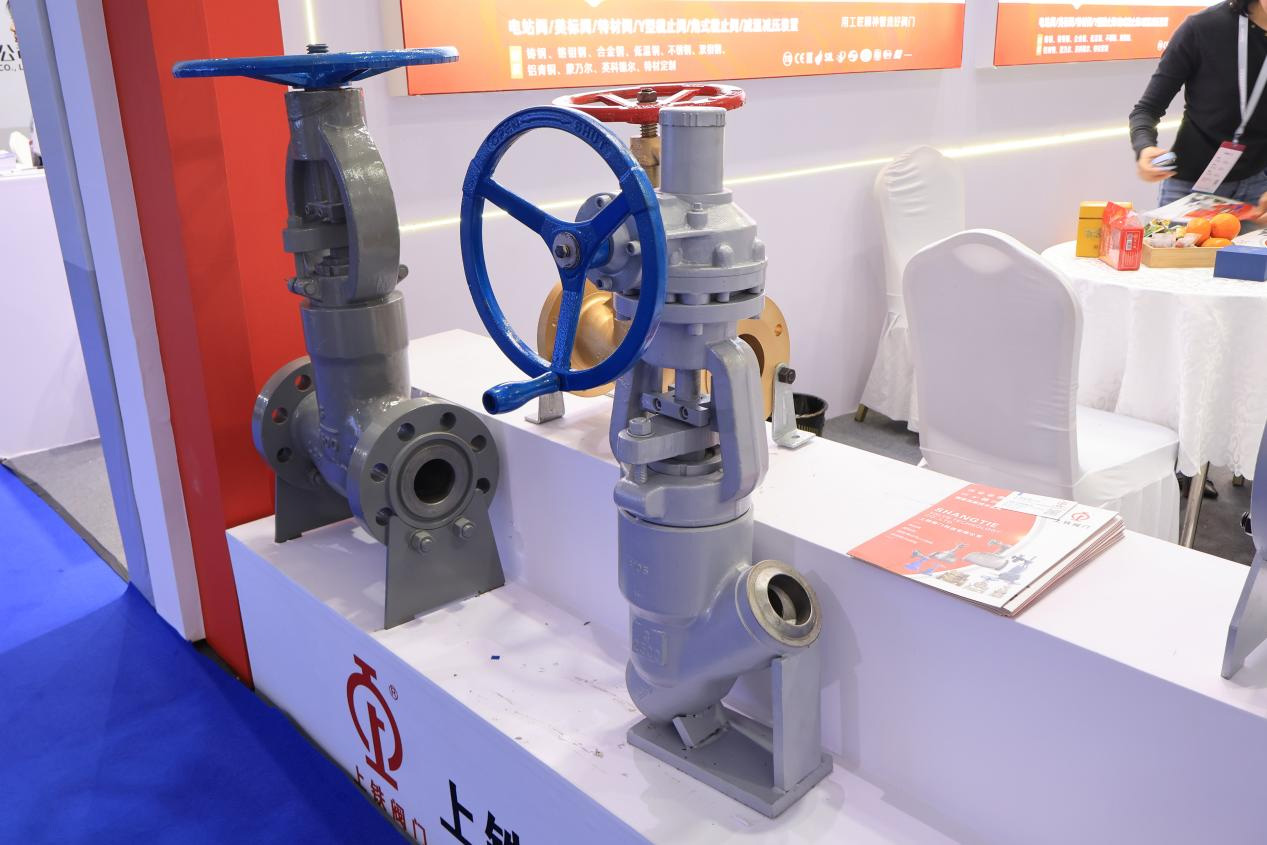
Fundamentally solve high-temperature jamming faults by upgrading valve quality. Shangtie Valve full-series high-temperature power station valves adopt Cr-Mo-V heat-resistant forged steel, flexible wedge design and precision thermal expansion clearance control, compliant with ASME B16.34 and API 602 standards. With excellent thermal deformation resistance and anti-galling performance, our valves greatly reduce stuck failure probability in long-term steam operation, which is the preferred stable supporting equipment for coal-fired power, combined cycle power and thermal power renovation projects.
3. The Hazards of Ignoring Steam Valve Maintenance
Neglecting daily maintenance of high-temperature steam valves will lead to frequent jamming failure, increased internal leakage rate, reduced regulation accuracy, and rising plant O&M costs. In severe cases, unadjustable steam pressure and flow will cause unit load fluctuation, pipeline vibration, and even safety accidents such as steam leakage and shutdown, seriously affecting the stable operation of the power generation system.
Conclusion
Power station valve jamming under high-temperature steam working conditions is mainly caused by thermal locking, scale accumulation, lubrication failure and non-standard operation. Scientific daily maintenance and standardized operation can effectively avoid most stuck faults and prolong the service life of high-pressure steam valves. As a reliable power station valve manufacturer with 20+ years of thermal power project experience, Shangtie Valve not only provides high-performance anti-jamming high-temperature power station gate valves, globe valves, check valves and forged steel valves, but also supports customers with professional valve operation guidance, maintenance training and full-life-cycle after-sales service.
If you encounter valve stuck failure, high-temperature deformation or steam leakage problems in your thermal power project, contact Shangtie Valve for professional technical support and customized solutions.